

What’s going on?
This car was known as “La Ferrarina” Well, it was a project in which Enzo Ferrari had a lot of faith, since for some time “El Commendattore” wanted to produce a small and more affordable sports car.
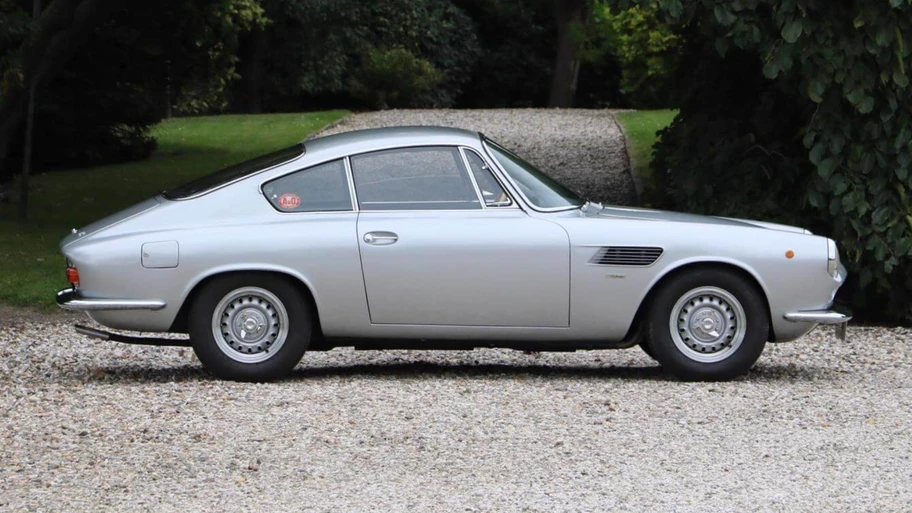
The bodywork was designed by a budding designer named Giorgetto Guigiaro who started working at the design house Bertone –Guigiaro later founded the Italdesing house– The engine and gearbox were designed and built in the house of Maranello by Giotto Bizzarrini.
The Ferrari company began the development of this “affordable” Gran Turismo at the end of the 1950s, building an example with a four-cylinder 850 cc, mounted on a Fiat 1200 Pininfarina chassis, later modified. In 1961 they presented an updated version of the Coupé version at the Turin Motor Show with the engine enlarged to 1032 cc and developing 95 HP., enough for a top speed of 180 km/h. The tubular chassis was perfected by Giotto Bizzarrini, who knew about the 850cc version of the car when he worked at Maranello.
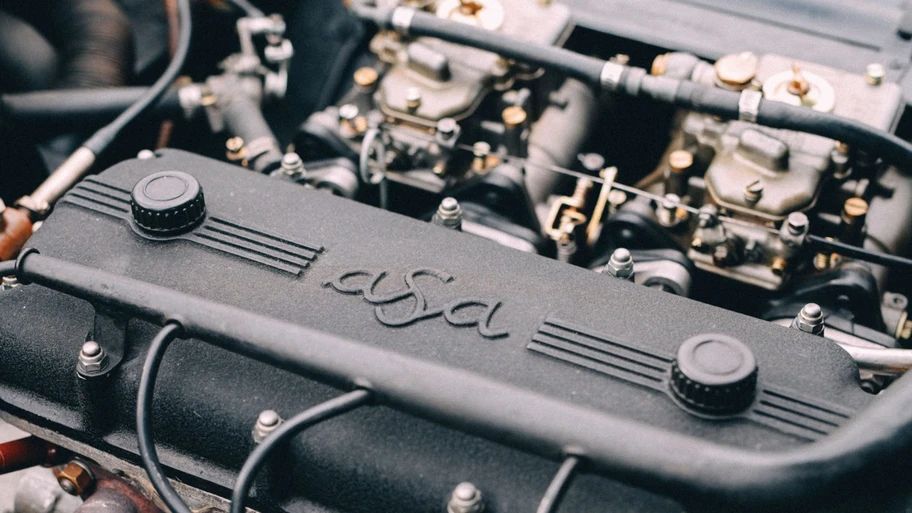
Unfortunately for those moments Enzo Ferrari had lost interest in the Ferrarina and stated that this car would not be built by the Ferrari company.
The project and design were sold to an influential Italian industrial family and the production of the “Mille” passed into the hands of the newly founded Autocostruzioni Società per Azioni (ASA) for which Giotto Bizzarrini continued with the development and final testing of the model.
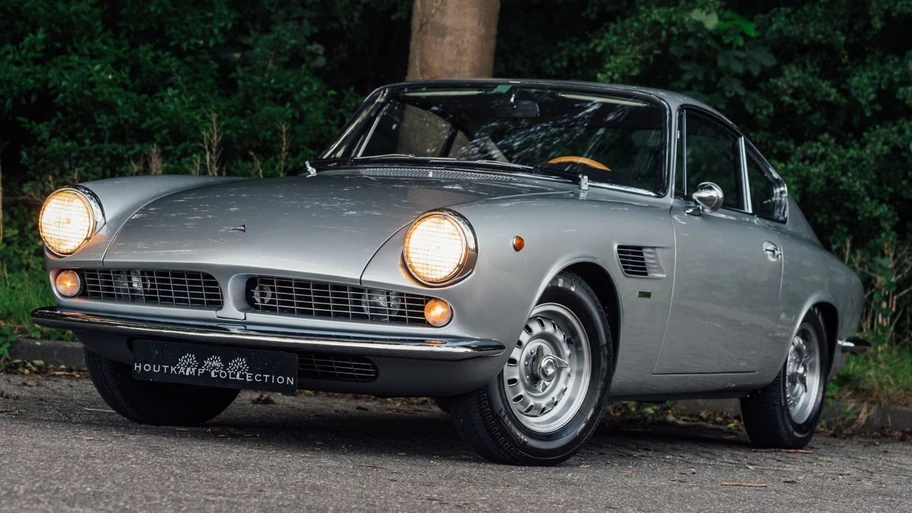
Based in Lambrate, on the outskirts of Milan, the factory was created by the De Nora family, who were chemical entrepreneurs, and was run by his son Niccoló, who was interested in starting an automotive business. As you read above, Ferrari had decided not to produce the small four-cylinder car that was once positioned as “La Ferrarina” to be the entrance to the mark of the Prancing Horse.
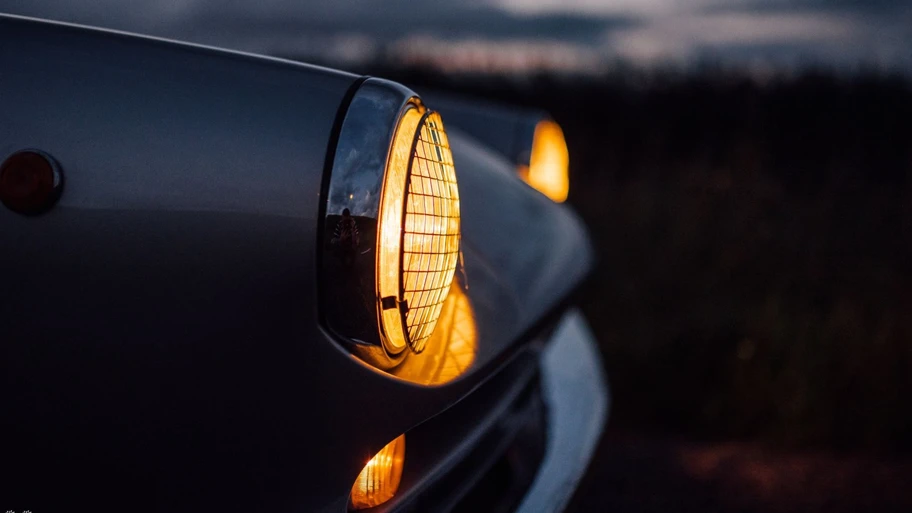
Only 101 cars were produced With the name ASA 1000GT in the period from 1961 to 1968, the mobility of the 1000 GT was carried out by a 4-cylinder engine and 1,032 cubic centimeters that delivered 95 horsepower. A convertible prototype with a fiberglass body was even created.
The ASA 1000 GT was not successful and the question arises: would it have been if it had been called Ferrari?
Today it is a highly valued, rare car and if you see one on the street, take a photo of it, since there are few left.

