

We live in a moment of complete transformation in the automotive world. Emissions regulations, increasingly restrictive, are limiting manufacturers. Now they focus all their efforts on electric or highly electrified models to be able to stick to the prohibition schedules. However, in many countries their sales are not advancing at the desired rate. In fact, it is estimated that by 2025 almost half of the emissions will continue to be from cars prior to 2014.
We have already talked about the high age of the fleet Spanish, something that also happens in other European countries. And that worries some organizations such as the European Association of Automobile Manufacturers (ACEA). They have been in charge of calculating which cars before 2014 will represent 60% of the total fleet in the European Union and will be responsible for 43% of NOx emissions by 2025. We are talking about vehicles that fall within the Euro 6 and earlier regulations.
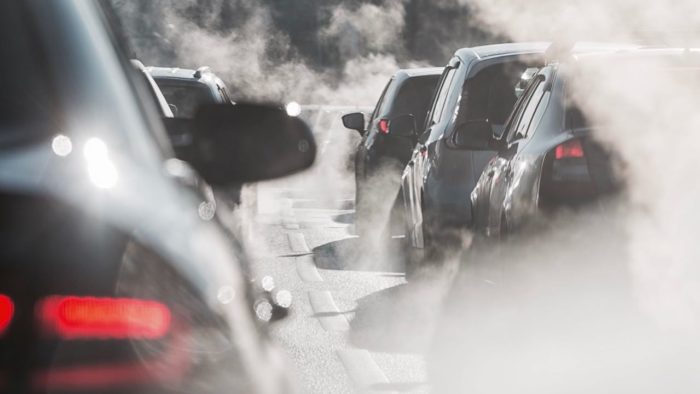
It is said that the impact of the Euro 7 regulations that are to come will be less. NOx emissions will not be reduced as much proportionally, so its implementation will have a marginal impact. At the same time, it is said that “a massive investment in Euro 7 would also divert significant financial and engineering resources away from battery and fuel cell electric technologies towards the internal combustion engine.” Clearly it is not something that interests to the big car manufacturers, despite the fact that some do intend to extend the life of these engines through synthetic fuels and other solutions.
The fact is that from ACEA they believe that a renewal of the car fleet must be carried out that are prior to Euro 6. Retiring those cars from before 2014 would contribute to substantially lower NOx emissions and also CO2 emissions. Although there begins the whiting that bites its tail, since full electrification is still not feasible for many users due to its high price or insufficient charging infrastructure. It is expected that by 2030 the total pollutant emissions has been reduced to almost halfbut it’s a long way to go.
Source: ACEA

