

 CDA
CDA
June 14, 2023
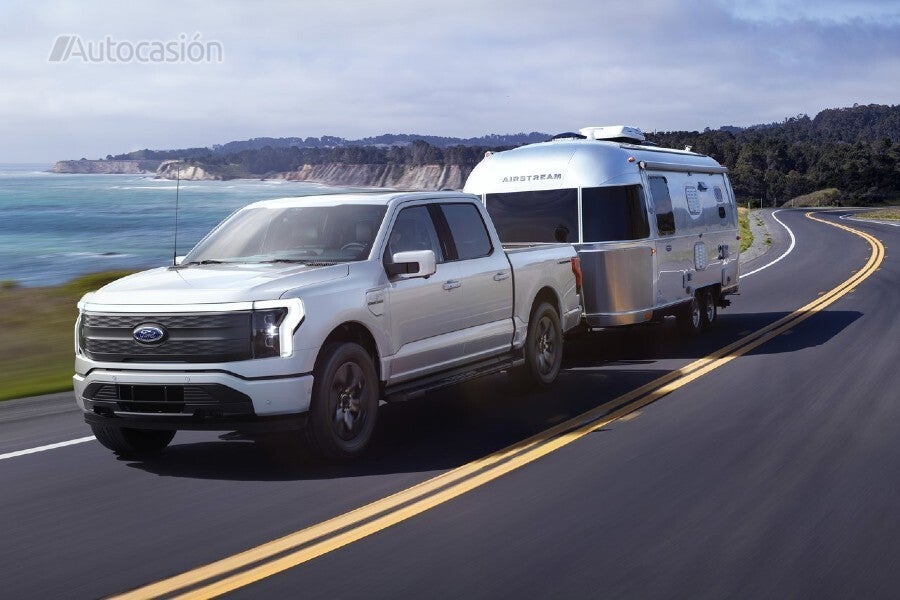
Experts in the United Kingdom are betting on taxing electric vehicles because of their greater weight, which causes more damage to the roads.
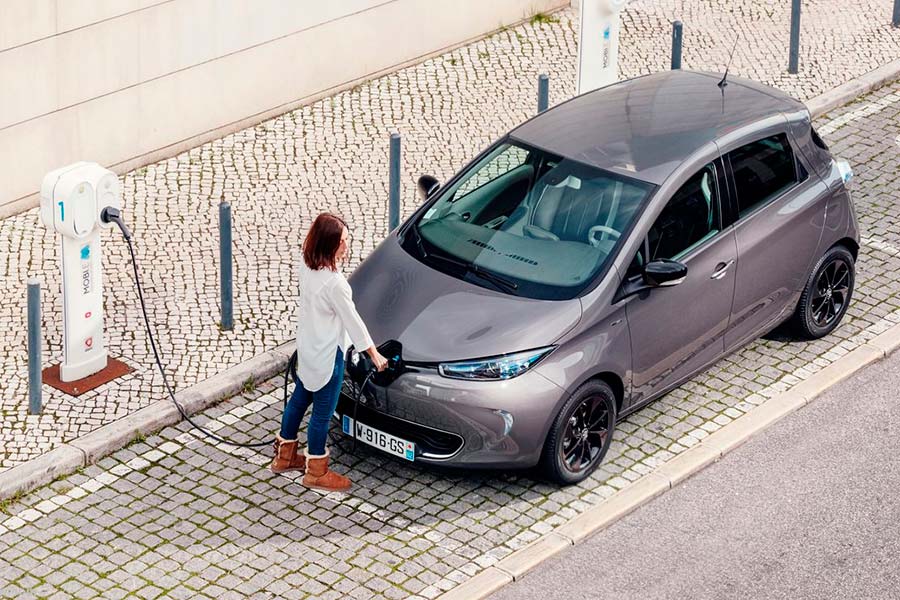
Many motorists have switched to electric cars out of a desire to protect the environment, others because they believe it is the future, and still others, let’s face it, because of the economic aspect.
Yes, at this time, the acquisition is more expensive, but refueling is cheaper (electricity is less expensive than fuel) and depending on the country there is a series of tax and tax advantages and benefits.
But this won’t last foreversince the gradual disappearance of the combustion car, which generates multiple income for the states through taxes (fuel, circulation, parking, etc.) is not being replaced by the rates provided by battery-powered cars.
They damage roads more, according to these British experts
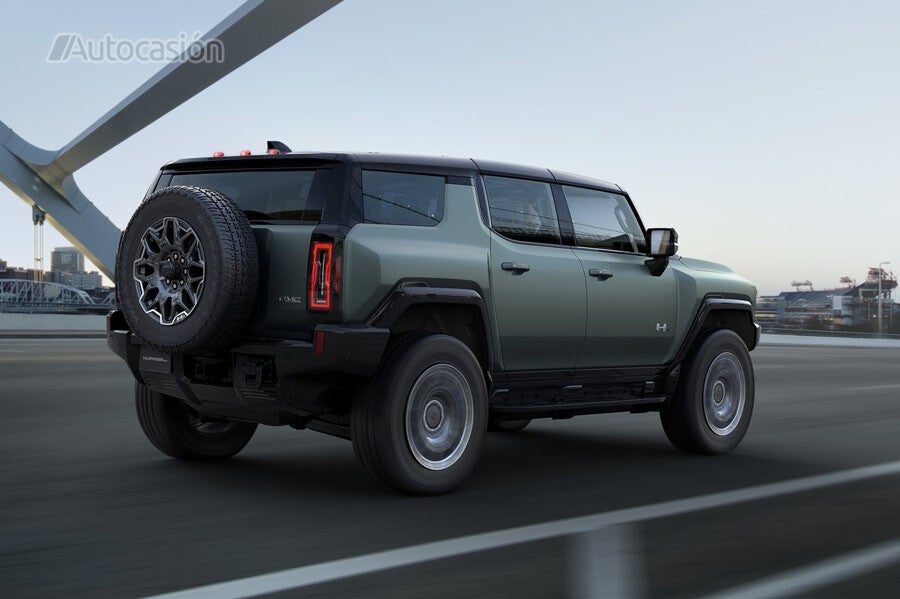
Thus, voices have already emerged that launch proposals to reverse this situation. The latest example is in the UK, where a group of conservative pundits have called for electric cars to be charged a pay-as-you-use taxsince they damage roads more due to their additional weight.
This is the Center for Policy Studies (CPS), which has close ties to the British Government, which in a statement has pointed out that the longer it takes to charge battery-powered cars with this tax, the more “politically difficult” the decision will be to do it.
In its report, the CPS notes that state accounts are facing a budget hole of 25,000 million pounds sterling (just over 29,000 million euros) in the near future as fuel tax revenues decline.
Thus, the British government is advised that it should charging electric car owners per mile driven and later do the same with combustion cars. The CPS argues that ministers should commit to reinvesting profits in improving the road network.
Plug-in hybrids: will they have an additional tax?
“By its nature, electric vehicles tend to be significantly heavier than their gasoline or diesel equivalents, which means they will cause more damage to roads over time,” the report states. “We believe that the rate per kilometer should vary according to the weight of the vehicle.”
“This, of course, reflects the current system, in which heavier cars consume more fuel and, therefore, they pay more taxes on the fuel”, he concludes.

