

He hydrogen has always been latent in the automotive sector. For many years this alternative fuel has been talked about as something viable for the future, but the truth is that it has not yet arrived. Or so it seemed until recently, as some manufacturers are making a firm commitment to technology. Just see that the BMW iX5 Hydrogen They are already on the open road with the aim of completing their development phase after four years working on this copy.
It was in 2019 when we first heard of the BMW i Hydrogen Next, a prototype that sought to explore the fuel cell benefits in the sector. The truth is that they must have found it interesting and they announced its production, albeit in a limited way. This is precisely what the German firm is now announcing, a pilot fleet of the model that is made up of less than 100 vehicles. They will serve as an essay and also to continue obtaining valuable information from these specimens.
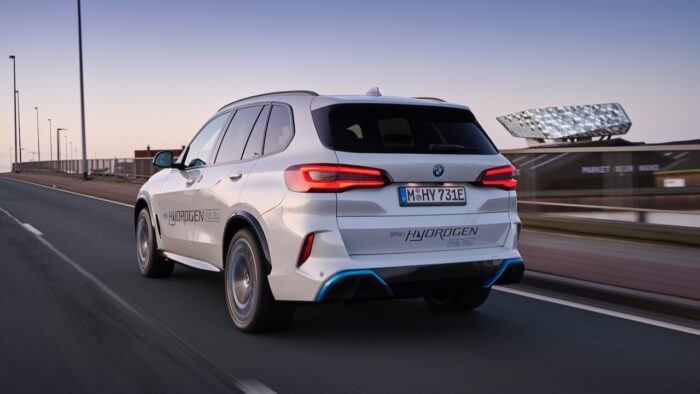
They will be used by specialized media and by various target groups to see what they think of the technology. Then another phase will follow with the pilot vehicles in real conditions to gather more information. In short, everything you need to check the BMW iX5 Hydrogen has everything you need to succeed. Its propulsion system consists of a fuel cell (which has been purchased from Toyota), with a high-speed compressor with a turbine and a high-voltage refrigerant pump. It is combined with fifth-generation BMW eDrive technology.
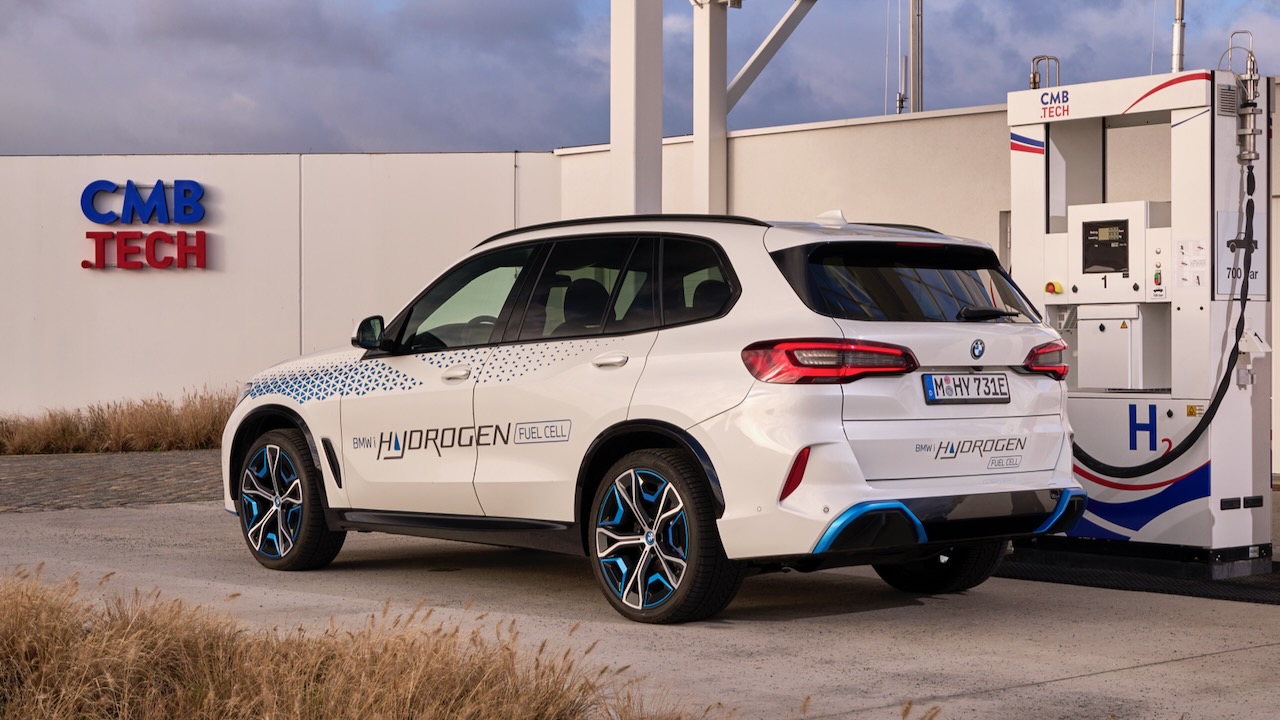
In this case, the electric motor, transmission and power electronics are on the rear axle and everything is powered by a lithium-ion battery that allows you to have a autonomy of 504 kilometers. The hydrogen is stored in two 700 bar tanks made of carbon fiber reinforced plastic (CFRP) with a total capacity about 6 kg and refueling takes between three and four minutes. Performance is also very good in this BMW iX5 Hydrogen judging by its preliminary data.
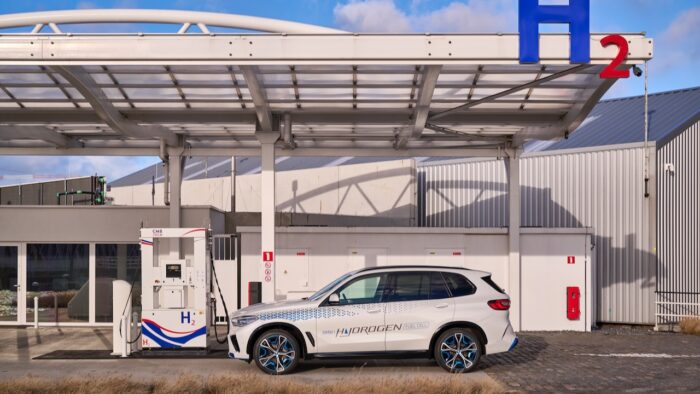
This SUV delivers a power of 401 hp and promises to do a 0 to 100 km/h in less than 6 seconds, in addition to a top speed of more than 180 km/h. This vehicle wants to add its grain of sand so that BMW reduces its CO2 emissions by 40% by 2030 (compared to 2019). They are on the right track with the sale of more than 215,000 electric cars in 2022although they expect that number to continue to grow and that these vehicles represent more than half of their total sales for the next decade.
Photo gallery:
 1/144Photos
