

Born in 1976 and six years after the debut of the current generation, theFord Fiestawill cease to existbeing indirectly replaced by an electric variant of the Puma built in Craiova, Romania, when it ends its life cycle in 2023. Fortunately, the Fiesta ST will remain in the model line-up for another year as the high-performance flagship in small dimensions. .
In an official statement, the president of Ford Europe, Martin Sandersstates: “At Ford Europe we are accelerating our efforts to commit to electrification with our all-electric passenger cars by 2030and all of our lineup by 2035. As we prepare for the transition to an electric future, we will discontinue production of the S-Max and Galaxy in Valencia, Spain, in April 2023 and production of the Fiesta in Cologne, Germany, at end of June 2023.
“We will introduce three exciting new electric passenger vehicles and four new electric commercial vehicles across Europe by 2024. We plan to sell more than 600,000 electric vehicles in the region by 2026, while production of passenger cars in the Cologne Electrification Center it will reach 1.2 million vehicles in a period of six years”, adds the manager. In any case, the orders will remain open until the remaining production is exhausted before summer.
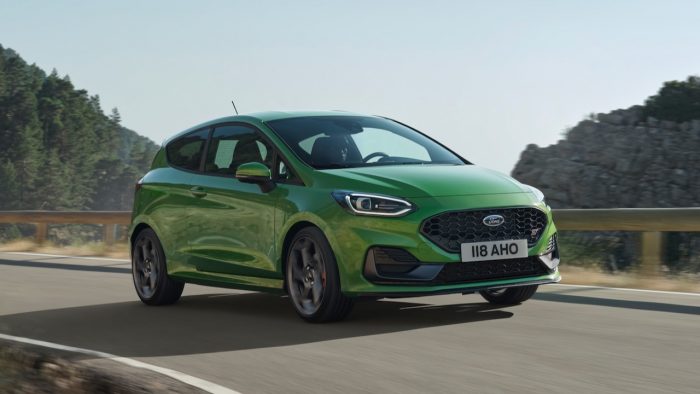
Ford is undergoing a major transition to an all-electric lineup and confirmed in March this year that the Fiesta’s big brother, the Puma, will be available as 100% electric by 2024. This is one of three mentions of new electric passenger cars in Sander’s statement, along with two new SUVs, a more practical model and a crossover sportier-oriented, both based on the MEB platform of the Volkswagen Group as part of the alliance between the two companies.
It is understood that the electric Puma will share its components, including elements of its platform, with electric versions of the Transit Courier and Tourneo Courier (both being part of Ford’s electric commercial vehicle push in Europe) to maintain an affordable price. However, while the gasoline-burning Puma shares its “Global B Small Car” platform with the Fiesta, there are no plans for an electric Fiesta on this new, more affordable platform. a pity
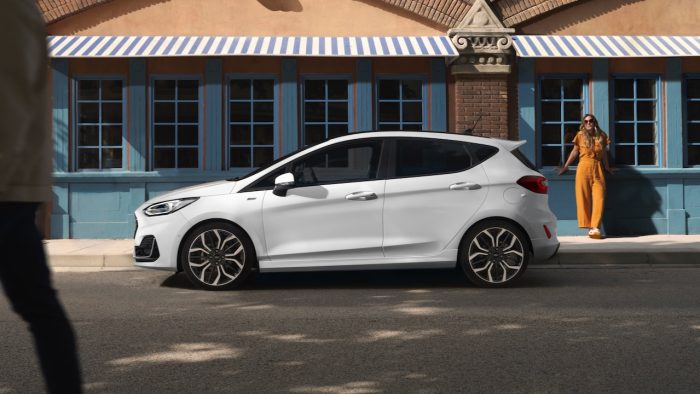
Although, in theory, this would help keep down the cost of electrifying Ford’s small cars, a problem that many brands are currently addressing with models such as the reborn Renault 5 and the access models of the Volkswagen Group, (Volkswagen ID.Life, Cupra UrbanRebel and the Škoda derivative model), profitability in this segment is not as good as with fully electric SUVs. Although until recently it was, this type of bodywork is no longer so attractive.
That is why it is believed that part of the reason for firing the Fiesta is due to the increase in the price of the most urbanites and the decline in sales in this sector compared to the most popular small SUVs and crossovers. Remember that, at the beginning of the year, Ford suspended the commercialization of the updated Fiesta (along with the Focus and the Galaxy and S-Max minivans) citing supply chain problems. In addition, the signature of the blue oval left the less popular three-door body in a better life.
Although both the Fiesta and Focus are back on sale, with higher profit margins on their most popular SUV models like the Puma and Kuga, it is likely that Ford has prioritized the production of the latter to increase profitability, which supports the decision to eliminate the Fiesta and continue sales of the Puma as an entry point to the US firm’s range, along with the EcoSport. To say goodbye to the iconic Fiesta, Ford has published a sentimental video as a “goodbye”.
The Fiesta has long been a member of the Ford lineup; it is the second longest running name behind Transit. To date, we have seen five generations of the Fiesta (including the deeper facelifts of 1983 and 1995), depending on how you want to count the many updates it’s received over its illustrious 47-year career. The party has sold over 18 million units worldwide and remains one of the best-selling models in the segment in Europe.
Source: Ford

