

How many times have we arrived at the gas station and they offer us an additive for the engine? Well, the first thing you should do is NOT buy it without really knowing what they are for. And while it’s really nothing special, it’s a good thing to know so you know what you’re really putting in your car.
Additives, what are they?
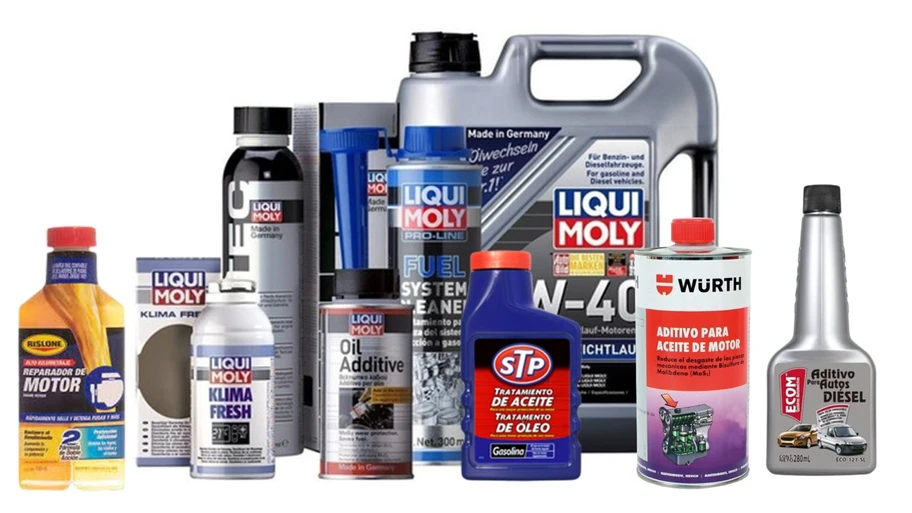
These fluids that are offered in very nice bottles They have been formulated to improve the performance and/or operation of both the oil and the gasoline that we put in our cars or motorcycles.; even in heavy machinery. It is important to emphasize that, depending on the quality of the additive, it will be the benefit for the engine of our vehicle.
Additives, how do they work?
The additive component will have a direct action on both gasoline and oil, improving aspects such as combustion and friction. between internal moving engine parts. The above translates into “extra help” in caring for the engine, extending its useful life.
Additives, myths and truths
1.- They improve combustion and power: TRUE
In the case of some gasoline additives, yes, because by improving its quality, its components or formulas help to optimize the mixture, the work of the injectors, and even slightly increase the octane, resulting in slightly more power.

2.- They repair faults: Fake
There is no gasoline or oil additive on the market that has this ability. Some have compounds that come to “seal” leaks in joints or gaskets. However, major failures such as metal wear or rupture of some component, impossible.
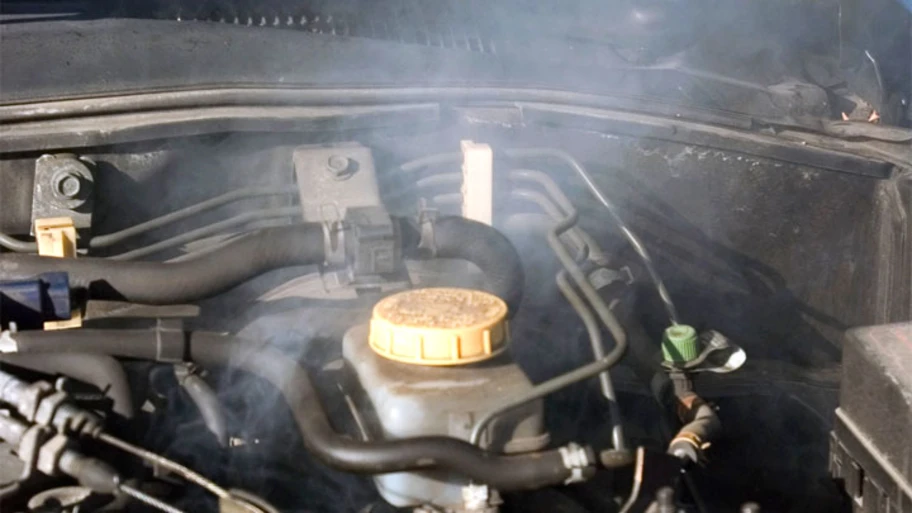
3.- They reduce friction between metals: TRUE
Some oil additives have ceramic particles or other components that help “permeate” the metals. This helps reduce friction and promote good lubrication.since they also stabilize the internal temperature, maintaining the viscosity of the oil.
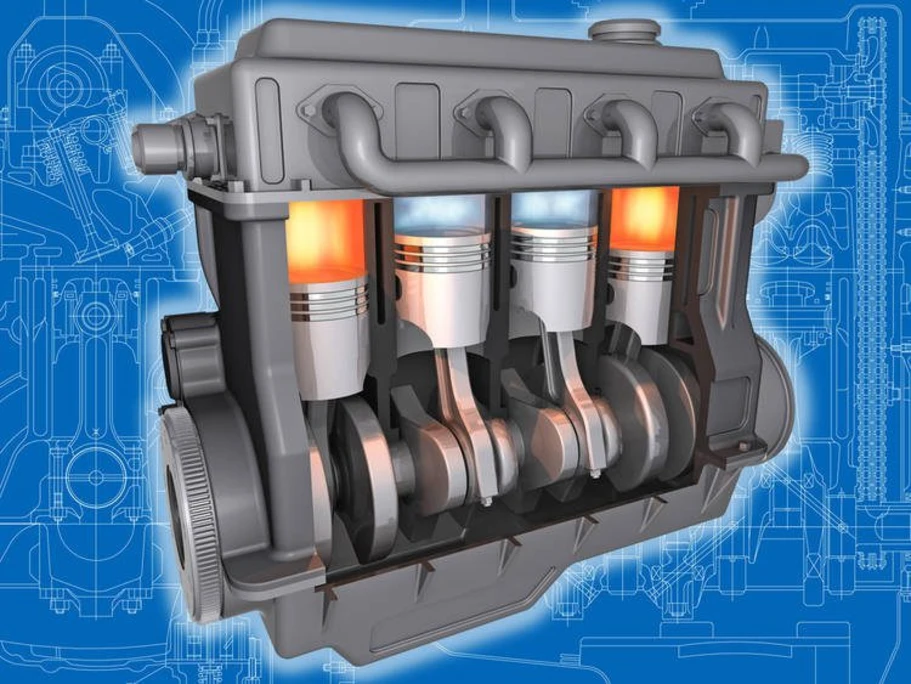
4.- They help to clean the engine: TRUE
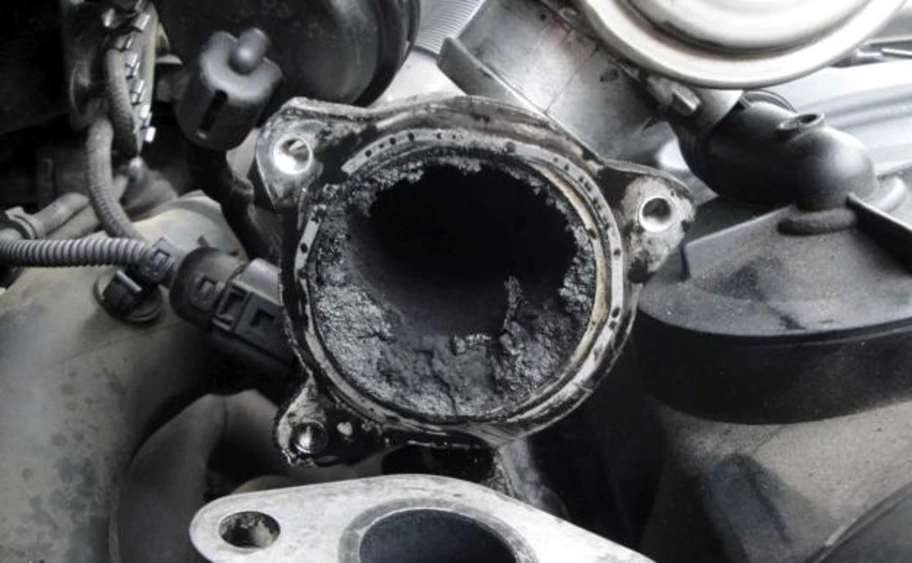
Many brands have in their catalogs additives for different uses, some of them are intended to “wash” the internals of the engine. As? Before making an oil change, the compound is added, the car is started, we let it act for the time indicated by the manufacturer and then we drain the dirty oil. These additives remove sludge, oil pools or carbonization adhered to engine internals.: valves, connecting rods, pistons, bearings, walls, seals and even the carter itself. I highly recommend them, especially if your car is over 60 thousand kilometers.
5.- They help to reduce fuel consumption: Fake
Despite the fact that many brands have carried out countless tests, applying their products to different vehicles to improve their performance, the reality is that everything will depend on the health of the engine and your driving habits. It will not do any good to put the best additive to a damaged or neglected engine. On the other hand, an excellent engine with good additives will not be of much use as long as our right foot is “heavy”, however they can contribute to a midpoint between the two scenarios.
Cosmotips
- Consult a professional mechanic before putting anything in your car
- If your car “runs” well, leave it alone. It is not imperative to put any additive
- Oil additives are always integrated into the system after service or oil change
- Manufacturers do not extend warranties on their products and the results depend on the state of the engine or vehicle.
Happy miles!

