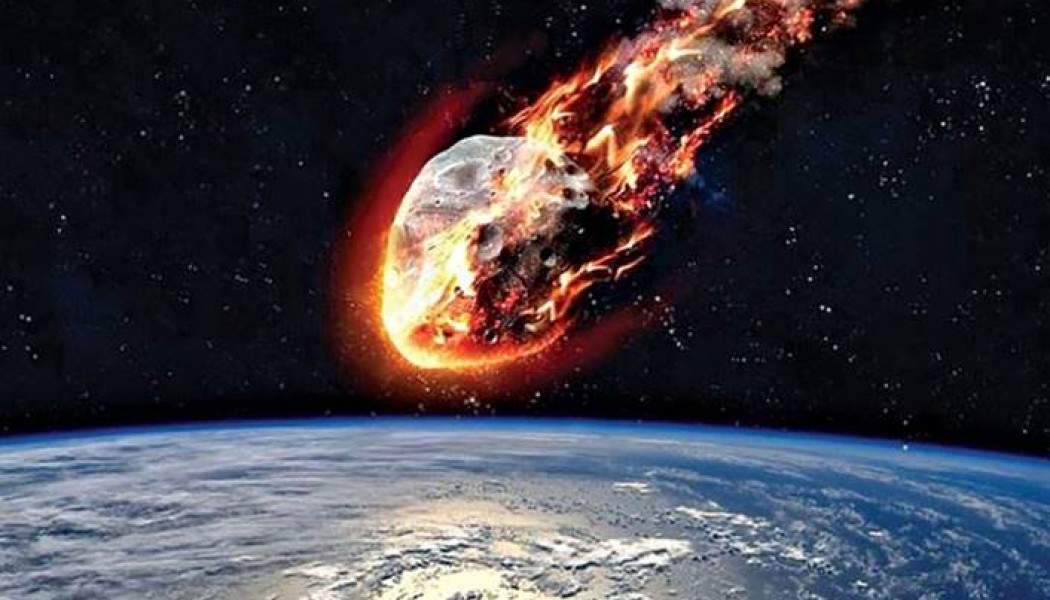
The Japanese Space Agency has confirmed that two types of organic matter have been discovered on the surface of an asteroid for the first time in human history. Japanese researchers carried out a rigorous laboratory analysis to unravel the chemical structure of a 30 micrometer wide particle dubbed "Amazon", taken from an S-type asteroid called Itokawa, which was visited during the Hayabusa mission in 2010. At the end of the research, organic matter was detected in the range of one thousandth of a centimeter. According to geologist Queenie Chan of Royal Holloway University of London, "The findings are exciting as they reveal how much the evolutionary path of an asteroid follows that of Earth."
PRIMARY ORGANIC MATERIAL
According to Japanese scientists, their research shows that the asteroid's building blocks, called "primitive organic matter", acquired long after it cools down; He demonstrated once again that he attracted water and other organic matter as he continued his journey between the stars, despite the extreme cold in space. Most meteorites that fall to Earth or melt after entering the atmosphere belong to the "S" class; For this reason, recent discovery, asteroid and meteor impacts increase the probability of sowing seeds of life on the planet. This type of research aims to piece together the missing puzzle pieces about the phenomenon of "life in space" as well as how life existed on Earth.