

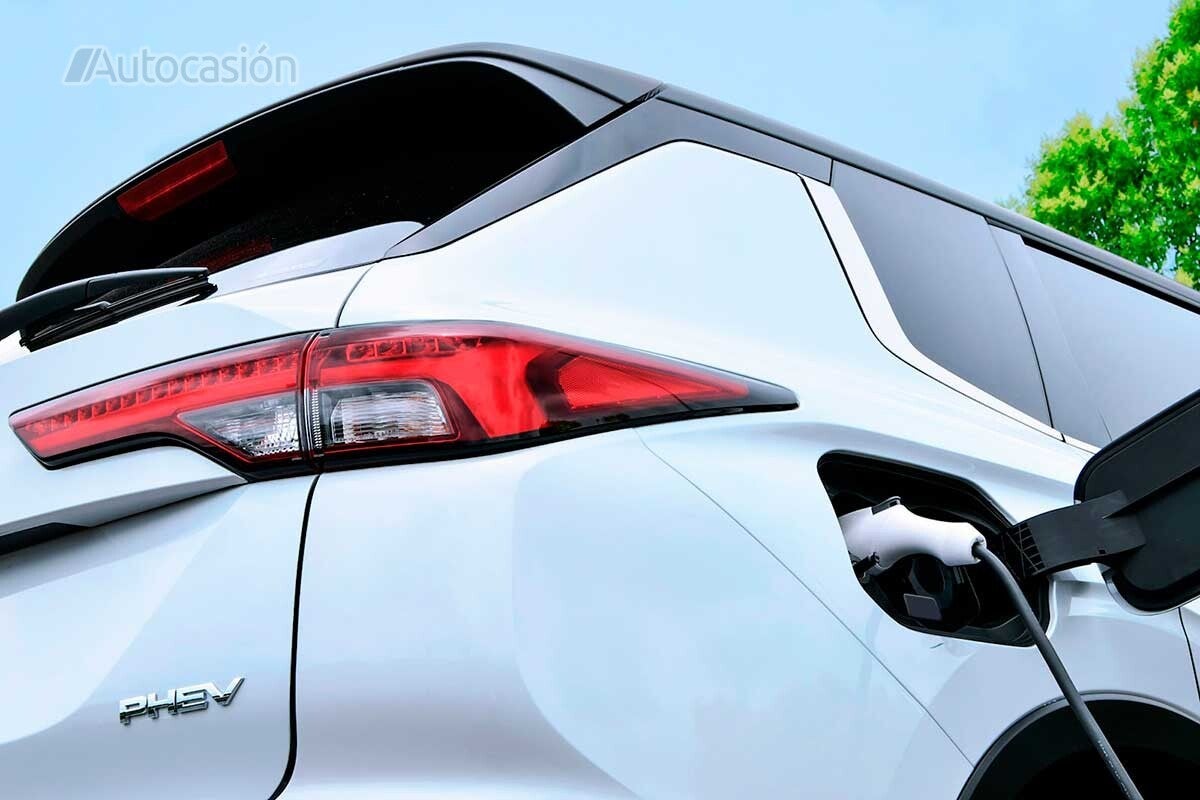
2 photos
 CDA
CDA
January 11, 2023
Plug-in hybrids only achieve their maximum emissions benefit when plugged in daily. Spoiler alert: it almost never happens.
Many drivers consider PHEV or plug-in hybrid vehicles as a more than acceptable solution to fight climate change without having to face the “difficulties” of pure electric cars. Nevertheless, studies are questioning whether these types of cars are “ecological”.
According to a new study from the International Council for Clean Transportation (ICCT), plug-in hybrids only achieve their maximum benefit in terms of emissions when they are plugged in daily and that doesn’t happen as often as you might expect.
Very few kilometers in 0 emission mode
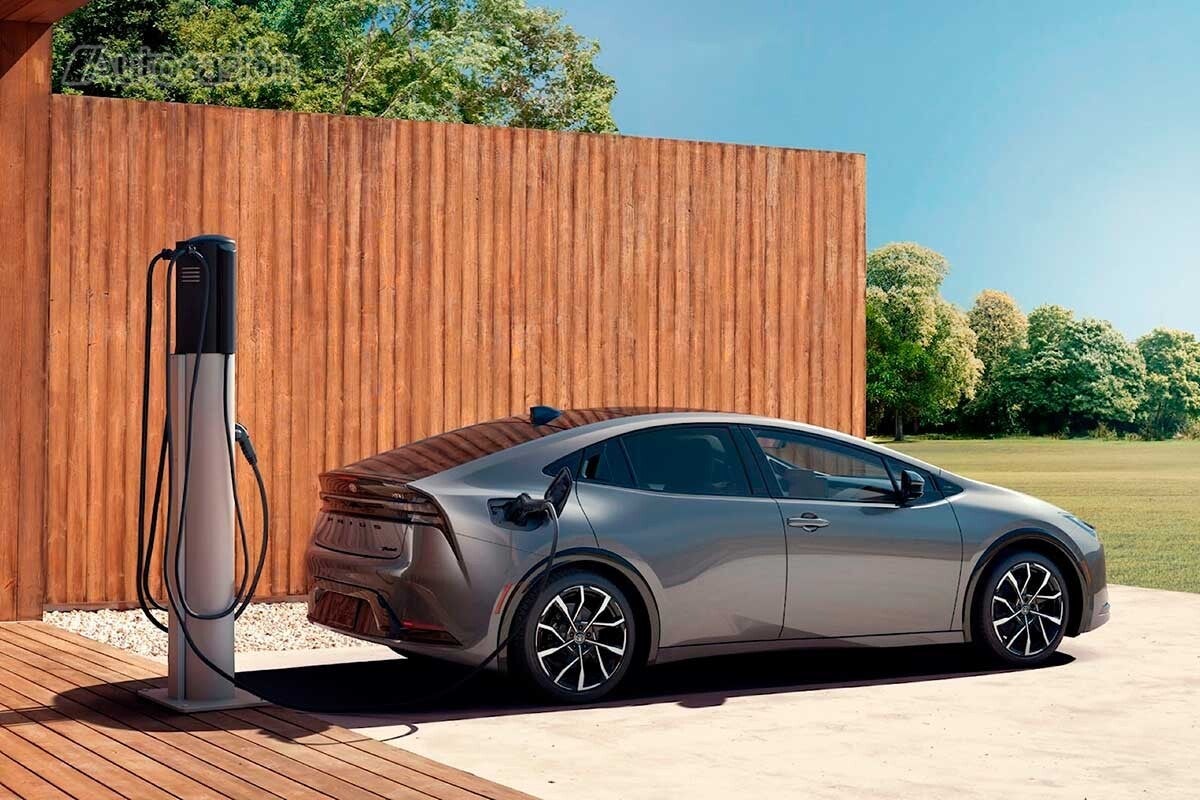
2 photos
We remember that PHEVs are those that have a combustion engine, mainly gasoline, that relies on an electric battery that gives them limited autonomy (usually less than 100 km) in 100×100 electric mode.
Based on the fuel consumption figures declared by the drivers themselves on the website Fuelly.com and the data on distances traveled with the engine off collected by the California Bureau of Automobile Repair (BAR), the study concludes that the Real-world all-electric miles driven by plug-in hybrids can be 25 to 65 percent less, and 42 to 67 percent higher fuel consumption to what the manufacturers declare.
VIDEO| When are you interested in buying a plug-in hybrid car?
Thus, the report argues that drivers should maximize the number of kilometers they travel in electric mode by plugging in frequently, but unlike fully electric cars, recharging is not mandatory or necessary to drive. This way, you usually drive much longer pulling the combustion enginewhich increases fuel consumption and therefore emissions.
The study concludes that probably early adopters of these types of vehicles have more access to chargingwhile the following drivers cannot be assumed to do so with the same frequency.

