

4 photos
 Ruben Fidalgo
May 30, 2023
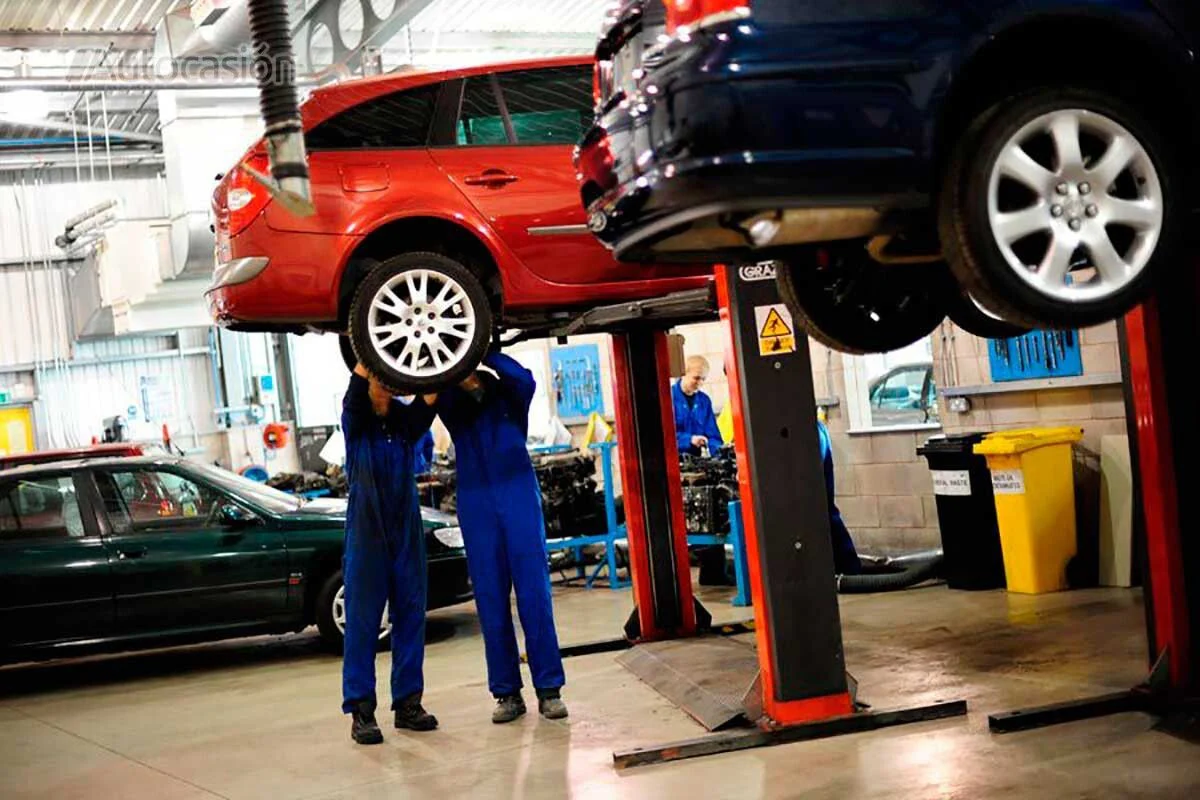
If you have taken your car to the workshop and the mechanic tells you any of these phrases, be alert, it is very likely that they are trying to hook you up to hide something or fatten the bill.
Although there are excellent professionals in Spanish workshops, the vast majority, it is no less true that we have all had some unpleasant experience or, at least, the feeling that “they have slipped into us” after accepting some unconvincing explanations and paying the bill. These bad experiences mean that for some going with the car to the workshop is a real headache.
Fortunately, bad professionals are fewer and fewer, but the lies in the workshops and the attempt to deceive customers continue to exist. To try to help you detect possible scams, we have compiled five workshop phrases that, if you hear, you should be alert, they are a good lie detector. And remember: “if there is doubt, there is no doubt”.
1.-That happens to all…
It is, perhaps, the most said phrase in mechanical workshops. Many times it is not an excuse and it is real. There are models that have endemic failures and mechanics tend to diagnose based on their experience, but if they tell us when we complain about noticing something unusual after a repair, it can be a way of masking a problem they don’t want to mess with.
For example: you are going to change a clutch, they put a new one on you and, when you go to pick up the car, the pedal is abnormally hard. Perhaps the real reason is a poor-quality clutch hub and they know it, but they also know that, on many occasions, the part is changed by their supplier, but they lose (unfortunately, suppliers do not always assume it) the labor hours to change the part again. So they dismiss the customer with “that’s how it is, it happens to everyone when they’re new.”
4 photos
2.- You take it, try it and, if it does not convince you, bring it back and we will fix it
This is a trap in most cases. Repairs have a relatively limited warranty period. The normal thing is that it is not higher than the mandatory one reflected in Royal Decree 1457/1986 art. 16 specifying a warranty period in repairs of 3 months or 2,000 km.
You leave the workshop not very convinced by the repair, probably with the excuse described above and that will soften over time… Time is against us and with some warranty terms so short it’s easy to miss out Due to an oversight or because we do not have time in that period to take the car back to the workshop.
The result in some cases is that when we come back completely convinced that the repair is not to our satisfaction, they show us the fine print of the guarantee of the repair and that they are no longer responsible.
3.- Well, since…
Another very typical one that can also be true on many occasions, but on others it hides a way to inflate the bill. For example, we go because the car has not passed the ITV due to an engine oil leak. The cause is a crankshaft seal and, to access it, you have to disengage (in most cases) the gearbox from the engine.
It takes several hours of work to change a simple rubber ring that costs a few euros and in most cases it is convenient to change the clutch kit, this is true. However, there are other repairs in which it is not true that “once we have all this disassembled, we should change this other”.
The best thing is that, when they propose a “well since«, you go to the workshop to show you the parts that they recommend replacing, even if they are not directly related to the fault that caused you to take the car to be repaired.
4 photos
4.- It is the flowmeter
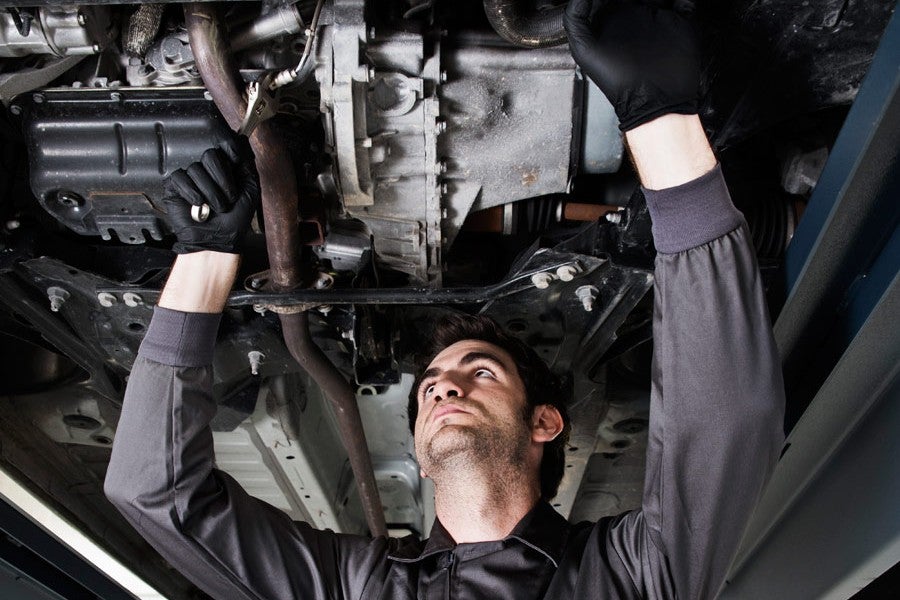
This phrase begins to be little by little less pronounced than “it’s the antiparticle filter.” A high percentage of flowmeters that have been changed were not actually the source of the problem. We take the car to the workshop because a breakdown alert comes on or sometimes it runs out of power. The mechanic connects the diagnostic machine and the message appears. fault code P0101, which corresponds to a flowmeter failure.
They go to a fixed shot, change the part, go out to test the car, but the failure persists. The next thing they’re going to look at, almost certainly, is the EGR valve. If it is dirty, they clean it (if possible) or they will change it. Many times that is the fault, but on other occasions the defect is still there, so… third step: check for leaks or air intakes in the intake and in the end they see that it is a gasket or a poorly tightened sleeve that is the cause… but They have already put in a new flow meter and, on many occasions, they are going to invoice it.
You may be interested: How to save money in the workshop
5.- That was already like that, we haven’t played there
In today’s cars, everything is interconnected. The different control units of the different systems have to communicate to work in unison. I will explain it with a simple example: a few years ago, ABS and fuel injection systems arrived. They were two systems with two independent computers that did not talk to each other.
When the traction control arrived, what was done was to connect these two control units so that the ABS unit could give commands to the engine’s injection to reduce acceleration and prevent the wheels from losing traction. Well, now, in many cars, even the navigator communicates with stability control and cruise control.
4 photos
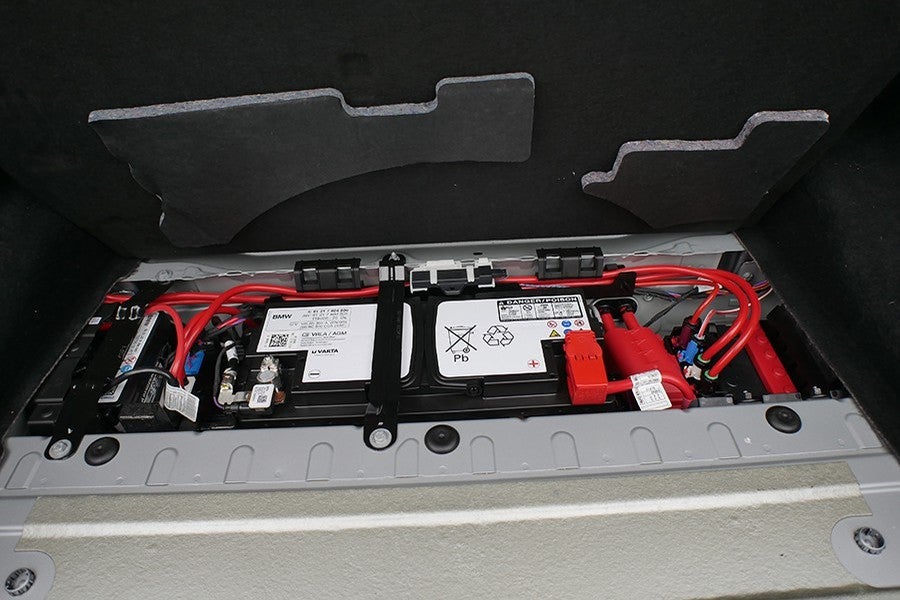
This makes life very difficult for mechanics and, sometimes, a repair of an element that has nothing to do with another ends up causing other problems. Something as simple as changing a battery in a current car is a real headache. Almost all the cars that are sold now equip the Start & Stop systemwhich requires an electrical energy management module for the device to determine whether or not it is advisable to turn off the car in traffic jams.
A battery change can cause a veritable cascade of electrical problems in the car if the manufacturer’s procedures are not followed and the necessary diagnostic equipment is used to code the new battery. Elements that in principle would not have to be related end up being so.
This does not mean that whenever they give us this excuse it is just that, an excuse. Sometimes, it is true that there are coincidences and just the day we take the car out of the workshop because we have punctured a wheel, the windshield wiper breaks, but other times that coincidence is not so much.

