

Since the appearance of electric scooters On the roads, some changes have been necessary in their regulation at the legal level. Considered as personal mobility vehicles (VMP), they have limitations on their speed and on entering pedestrian areas, in addition to obligations such as not using a mobile phone or not exceeding the same alcohol levels. However, there are still many that do not comply to the letter and it is one of the main reasons why they are those of greatest concern to older pedestrians.
In a recent campaign carried out by the RACE Foundation and the Santalucía Group, activities were carried out with almost 2,000 people aged 65 and over, including a mobility survey with 700 participants, and some conclusions were drawn. The most striking was that, when they circulate as pedestrians, a 83% are concerned about conflict with electric scooters. It was the highest figure in the study, which also showed that 59% are concerned about cyclists and 51% see difficulties in pedestrian routes.
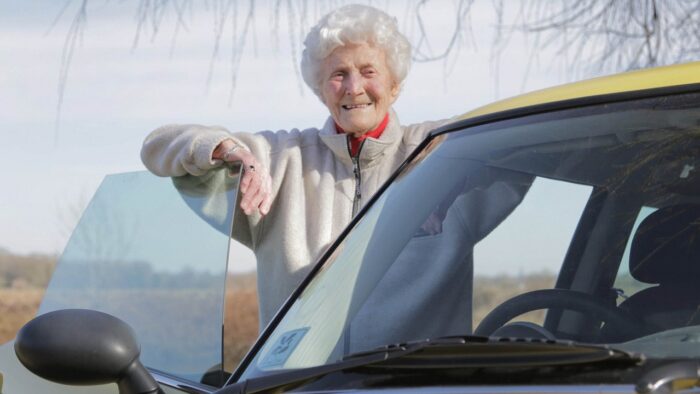
It is logical, because they are vehicles that are small, do not make noise (therefore they are difficult to perceive) and not all their users have clear rules yet. Although there were also some questions about cities and its adaptation to this public. Those over 65 asked to eliminate architectural barriers and improve sidewalk maintenance. They also complained about poorly parked vehicles, poor visibility at crossroads and reduced times they have to cross pedestrians at traffic lights.
These are all quite logical and improvable issues to reduce the accident rate in this age group, which accounted for 26% of the total in 2020. They are the most vulnerable group (along with children) and that makes their case fatality rate is 4.2 compared to 1.2 for the rest of the population groups. It is important that, both as pedestrians and as drivers, their demands are heard and some things are improved. Another question, now while driving is the complexity that the use of the child restraint systems.
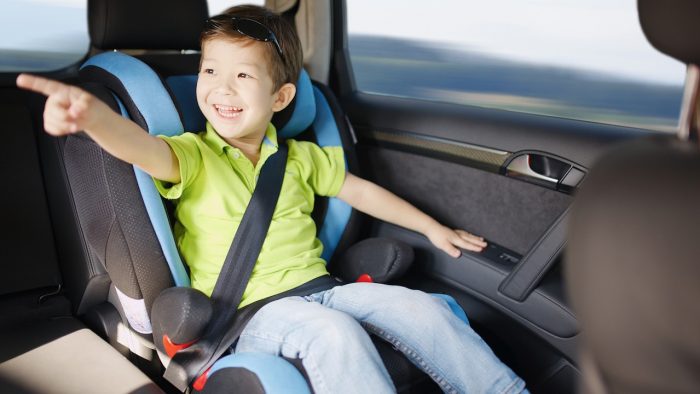
More than a third have had to use the pushchairs to carry the little ones in the house and it is not easy for them. More than 40% admit that their installation was complicated and more than 30% doubted about its correct placement. In this section, the educational role and the ease of use of the devices are also important.
Source: RACE

