

 Author: Autocasión
May 08, 2023
The number of drivers denounced during the last speed campaign carried out by Traffic in our country increases. Road safety or tax collection?
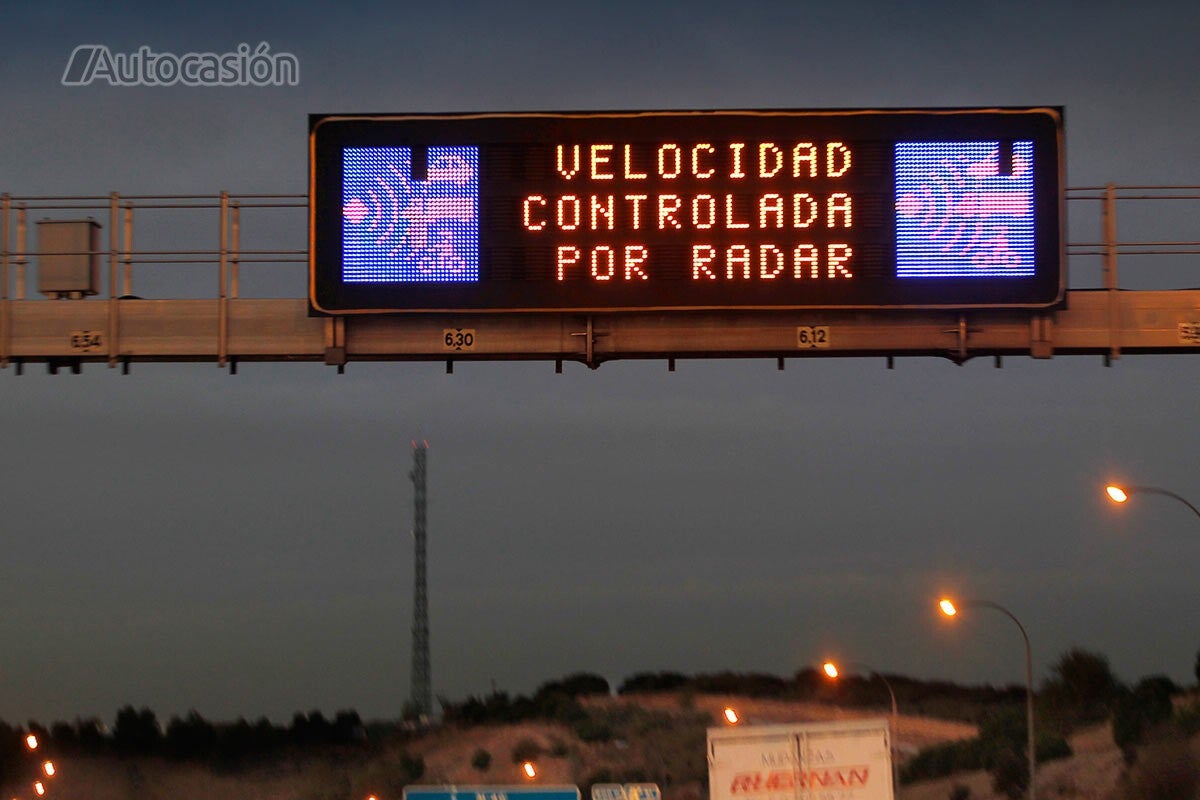
Between April 17 and 23, the General Directorate of Traffic carried out a special surveillance and control campaign focused on speed. The results have just come out and, once again, the number of reported has increased with respect to the same campaign carried out in July of last year.
Indeed, this data should alert us that the responsibility behind the wheel continues to be conspicuous by its absence in many cases. However, the number of checkpoints has also grown (almost 25% more), which makes us ask ourselves again if the objective is to increase road safety or if the DGT premium is a collection effort.
Be that as it may, the total number of control points established between the aforementioned April 17 and 23 have been 2,838 (564 more.) In them, a whopping 792,338 vehicles have been controlled, 6% more than last year (around to 45,000 more vehicles.) Of all these, the agents of the Traffic Group of the Civil Guard have denounced 45,220 drivers for drive faster than the permitted speed; which translates into 5.7% of the total and one tenth more than those registered last year.
If we take into account the type of road, just over 57% of those reported (almost 26,000 users) circulated on conventional roads; about 17,600 did it by motorway and the remaining 1,700, by crossings.
11 criminals behind the wheel
In the criminal sphere, up to 11 drivers incurred in a crime against road safety and they were brought to justice for exceeding the speed allowed on the road by more than 80 km/h, as stated in the Penal Code: “anyone who drives a motor vehicle or a moped at a speed greater than sixty kilometers per per hour on urban roads or at eighty kilometers per hour on interurban roads at the time permitted by regulation will be punished with a prison sentence of three to six months or a fine of six to twelve months or work for the benefit of the community from thirty-one to ninety days, and, in any case, to the deprivation of the right to drive motor vehicles and mopeds for a period of more than one and up to four years.»

