

The classic Chanel 2.55 bagin aged calfskin and gold-tone metal, costs today €8,990. This is 1,290 euros more than it cost at the beginning of this year, a difference well above the price, of about a thousand euros, that the iconic accessory had in the 90s.
The rise in price of any product is common in a scenario of inflation like the current one, but the extraordinary thing about luxury is that, unlike other sectors, the more you raise the prices of your items, the more customers want to buy them. This is what the founder of Luxury Advise and director of the luxury program at IE University, Susana Campuzano, calls the Veblen effect. “Price is an indicator of prestige and raising it normally generates an elasticity that goes against the market. However, in luxury it is positive. You raise the price and it turns out that your product becomes more prestigious and therefore the demand grows, ”she explains.
Thus, while family budgets are reduced by the higher costs of gas, electricity or gasoline, the large luxury firms maintain their price-setting power thanks to the loyalty of wealthy buyers. Hermes He demonstrated this last week, when he announced that he plans to increase prices worldwide by between 5% and 10% in January 2023. In this way, the famous birkin bag from the French company –in a standard size of 25 centimeters–, which forces everyone who wants to buy it to sign up on a waiting list, It will go from costing around 7,000 euros to over 8,000.

The rise in prices in the sector has been generalized since 2015, according to Campuzano, who affirms that it has to do with the unification of prices in the different countries in which the fashion houses are present. “Brands like Chanel, Burberry or the Richemont group began to see that in Europe they were 40% or 50% below the prices in China. A lot of tourists came to buy bags, they resold them and on top of that they earned money. This created a parallel market and many firms matched prices to control it”, he comments. Chanel laid the foundations in 2015 when it promised that the prices set in China would never exceed 5% of those set in euros. In the rest of the countries, the range was established around a 10% difference.
gucci, for example, has carried out a similar strategy in the last two years, after becoming one of the brands most affected by the Kering group pandemic. The Gucci Marmont bag, which then suffered 9.3% inflation in China, went on to cost 8,200 yuan (about 1,135 euros), and the price of the GG Marmont Matelassé Mini model rose 21.1% in France. The objective of protecting its margins paid off, as the Italian house recorded a 32% increase in sales in the fourth quarter of 2021. “The consent to pay in luxury clients is very high. Even if prices rise, they are willing to spend”, reflects Campuzano.
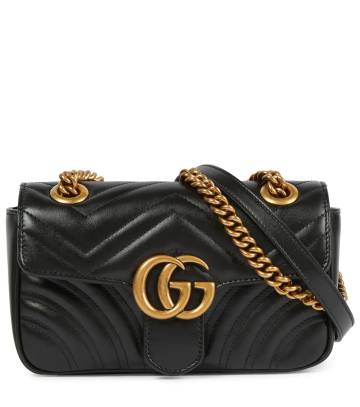
In fact, market giants such as LVMH, Kering and Hermès have recorded double-digit sales growth in the third quarter of this year, according to Luxe Talent international recruiter Alexandre Lizarbe. “Luxury handbags are rising in price, just like watches, and that’s why they’ve become financial investments in their own right. The more expensive they are, the more attractive they are to consumers”, acknowledges the expert.
Immune to crisis
Far from hindering their results, Campuzanos assures that the supply crisis has even benefited the world of jewelry, watches and leather goods, since the fact that the offer is limited positions them as “true investment products”. in tune with what Lizarbe thinks. But in addition to offering quality raw materials and using exclusive artisanal and technological processes, the consultant in the luxury sector and professor of luxury and fashion communication at ESIC, Alicia Parro, considers that the strength of luxury lies in intangible values of the signatures. “The ability to excite, to transmit membership as consumers to a unique club, to offer the magic that only art, craftsmanship and creativity guarantee, are aspects that cannot be copied and transform luxury brands into legends”, ensures.
Within the firms, he says, bags have emerged as the most iconic pieces and a fundamental source of income. “Chanel’s 2.55 is a icon between accessories and its demand continues to increase, especially from the markets that are growing the most, such as Asia. The company, therefore, places it in a higher position to continue cultivating the character of a jewel bag that it possesses”, warns Parro.
Raising their prices is a direct consequence of maintaining the attractiveness and quality of the sector. Their margins are very high, but they do not skimp on how to invest them either, as Campuzano recalls: “Louis Vuitton’s average price is not the same as Chanel’s, that’s why Chanel is on the exclusive Ortega y Gasset street in Madrid. She spends much more on rent and her costs are higher because her bags are more expensive. Although the margins are very large, the firms use them to invest in some very expensive boutiques, in communication films, in everything that is campaigns, photographers, events, fashion shows… It’s all big and there is a large investment that they can afford by the margin of exclusivity. That is the magic of luxury.

