

The aerodynamics has always been a key value in the automotive world. Back in the 1930s, projects as interesting as the Schlörwagen and its coefficient of barely 0.15 Cx were being experimented with. Currently, production cars have to follow certain rules to be able to drive on the roads, but a lot of value is still placed on this aspect. Proof of this is the new hyundai ioniq 6which comes with novelties on all fronts and also the lowest aerodynamic coefficient within the brand.
The electric sedan that will hit the market early next year stood out aesthetically and for the fluidity of its lines. Thanks to this, you get a aerodynamic coefficient of 0.21 Cx, something that is also key in terms of efficiency. According to the latest estimates, the autonomy of the Ioniq 6 reaches up to 614 kilometers, a very outstanding figure today. To achieve these strengths, the Korean brand has worked a lot with its model in the wind tunnel and has been inspired by models from the past.
To carry out the design of the Ioniq 6, some specimens such as the Stout Scarab, the Phantom Corsair or the Saab Ursaab have been taken as a reference. Those models, considered as authentic streamliner, for its efficiency on wheels. They also talk about the Supermarine Spitfire, the famous British WWII fighter plane. In Hyundai vehicle is reflected on the side of the rear wing, with that fin that absorbs airflow from the ceiling to reduce drag.
Although there is much more behind the design of the Ioniq 6, because itthey had in the wind tunnel facing air currents of up to 200 km/h to improve by 10% the previous work that had been done. The spoiler that it carries was selected as the best among 70 options that were considered and it has other interesting technical innovations. The active air flap of the front bumper also reduces drag by being able to open or close as needed. Not to mention the air curtain wheelswhich connects to the wing and directs the airflow out of the tire.
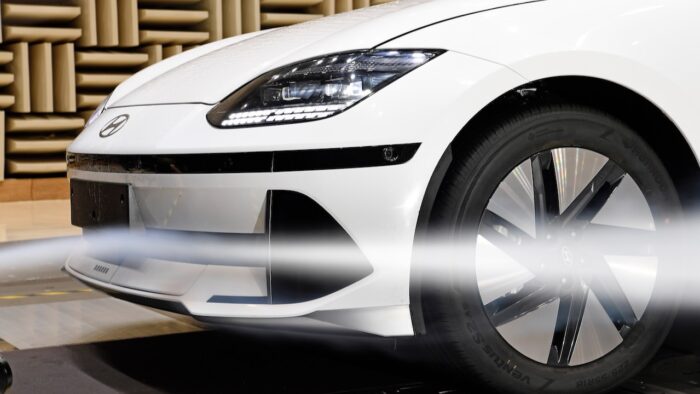
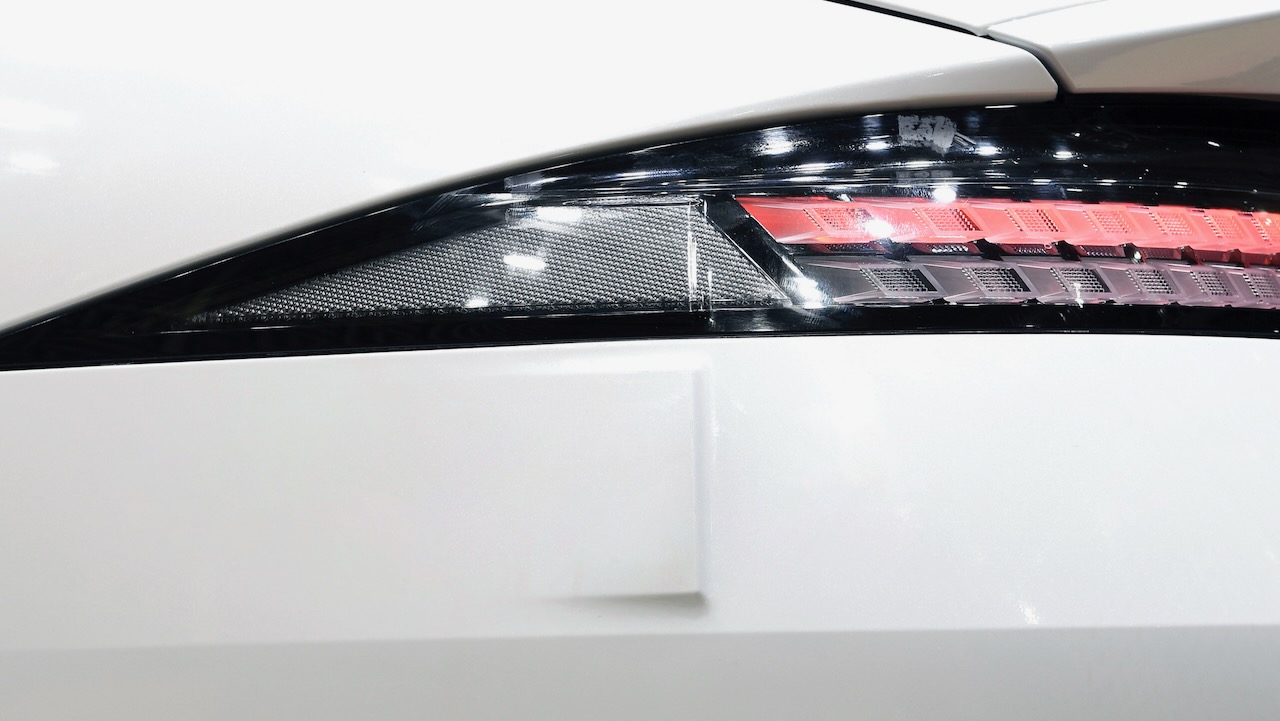
Another quality of the Ioniq 6 is that it has a fairly short front overhang to optimize the interior space. That also posed an aerodynamic challenge and for which passive flow control technology was applied, extending the ends of the front bumper. Something similar was done with the rear lights, leaving a gap which helps guide the airflow more smoothly. In short, a job well done by Hyundai to have a production car with a very low drag coefficient of just 0.21 Cx.
Photo gallery:
 1/11Photos
