

Recently incorporated into electric mobility, Toyota unveiled a series of changes that you will implement in your plan dedicated to the topic. The main novelties have as protagonists the batteries, which will be optimized especially in terms of autonomy, costs and recharging times.
This is the most outstanding item in the production of zero emission models. He also announced changes to the production models and policies related to hydrogen.
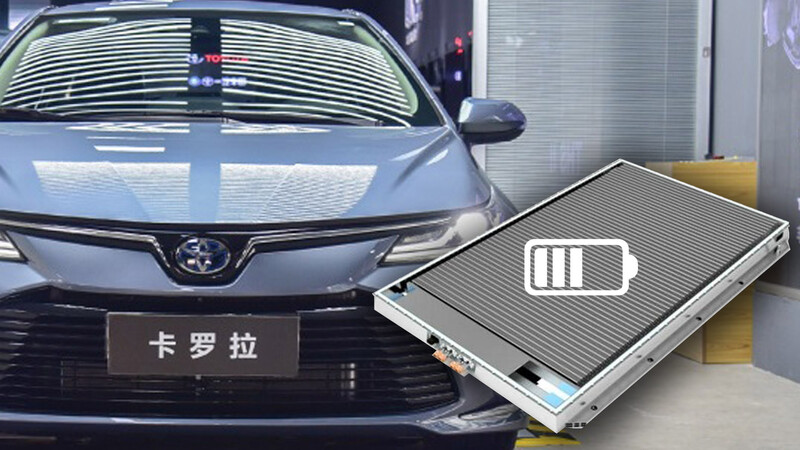
What Toyota expects from its batteries
Last April, the Japanese brand assured that before 2026 it will launch at least ten electric models. Now he maintains that since that year will unveil a new generation of battery-powered vehicles. One of the main characteristics that these models will have is that they will have different types of batteries, including LFP (lithium iron phosphate) and solid state, among others.
Comparing it with the bZ4X, the brand’s first electric model, Toyota plans to offer at least 20% more autonomy, a fast charge from 0% to 80% that is maintained in 30 minutes or decreases, and reduce production costs by 40%. Consequently, the Japanese firm is working on the development of batteries that, as they are presented, will increase the estimated autonomy, among other novelties.
On the one hand, there are the “Performance” NCM (nickel, cobalt and manganese) batteries, which are estimated to have a range of 1,000 kilometers. This figure would be reached if the vehicle that carries them has a highly aerodynamic design and a more compact electric motor than the one used in the Bz4X, which would decrease the weight of the model.
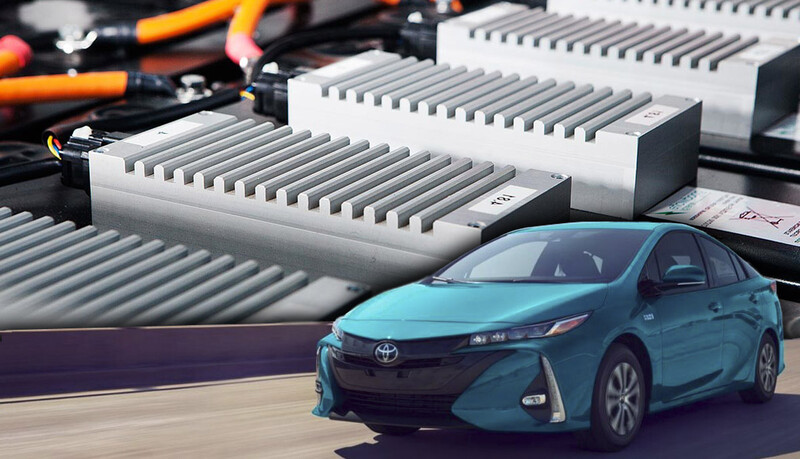
Besides, Toyota develops high-performance lithium-ion batteries, which would gain 10% autonomy compared to the “Performance” (1,100 km) and whose production cost would be reduced in the same proportion.
There will also be solid-state batteries, in which the Asian automaker has been working since the beginning of 2022, and with which it hopes to gain 20% autonomy when compared to the “Performance”, for which it would reach 1,200 km. It would also improve charging performance, since the transition from 0% to 80% would take just 10 minutes… or even less.
An additional detail: Toyota works on two types of solid-state batteries; In this regard, it is expected that they will achieve 50% more autonomy than the “Performance”, with which they would reach 1,500 km, no less.
Production and hydrogen, other points to modify
In addition to what was mentioned about batteries, Toyota announced that it will invest in its production of electric vehicles, in order to adopt a system similar to Tesla’s Giga Press and make it more efficient. Lastly, the brand spoke about hydrogen again, this time as a component of fuel cells, and as a key part of a new division within the brand, which will be presented in July and who will specialize in the use of the chemical.

