

3 photos
 Author: Autocasión
April 28, 2023
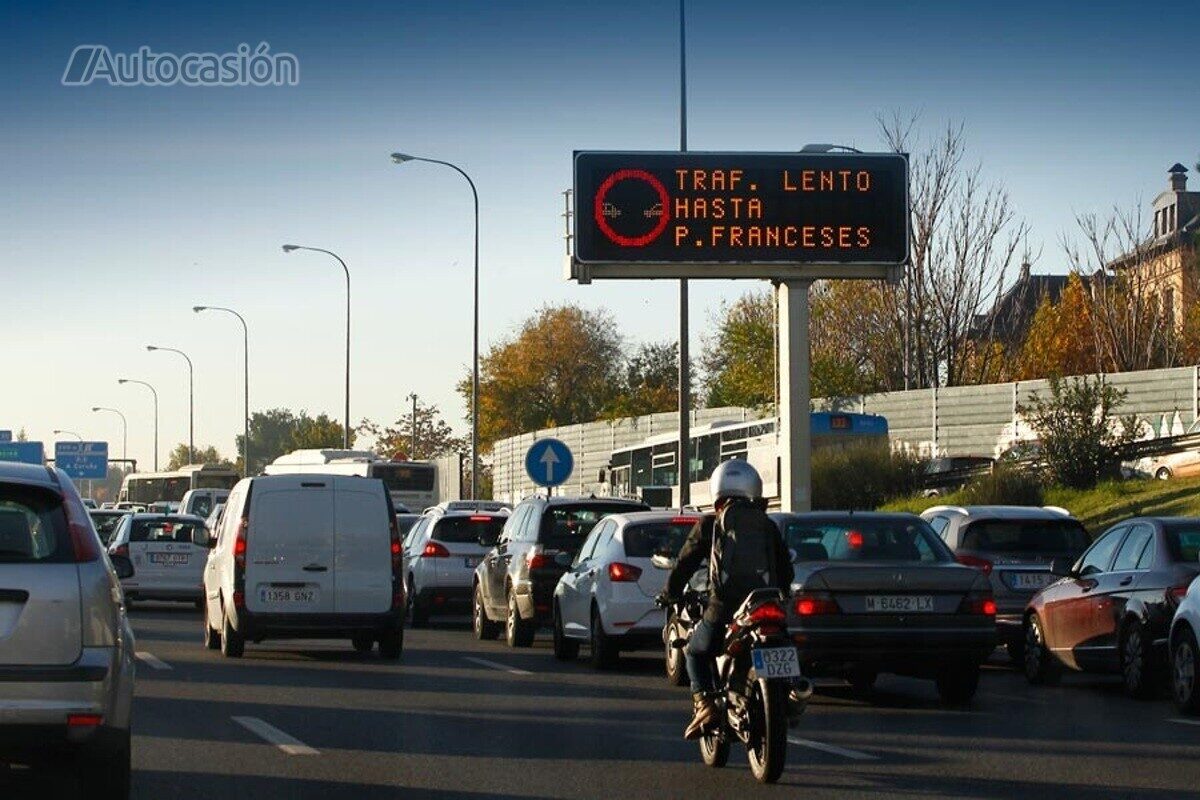
The DGT estimates that there will be more than 6.5 million displacements in the coming days. If you want to avoid traffic jams and radars on the May Bridge, pay attention to the tips and tricks that we have prepared to make your trip a success.
From this very Friday -or even before- many are those who will take their suitcases and enjoy a bridge that due to climate and temperatures is expected to be magnificent for coastal destinations. The General Directorate of Traffic estimates that more than 6.5 million trips will be carried out and, taking advantage of the fact that in addition to Monday (national holiday) it will also be a holiday in the Community of Madrid on Tuesday, everything indicates that between today and tomorrow, Saturday the 29th, the exits from the big cities (especially Madrid) will be congested with traffic. For avoid traffic jams and fines on the May bridgeit is best that you take a look at the following recommendations…
When will the traffic jams of the May Bridge occur?
As we say, the main movements will occur at the exit of large urban centers on Friday the 28th in the afternoon and Saturday the 29th in the morning, affecting the traffic of inland vehicles, especially in coastal areas and second homes. In addition, the operation will also take into account the celebration of the Jerez Motorcycle Grand Prix, so there will be special control on the main access roads to the Cadiz municipality.
The return will take place mainly during the afternoon of Monday, May 1, although the DGT expects that many advance their return to Sunday. In the same way, many people from Madrid will rush their return until Tuesday, May 2. These days there can be traffic problems on the main communication road axes that channel the entire return movement to the big cities, especially on Monday.
Controls on the May Bridge
3 photos
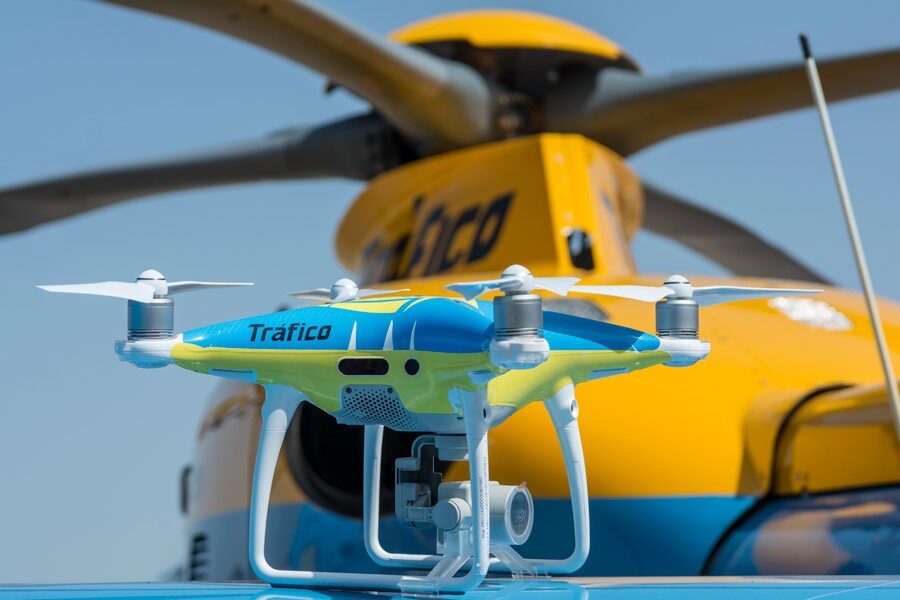
During this special operation, the DGT will complement its aerial surveillance service, as Autocasión has already advanced on other occasions (This is how the drones that the DGT tests to fine us from the air are, More fines from the air: small planes and drones join Pegasus) , with drones that will monitor specific areas for both control and traffic regulation missions.
Currently, the DGT has 39 units with a radius of action of up to two kilometers. They operate at a maximum height of 120 meters and have a range of half an hour. Of course, aside from these drones, all the Pegasus helicopters will be flying.
DGT regulation measures
To facilitate travel and fluidity to traffic, the DGT will implement a series of measures such as installing reversible lanes using cones, restricting heavy transport (more than 7,500 kg) and dangerous goods in some sections and times, paralyzing the works throughout the campaign, developing alternative itineraries displayed on its website and providing real-time information in the numerous information boards and on site on-line, among other. To carry out all this, they have the help of a good number of Fomento conservation officials and employees, as well as the available agents of the Traffic Group of the Civil Guard.
So that your journey is completed in the best possible way…
- Plan the trip properlytrying not to do it during the hours of greatest circulation to avoid traffic jams and carry out a calm driving
- Find out about the state of the roads. The General Directorate of Traffic offers free information on the state of traffic and the incidents that may affect it, through the following means: telephone 011, Internet, Twitter (@informacionDGT), the DGT App or in the news bulletins of the radio stations. radio and television
- adjust the speed to the circumstances and the road we are on. On highways and highways the maximum speed allowed for cars and motorcycles is 120 km/h.
- Pay special attention to motorcyclesare especially vulnerable, especially on curves and on secondary roads.
- Do not consume alcoholic beverages or any other drug if you are going to drive.
- He seat belt is mandatory, also in the rear seats; Special care is required by minor passengers.
- Pay attention to the short tripsyou have to take the same precautions as in long-distance ones.
- Drive efficiently to save fuel, at low speeds, high gears and keeping the safety distance.
Radars and fines on the May Bridge
- List of sections monitored by mobile radars
- The radars that collect the most in Spain
- Traffic cameras: how to avoid them, the ones that fine the most…
- Tricks to deceive the radar: myth or reality?
- How to appeal a traffic ticket
Traffic jams on the May Bridge
- Traffic jams: avoid breakdowns in your car
- What are the cities with the most traffic jams?
- The most dangerous roads in Spain
- How many hours do we lose in traffic jams?
- How to avoid breakdowns at Easter
How to drive in bad weather
- How to drive with wind
- How to drive in the rain
- How to drive in fog
- How to drive in bad weather…
- Tricks for driving with hail

