

2 photos
 CDA
July 11, 2023
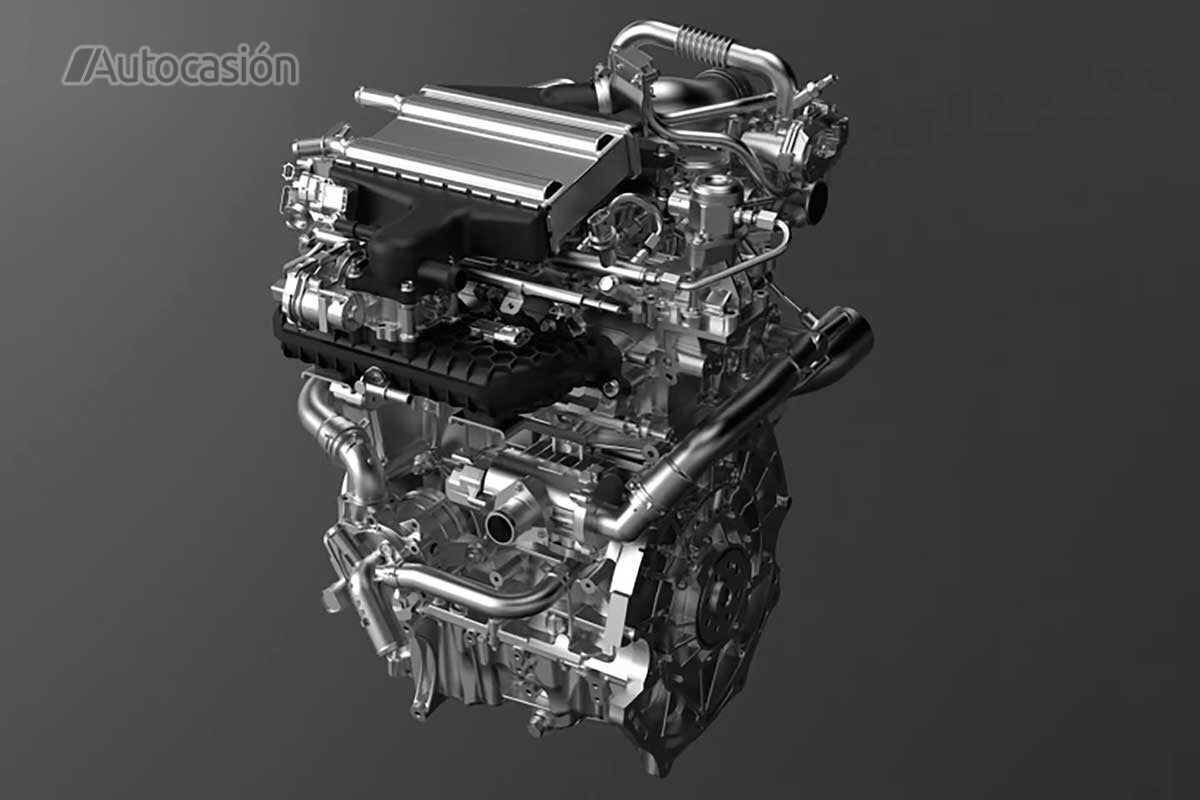
Developed by GAC and Toyota, the ammonia-powered combustion engine promises fewer polluting emissions.
The Chinese state manufacturer GAC, in collaboration with Toyota, has presented a prototype of engine that burns liquid ammonia instead of gasoline or dieselwhich could make it an alternative fuel to electricity and hydrogen.
The new internal combustion engine is inspired by the maritime and transport sectors, which are looking at ammonia as an alternative to diesel for container ships and trucks. According to GAC, the 2.0-liter four-cylinder engine makes 161 hp and emits 90 percent less carbon than unleaded gasoline.
2-liter 161 hp engine for passenger cars

2 photos
Although it is not the first engine developed to run on ammonia, it is the first to be developed for possible use in passenger cars.
In its annual technology presentation, GAC has highlighted that with this new propellant several problems have been overcomesuch as excess nitrogen emissions and increased combustion pressure compared to gasoline engines.
«We have overcome the pitfall that ammonia is difficult to burn quickly and we have put this fuel at the service of the auto industry,” said Qi Hongzhong, an engineer at GAC’s R&D center in Guangzhou, China.
Ammonia is a very toxic substance used primarily as fertilizer, but its combustible nature has put it in the spotlight for future transportation needs. It has about half the energy density of gasoline, at 3.6 kWh per liter, but it does not emit carbon, hydrocarbons or CO2 when burned.
Keys to save fuel
The traditional method of ammonia production is considered energy intensive, but recent developments have led to small-scale production of “green” ammonia, which uses renewable energy sources to produce without carbon emissions.
More than two thirds of the world’s annual production of ammonia used in agriculture as fertilizer. It is also used as a refrigerant gas and in the manufacture of plastics, textiles, explosives, and pesticides.

