

In recent times we are seeing how vehicles are being transformed in order to survive. Conventional electrification is the most applied solution in passenger cars, but it still seems not to be sufficiently developed for Commercial Vehicles. In some cases, they have to travel long distances and the size of the batteries or the recharge times do not benefit them at all. So you sign as ABT propose hydrogen as a solution for this type of transport.
They are not the first to make a similar bet, as Stellantis has been researching for some time with the fuel cell in their vans. However, it is something first for ABT, which had been known to date mainly for its preparations of Volkswagen Group vehicles. They do so given the impossibility of making a vehicle that travels 800 kilometers on a single charge, for which a 300 kWh battery would be necessary, when currently 100 kWh is reached. The goal of the ABT e-Line subsidiary They are alternative technologies.
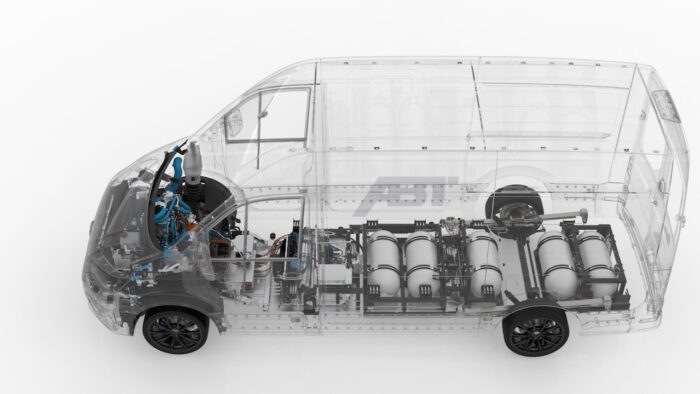
They have already experimented with the hydrogen fuel cell before with two large projects and the following is bring out two production models of this propulsion system. ABT will take care of manufacturing, vehicle integration, safety and also road approval. It is a modular system that can be adapted to the dimensions of the vehicle by putting from two to seven tanks of hydrogen of 700 bars at the base of the model so as not to subtract space from the interior.
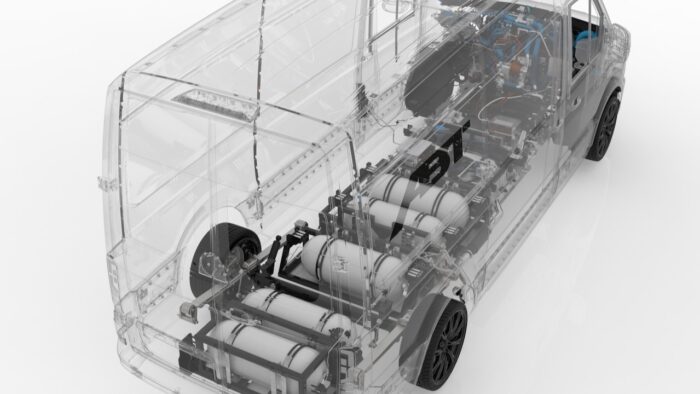
During the tests they realized that the autonomy was very good and that even surpassed the equivalent diesel vehicles. However, the project is in the development phase and there is still no more specific official data. In any case, this ABT e-Line technology has great potential in niche applications such as commercial vehicles. It is clear that the elevatedenergy density of hydrogen is an advantage over current conventional fuels and using it as a generator for an electrical system can have exemplary advantages.

