

The price of gasoline shot up last year with the invasion of Ukraine by Russia. Europe sanctioned the aggression with different packages of sanctions and this also meant stopping buying first oil and then refined products from Russia. The rise was such that the price skyrocketed (with prices above €2 per liter) and governments had to take action. In Spain, when gasoline reached 1,818 euros and diesel 1,837 euros, a discount of 20 cents per liter was applied until December 31, 2022.
Since then, the price has moderated… despite the fact that geopolitical circumstances have not changed one iota. We will try to explain the reasons
Why did the price of fuel drop?
Diesel is the most widely consumed fuel in Europe and, until last year, 44% of that consumed on the continent came from Russia. The conflict in Ukraine created a huge fuel shortage, but especially diesel, which rose in price to the point of exceeding the price of gasoline.
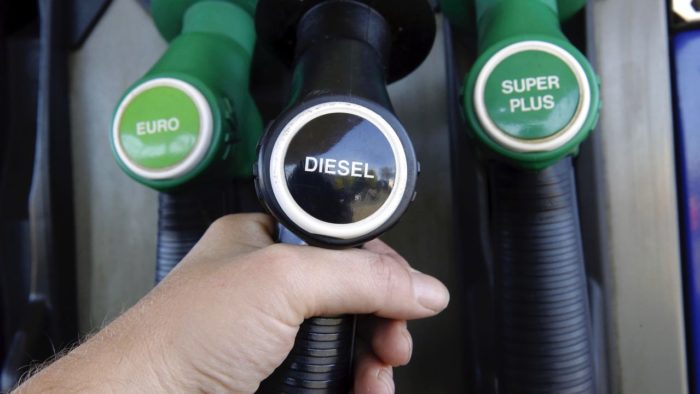
Analysts indicated that this circumstance could worsen in 2023… but the opposite has happened: fuel prices are once again reasonable and diesel is once again cheaper than gasoline. There were several reasons:
- The market has absorbed the initial shock and has found new supply routes. The oil companies now source from other suppliers.
- there was a big collection of reserves of fuel due to the fear of a shortage… and the mild winter meant that they were not necessary.
- There are countries that continue to buy from Russia. Countries that consume a lot of fuel, such as India or China. That slows down the demand for other
- When presenting first quarter results, Josu Jon Imaz, CEO of Repsol, denounced “despite the sanctions, Russian diesel continues to reach the European and Spanish markets.” It is denounced that Russian oil (cheaper at the moment), reaches Turkey and North Africa before making the leap to Europe, “laundered”. Of course, this competition does not sit well with the oil companies that buy products from other latitudes.
When does gasoline go up again?
Write down a date: July 1st. We are not fortune tellers, but Saudi Arabia, by far the world’s largest crude oil exporter and de facto leader of OPEC (Organization of the Petroleum Exporting Countries) announced last Sunday that starting in July it will withdraw one million barrels from the market. diaries.
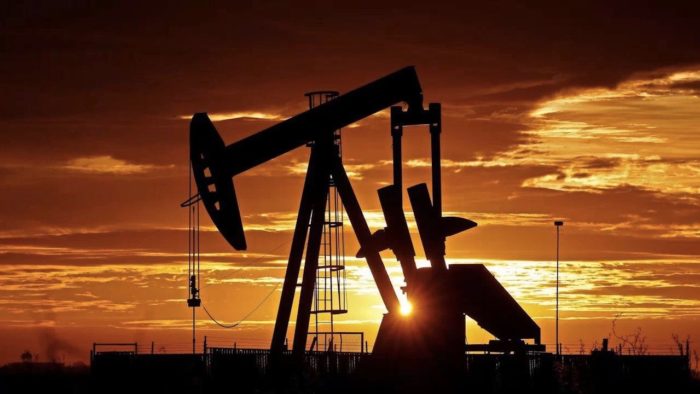
It is a huge number. He 1% of world production, almost 10% of what the Asian country pumps from its subsoil. The biggest cut in recent years, with a clear objective: to stabilize prices above 80 dollars a barrel (it is trading at 76 dollars). They need it for their own economy and to be able to finance their multi-million dollar investments. It is not our calculation, but the IMF (International Monetary Fund).
It is not a measure shared by other OPEC members (with greater immediate liquidity needs) and it seems not because they run out of black gold or it is more expensive to extract – something that will inevitably happen one day. At least, that’s what Abdelaziz bin Salmán pointed out, Saudi Minister of Energy, at the end of the OPEC meeting in Viea. This cut is “voluntary” – the third in less than a year, they are going for 3.6 million barrels less since “the market must be stabilized.”
At the meeting of the 23 OPEC+ countries (13 from the original OPEC, Russia and nine other partners, which account for 40% of world oil production) only the Saudis opted to stop pumping. The rest only committed to extending the previously agreed production cuts to the end of 2024. Among them Russia, which needs expensive oil to pay for its military campaigns. With low global demand, this price rise may not end up achieving its objectives.
Sources: Five Days, The Sixth, Cores

