


5 photos
 Ruben Fidalgo
April 11, 2023
Discover some noises that are usually indicative that a serious problem is coming and that we should take the car to the workshop.
Anticipating a breakdown can mean significant savings for our pocket, and we can do it just by paying attention to the noises that our car sometimes emits as sign that something is wrong at all… It is essential to know how to recognize them precisely to avoid the problem in time and, with it, the costly outlay that mechanical damage would imply with its corresponding labor, etc. Attentive!
It may interest you: How to carry out car maintenance
Car noises that can be a symptom of a breakdown
5 photos
Any machine that is running produces noise, it is normal. The problem is when the sound stops being the same as always and we start to hear something strange or different at a specific moment. As we told you in our report on how to explain to the mechanic what is happening to the car, it is important to identify in which situations the noise is produced, if it is when turning to one side or the other, when cold or when hot, etc.
In any case, if you hear any of these sounds that we describe below, it is best that you visit the workshop to have it checked.
screeching brakes
Perhaps it is the most striking noise and that most often worries people. Fortunately, in most cases it is simply due to accumulated dirt in the brake system or a lack of lubrication between the brake pad seat and its support in the caliper. However, there are two noises that should alert us.
high pitched noise when braking
The first of them is a sharp sound when we brake and that when we release the pedal it stops sounding or does it intermittently. This noise usually indicates that the brake pads are at the limit of wear and is produced by a small metal sheet that the manufacturer installs on the pad precisely as a wear indicator.
If the sound is like a screeching sound similar to what we hear in movies when a train brakes and drags the wheels on the track, the problem is that the friction material of the brake pad has worn and what rubs is the metal plate against the disc. If this happens, we must change the pills as soon as possible to avoid damaging the brake discs (which are more expensive than the pads) or, even worse, the hub or the brake caliper itself.
high pitched squeal when accelerating
Surely you have also heard it on some occasion, especially on a city bus that is a bit old. When you start walking you hear a sharp sound. This noise usually has its origin in the belt that moves the auxiliaries (alternator, water pump, air conditioning compressor…) when it slips on the pulleys. It can be something as simple as changing the belt or giving it a little more tension or warning us that one of the pulley bearings, the tensioner or some auxiliary is somewhat seized.
Knocking in the engine
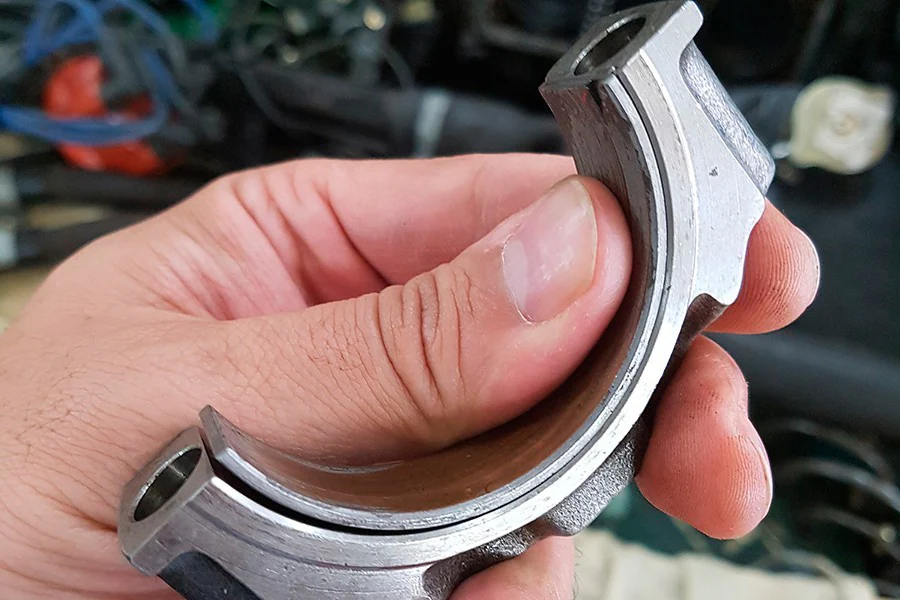
If we hear a knocking in the engine that did not do before, it is best that we turn off the engine and ask a tow truck to take it to the workshop. It may be a small thing, but on many occasions what it is about is a connecting rod that has become loose and hits the crankshaft. The repair is expensive, but it’s much worse if we keep going and the connecting rod ends up seizing or coming out of place and breaking the engine block, forcing us to put in a completely new engine.
Noise when turning the steering wheel
At present practically no new car has hydraulic assistance in the direction, almost all are electric. However, there are still many cars driving with hydraulic steering and a relatively frequent symptom is that a noise is heard when turning the steering wheel, especially when we do it almost to the stop.
This is usually due to a low fluid level, which causes air to enter the hydraulic pump and bubbles to form in the fluid. The first thing we must do is check the power steering level and fill in if necessary. If we use the car a lot like this, we will end up breaking the hydraulic pump. On the other hand, if the level has dropped, it is because there is a leak in the circuit that we must control.
Clatter when maneuvering
If when we turn the steering wheel to one side and move forward we hear a clear “cla-cla-cla” it is most likely that a homokinetic joint of the transmission is worn, probably because the rubber bellows that cover it has broken and it has lost its grease.
turbo whistle
A whistling sound from the turbocharger could be normal, but generally when that whistling sound is very intense, the operation is usually not correct. It is possible that its shaft is worn, that the speed of rotation is not ideal, that there are pressure leaks or that the discharge valve is damaged. Without a doubt, the best thing is that an expert mechanic clears up your doubts.
Noise when changing gear
In this case, the gears may have too much backlash or the bearings may be worn. This noise can also indicate a low level of the transmission fluid if we listen to it even when stopped.

