


 CDA
November 23, 2022
Is it the end of diesel? Researchers develop a cleaner dual fuel hydrogen-diesel direct injection system.
Almost everyone sees the Complicated diesel future in the automotive world, at least for private cars. However, there may be hope if this discovery carried out in Australia is confirmed and can be applied on a massive scale in conventional passenger cars; in other industries its implementation seems easier.
Engineers at the University of New South Wales (UNSW Sydney), Australia, have managed to convert a diesel engine to work as a hydrogen-diesel dual fuel engine, reducing CO2 emissions by more than 85 percent compared to conventional diesel.
Hydrogen-diesel direct injection system
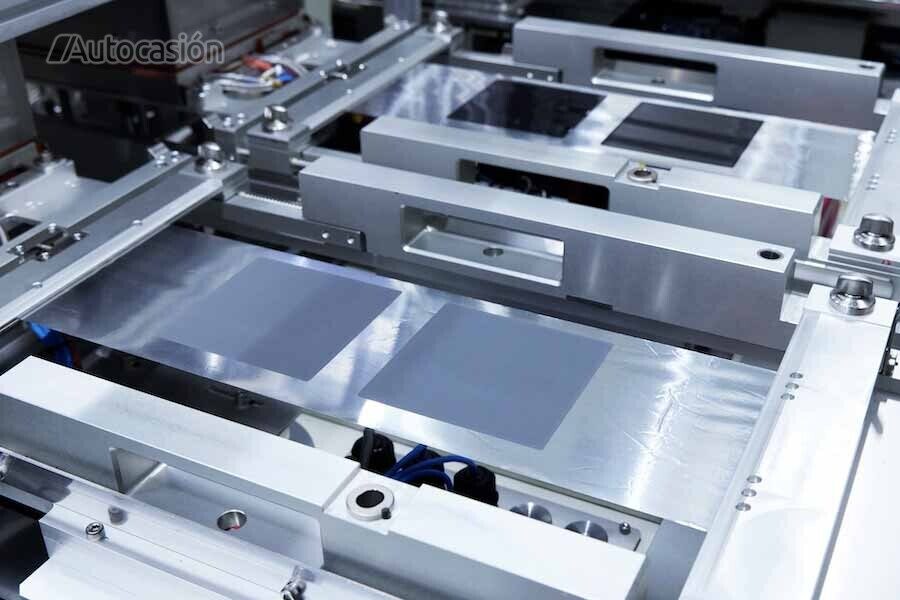
Experimental manufacturing process for Nissan’s solid-state batteries
The team of researchers, led by Professor Shawn Kook, have developed a dual fuel hydrogen-diesel direct injection systemwhich allows existing diesel engines to run using 90 percent hydrogen as fuel.
The researchers note that any diesel engine used in trucks and power equipment in the transportation, agricultural and mining sectors could adapt to the new hybrid system in just a couple of months.
In an article published in the International Journal of Hydrogen Energy, Professor Kook’s team demonstrates that the use of their patented hydrogen injection system reduces CO2 emissions to just 90g/km85.9 percent less than those produced by the diesel engine.
It may interest you: If you drive a diesel car, this is what awaits you in the coming months
The UNSW team’s solution maintains the original diesel injection in the engine, but adds hydrogen fuel injection directly into the cylinder. The new dual fuel hydrogen-diesel direct injection system does not require ultra-high purity hydrogen that they must use alternative hydrogen fuel cell systems and that it is more expensive to produce.
The research team expects to be able to commercialize the new system in the next 12 to 24 months and is willing to consult with potential investors to achieve this.

