

 christian garcia
February 10, 2023
The European Federation for Transport and the Environment warns that the real emissions of plug-in hybrids are higher than what the brands advertise.
For many, plug-in hybrids stand out as the best alternative to start the transition towards electric mobility: they allow you to drive in zero-emission mode for a few tens of kilometers in urban environments and face long journeys without wasting more time than necessary in the refueling. In short -and price issues aside-, is the most logical choice for those who have to access the center of a big city and cannot afford to own more than one car. However, not all users of this type of technology take advantage of it. In fact, a large number purchase them solely for the ‘0 Emissions’ label without charging the battery more than on a few occasions. This is precisely one of the things that administrations fear when trying to reduce emissions, but another blow could be coming to PHEVs.
VIDEO| When are you interested in buying a plug-in hybrid car?
The WLTP is still not exact
1 photos
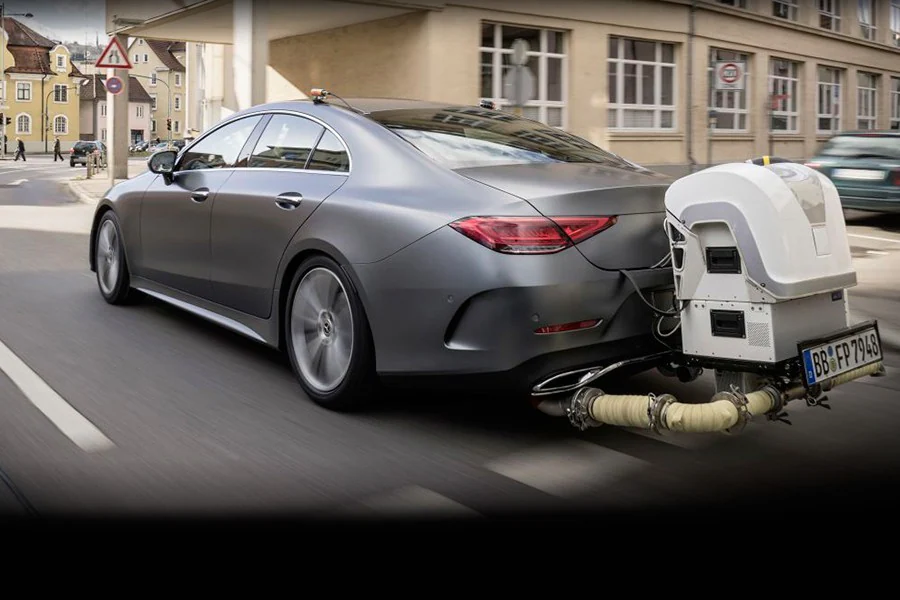
It turns out that the organization Transport & Environmentwith the support of a study commissioned to the Technological University of Graz (Austria), has warned that plug-in hybrids pollute in practice more of what the manufacturers communicate officially. In the test, three current models were tested under normal conditions and, as they point out, carbon dioxide emissions were higher than the homologation figures. As a result, T&E demanded that governments stop subsidizing the purchase of plug-in hybrids and that they apply a tax based on their actual pollution.
“Plug-in hybrids are sold as a solution to reduce emissions, but actual tests show that this is not the case. In city circulation tests, only one of the PHEVs has the advertised electric range, while all three emit more than what was stated in interurban routes», assures Cristian Quílez, responsible for Transport and Mobility at Ecodes, another environmental organization that has collaborated in the study. “We are facing yet another test that directly affects transport decarbonization and mobility policies in the city, such as low emission zones or DGT vehicle labels, which should not treat PHEVs in the same way. and to pure electrics“, he adds.

