

chance
new
 CDA
March 28, 2023
The electric car is a challenge in rescue maneuvers after an accident. Porsche is working to make the task easier.
One of the dangers that hang over electric vehicles is their possibility of catching fire. There are many cases that have been reported, although most of them are unconfirmed, of battery-powered cars that have burned down and this is a concern for everyone, especially when turning them off, a more complicated task than in a combustion car. .
To assist in these types of operations, Porsche is developing a series of specific rescue protocols for this type of automobile (if applicable, electric Macan and Taycan) in order to facilitate and make the work of emergency teams safer.
Rescue operations will be safer and more effective
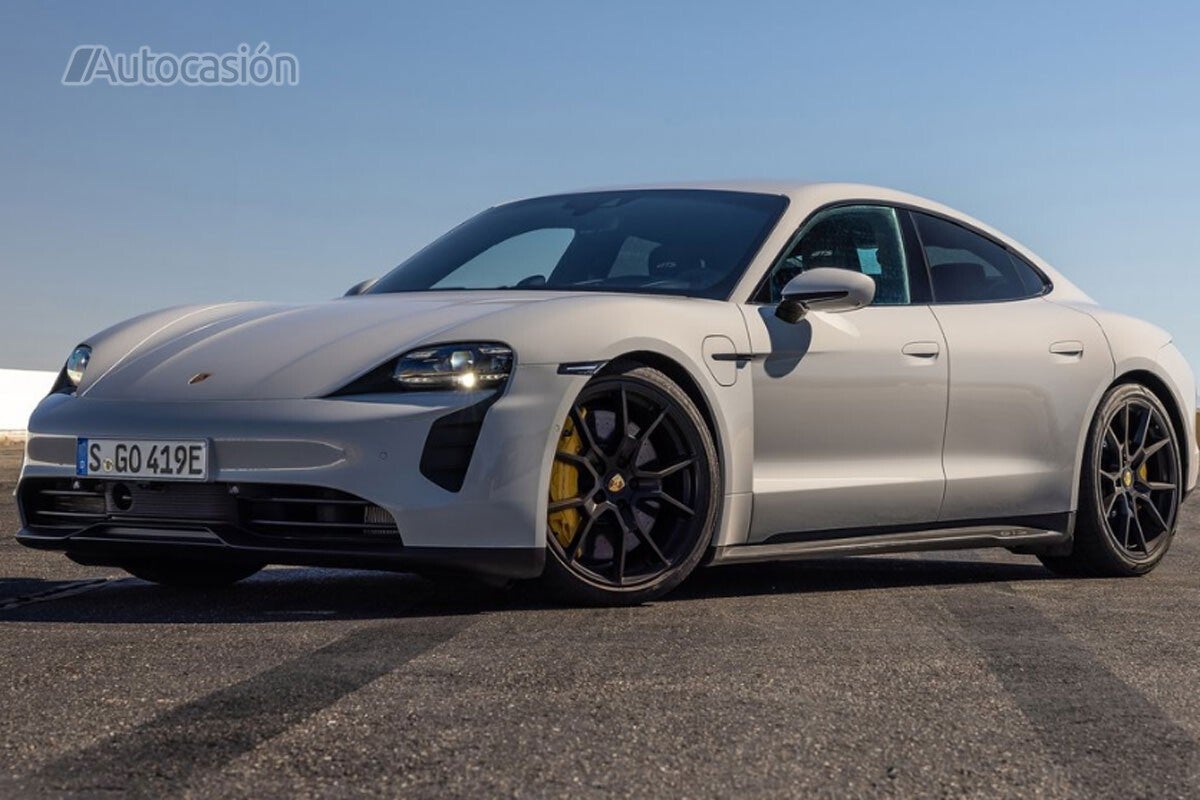
The most desired future electric cars, according to Google : Porsche Taycan
Thus, it has submitted to the German Patent and Trademark Office (DPMA) an information system that will alert on various aspects of the vehicle and show emergency personnel where shears can be applied and rescue spreaders in the most efficient way without cutting high voltage cables, batteries and other components.
According to the patent, the multiple electronic displays inside and outside the vehicle can be read as two-dimensional images, like QR codeswhich convey a lot of information in a small image.
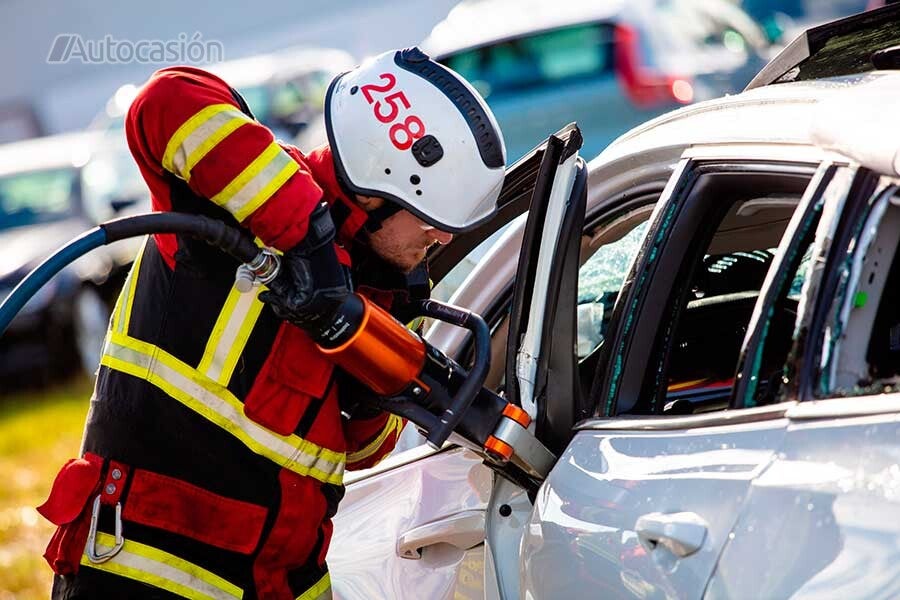
Porsche points out the possibility of placing a screen (or several) both inside and outside the vehicle, which will display information even without power supply. In addition, the reduced size of the screen will minimize the risk of damage in the event of a collision.
Porsche proposes a multi-level display system. The main screen will indicate whether the electric motor is working or not and will warn the rescue teams if there is a risk of the vehicle accelerating unintentionally or that its circuits are live.
You are going to crash… how can you protect yourself?
The displayed QR code will include second level informationsuch as a link to the safety information of the vehicle in question, information on the optimal points to apply rescue shears and spreaders, the types of glass used in the vehicle, diagrams of the routing of high voltage cables inside the vehicle, the deployment status of the airbag and the seatbelt pretensioner, and any warnings about the status of the battery.
With this information at hand, rescue operations will be safer and more efficient, and the system could even be linked to the biometric data of the vehicle’s occupants to notify medical teams in advance and help them better prepare for extricating the occupants from the wreckage.
View model information

