

 Ruben Fidalgo
November 08, 2022
When buying a second-hand vehicle, a series of considerations must be taken into account. In the case of wanting to buy a van, it is important to take all this into account to avoid surprises.
Vans are a type of vehicle that have a series of special conditions that should be taken into account when buying second-hand. Of course, all the advice that we have given you in other reports on what to consider when buying a used car They are also valid for second-hand vans, but, in addition, we must pay special attention to the details that we give you below.
Seniority and ITV
Vans are approved as industrial vehicles and this means that their ITVs have a different frequency than in passenger cars. This must be taken into account because they are annual from the second year of the model’s age and become every only 6 months in those that are more than 10 years old. This means that, although the price of a van over 10 years old may seem very attractive to us, having to pass the ITV so often it can cause us not to compensate. It is not only the inconvenience of losing a day of work every six months plus the cost of the inspection itself, it is that this periodicity also increases the probability of having to carry out more or less expensive repairs to be able to pass the testsespecially those related to emissions.
who has used it
It is also important to take into account who the previous owner was. Here we can distinguish three cases:
- A freelancer or individual: in the event that the van has been purchased by a freelancer or an individual, we must request the maintenance history and the invoices of the repairs carried out. If you don’t have them, we can be suspicious. It is strange that a freelancer does not keep the invoices for the expenses of the vehicle with which he works. Here are the two extremes. The normal thing is that being the owner of the vehicle has taken care of it because part of the benefits of it depend on a good conservation of the van and a correct maintenance. However, there are also those who simply buy the van and use it recklessly until they give up. This second case is the least frequent.
- Company with an assigned driver: The van has provided service to a company but the vehicle has always been used by the same company employee. It is usually the best alternative. Companies usually have these vehicles through renting or leasing that are responsible for maintenance and, by having a single assigned user, he is usually responsible and also keeps it in good condition because it is his tool and where he spends his working days.
- Company with several drivers: It is the worst possible scenario. By not having a single driver and being rotated by several hands, they tend to be worse treated.
what have they transported
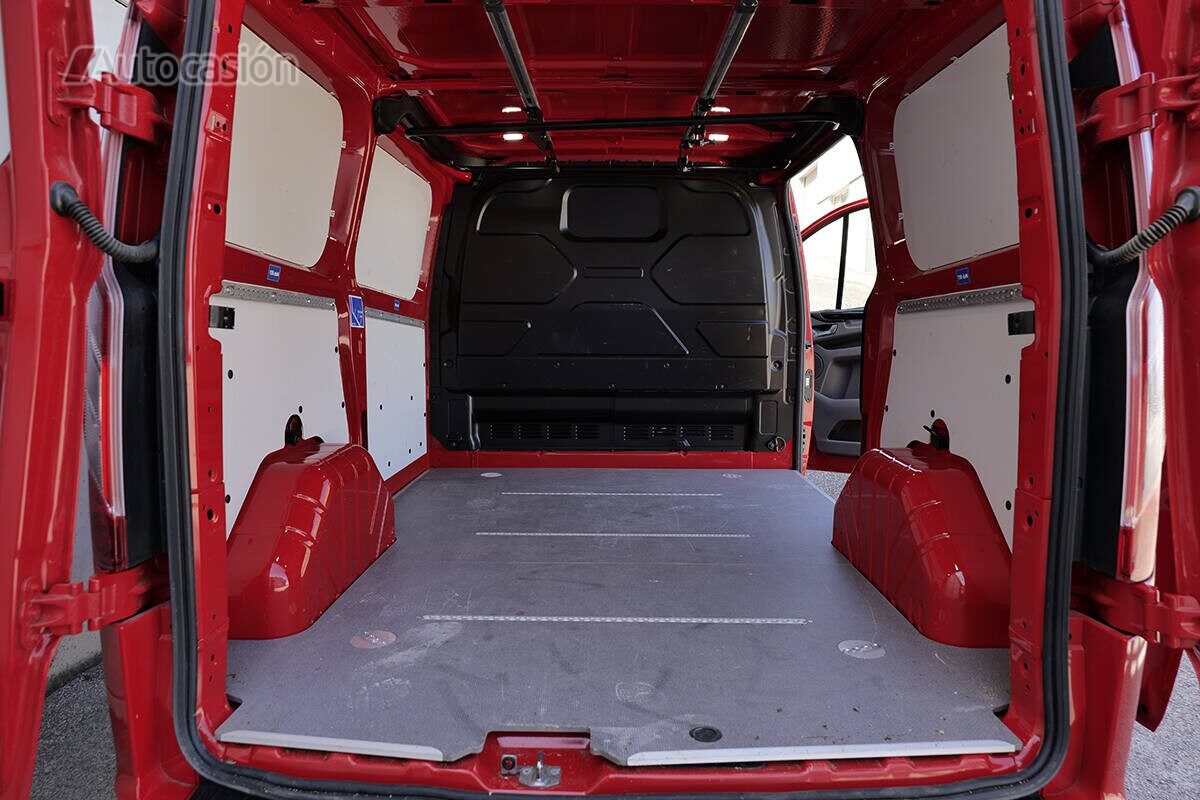
The wear is not the same in light parcel vehicles than in heavy loads.
More than the kilometers you have, it is important to know how those kilometers have been done. Transporting light parcels is not the same as having worked for a masonry company and having been loaded to the maximum legal weight. It is true that urgent parcels usually circulate “at full speed”, but those that have transported heavy goods tend to have suffered more significant wear.
It is also important to know if they have been vehicles destined for routes or delivery, because breakdowns and wear vary. A delivery van is more likely to have problems with anti-pollution systems and clutches, while the road ones usually have more wear on elements such as the turbo, injectors, transmissions, etc.
Who is the owner and domain reservations
Vans are usually vehicles that users normally acquire by leasing or renting instead of buying them as property. This is important to take into account when buying it and make sure that we are dealing with the legal owner of the vehicle. Before closing the deal, we must make sure in Traffic about possible domain reservations or pending charges that that vehicle has. because later we may have problems making the transfer. It is not uncommon for individuals to put up for sale vehicles that are leased, collect the money and then walk away. Make sure that you pay the legal owner of the vehicle and that he is the one who signs the documents and paperwork.

