

Volkswagen Group is currently dedicated to total electrification of practically all its brands. For obvious reasons, most of your investment is in this technology that will be king in the future. However, it does not want to abandon other alternatives that are currently viable and that will continue to be so in the short and medium term. That is why he has entrusted Skoda the mission of the development of combustion engines for the entire Group in the coming years.
The truth is that it is an exemplary responsibility, since combustion is not totally dead for them. In fact, they confirm that it will be in no less than 50 models in seven brands within the Volkswagen Group. Skoda will be exclusively in charge of the development of the EA 211 family of engines, the most recent. To date, the Czech brand had been making the MPI naturally aspirated engines of this series, but now will also take care of the turbocharged TSIwhich are much more widespread worldwide.
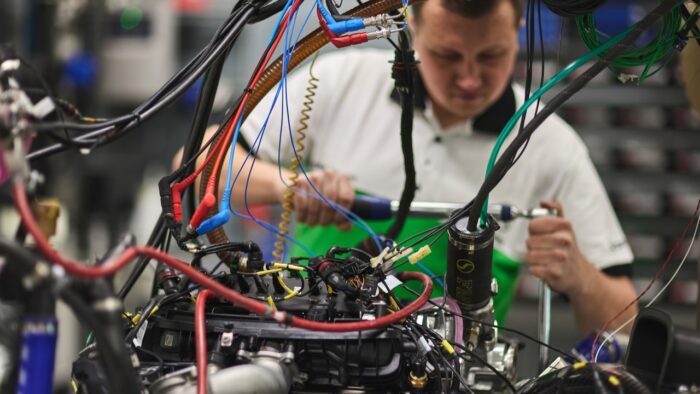
Although the truth is that it is not the first time that Skoda is the head of something globally within the Volkswagen Group. They have also been the ones who developed the MQB A0 Global platform that gives life to the utilities of the different firms. Not to mention what they do drum brakes for the whole group or that they have created the next Volkswagen Passat, along with their Superb. And as for the production of engines, their experience begins in 1899, when Laurin and Klement made their first bicycle with an auxiliary engine.
Since then it has rained a lot, but in 1991 when Skoda joined the Volkswagen Group it took part of its tradition. In 1997 they began to make in Mladá Boleslav the mythical 1.0 MPI and then followed by the 1.2 HTP of the previous EA 111 series of which they were sold more than 3.5 million units in different models. In 2012 they already incorporated the EA 211 family with the latest 1.0 MPI and an advanced engine center that allowed them to increase their capacity.
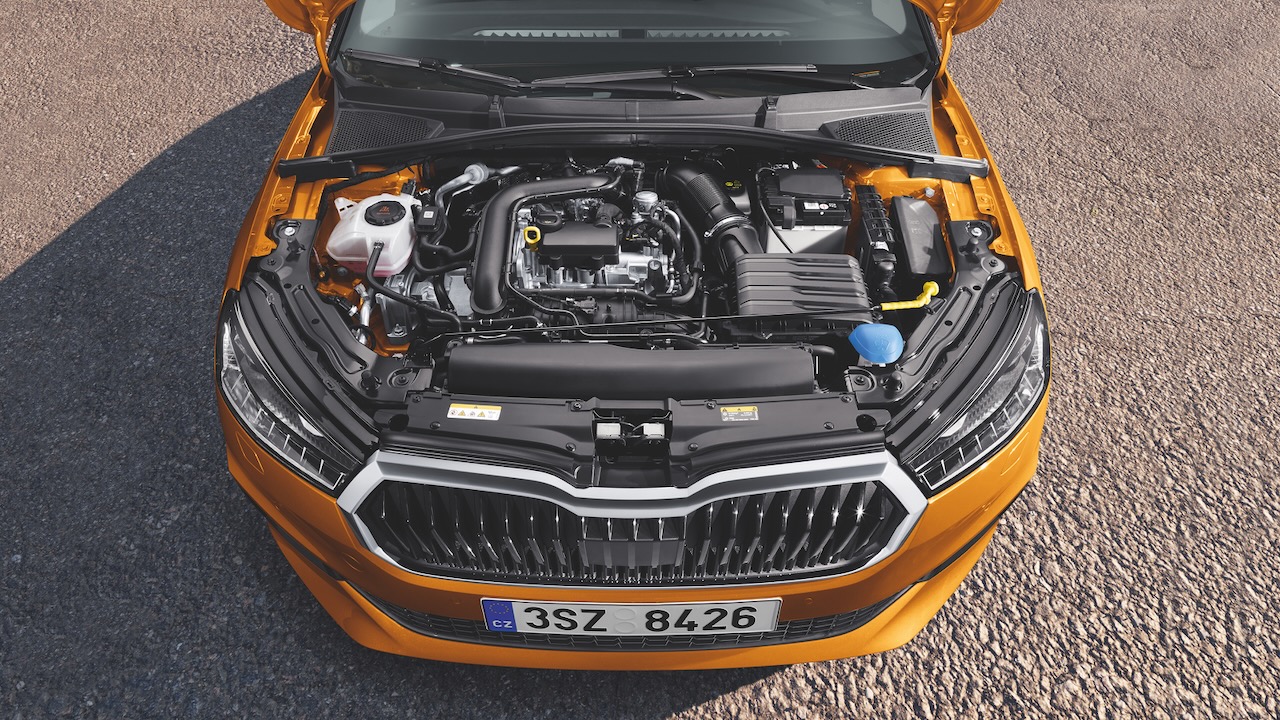
Now they will all three and four cylinder engines, atmospheric and turbocharged, with powers ranging from 65 CV to over 150 CV. Many of them will be dedicated to creating hybrid propulsion systems that are the order of the day today. They will also continue to develop even more powerful and efficient engines, with an emphasis on offering the highest possible reliability.
Photo gallery:
 1/5Photos
