

 CDA
CDA
January 10, 2023
Not giving the correct information about the autonomy of an electric car has a fine in South Korea: ask Tesla,
Many drivers complain that the autonomy of electric cars in real conditions is less than what the manufacturer itself announces, especially when the weather temperatures drop.
In South Korea they have gone a step further and have taken more forceful measures. Thus, the antitrust regulatory body of the Asian country has announced that it will impose a fine of 2,850 million won (about 2 million euros) Tesla for not informing its customers of the lower autonomy of its electric vehicles at low temperatures.
The Korea Fair Trade Commission notes that Tesla has exaggerated the “ranges of autonomy of its cars on a single chargeits fuel economy compared to gasoline vehicles, as well as the performance of its Superchargers (the US brand’s own chargers)” on its official website from August 2019 until recently.
Did not report lower autonomy at low temperature
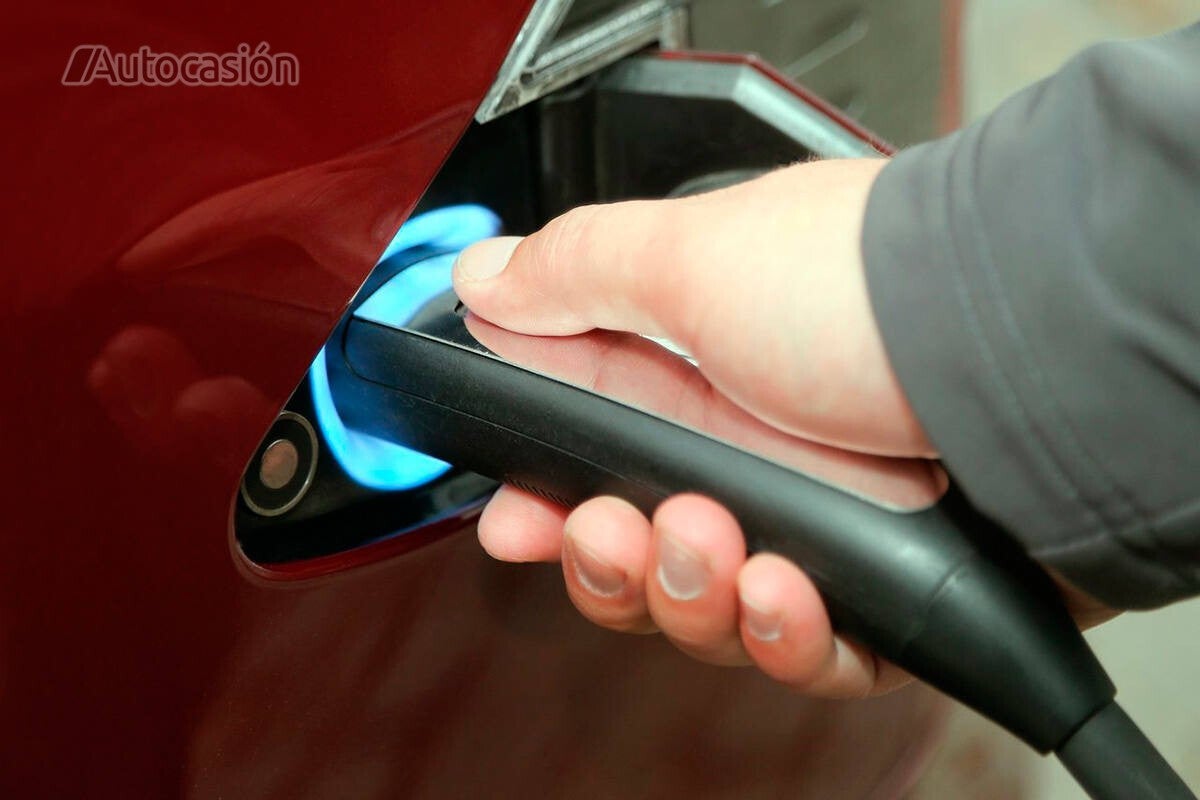
A user charging his Tesla
The driving autonomy of the cars of the American manufacturer of electric vehicles plummets in cold weather up to 50.5 percent compared to how they are advertised on the aforementioned website, as indicated by the South Korean regulatory body in a statement.
On its website, Tesla offers winter driving tips, such as pre-conditioning vehicles with external power sources and using its updated Energy app to monitor energy consumption, but does not mention the loss of autonomy in temperatures below zero degrees.
The best-selling electrics in our country
In 2021, Citizens United for Consumer Sovereignty, a South Korean consumer association, denounced that the range of most electric vehicles decreases by up to 40 percent with low temperatures when you have to heat the batteries, and that Tesla is the one that suffers the most from the consequences, citing data from the country’s Ministry of the Environment.
It is not the first time that the Korea Fair Trade Commission has taken action against a manufacturer. Last year, he fined Mercedes-Benz and its Korean unit with 20,200 million won (almost 15 million euros) for misleading advertising related to the emissions of its diesel passenger cars.

