

In Mexico during 2020, 70% of registered road deaths by type of user correspond to Vulnerable Road Users:
- pedestrians
- cyclists
- motorcyclists
Technologies like:
- Electronic Stability Control (ESC)
- Autonomous Emergency Braking (AEB) for cars and vulnerable users
- Anti-lock Braking Systems (ABS) for motorcycles
help save lives and reduce injuries, which is why the New Vehicle Assessment Program for Latin America and the Caribbean (Latin NCAP), the Mexican Red Cross, the Mexican Organization of International Automobile Sports (OMDAI), El Poder del Consumidor and the Center for Experimentation and Road Safety Mexico presented the #StopTheCrash campaign.

This initiative conducts live demonstrations to drive the implementation of these technologies in all new cars from its basic version.
Likewise, it seeks to encourage the Mexican government to assume a leadership role in the continent for the incorporation of these vehicle safety technologies.
For his part, Fleets in Mexico have the potential to accelerate the incorporation of safer vehicles on the streets and highways through voluntary improvements in their purchase or lease policies for the units they use in their operations.

Even though that him Autonomous Emergency Braking, pedestrian protection, speed limiter and blind spot detection are mandatory in Europe, they were not incorporated into NOM-194 in its last review as mandatory in the future or encouraged, despite the fact that our country exports vehicles that do include these technologies.
In Mexico, the AEB and pedestrian protection could prevent 3,409 deaths per year.
For his part, he Electronic Stability Control, which is expected in NOM-194 to require as mandatory in Mexico for 2025 models, has an estimated potential to save up to 5,822 lives in Mexico per year.

Alejandro Furas, Secretary General of Latin NCAP assured that “the Latin American countries, and in particular Mexico, are far behind in regulations and regulations on vehicle safety, despite Mexico being the most prepared to comply with them. Autonomous Emergency Braking, pedestrian protection, speed limiter and blind spot detection among others, mandatory in Europe, were not incorporated in the latest revision of NOM-194. Knowing the great potential of technologies to save lives, it is necessary for the government to include the demand for these technologies and others on the agenda, along with independent information for consumers, with clear deadlines, and to accompany the process with incentives that cause voluntary adoption. as early as possible.”
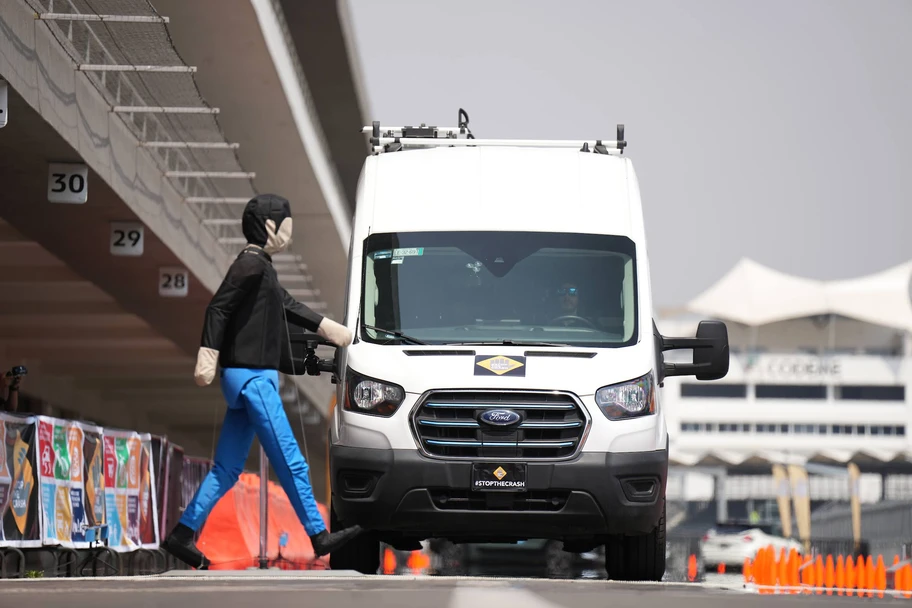
The Coordinator of Vehicle Safety Campaigns of El Poder del Consumidor, Stephan Brodziak mentioned that “As long as these technologies, already available in the Mexican market, continue to be voluntary for manufacturers, every year thousands of people will see their lives and those of their families affected. Every decision about the design of a car implies an estimate of the cost of human life; Due to the slow progress in the implementation of vehicle safety standards, we conclude that, unfortunately, for both the government and the automotive industry in general, the value of life in Mexico and Latin America is very low.”
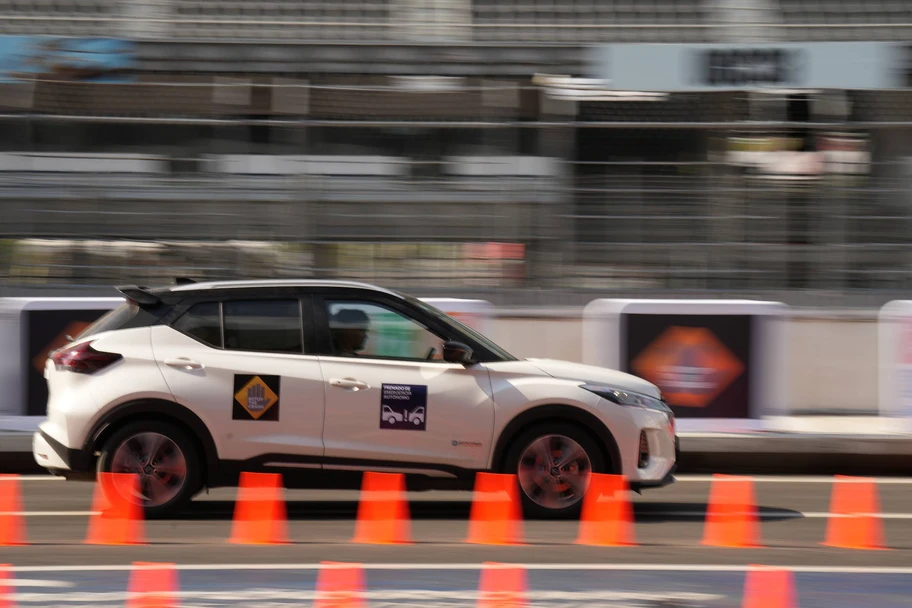
For David Ward, President of the Stop the Crash initiative “Safe and sustainable mobility is a constitutional right in Mexico and making accident prevention technologies a mandatory requirement will help achieve the national goal of saving lives”

