

Look, Peugeot have a long tradition manufacturing convertibles. Throughout its history it has been avant-garde in this regard, creating iconic models that broke the mold and has been able to give even the small 108 a cabriolet finish.
However, today, Peugeot does not have any convertible in its catalogue, quite an anomaly if we look back and review all Peugeot convertibles. Let’s start!
the first rafters
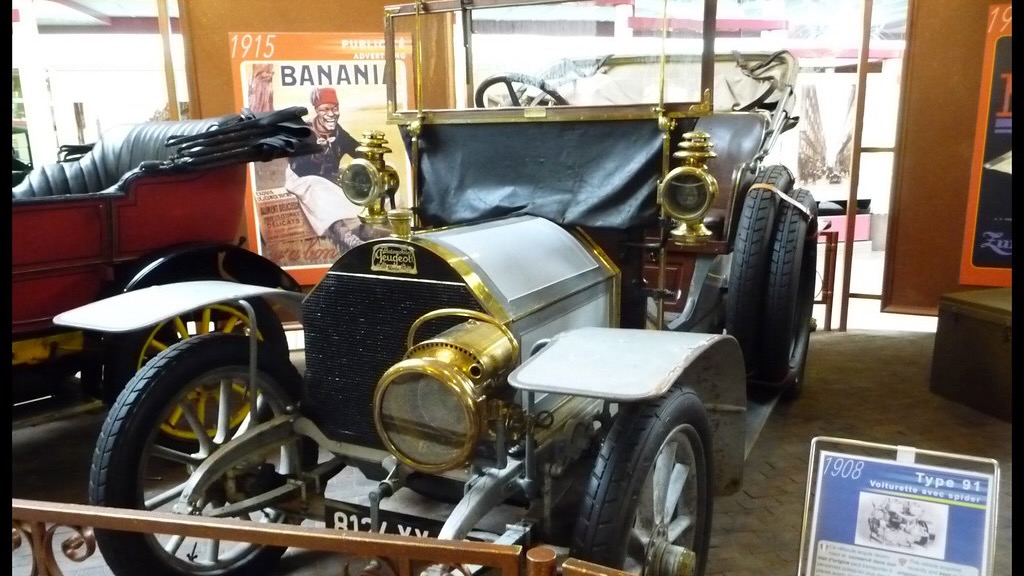
At the beginning of the 20th century, Peugeot began to sell several models in which the roof was an option, here we remember the spider Peugeot Type 91 (curiously with 6 seats), to Type 136 and to 144. Let’s say these were the original models that were born to lay the foundations.
Moving forward in time a bit, we arrive at 1934, we arrive at the time of the Peugeot 401 Eclipse, considered by many to be the first Coupé-Cabrio in history. The 401 revolutionized the concept of a “convertible vehicle” by replacing the fabric canvas with the hardtop in the same color as the body. For more taken out, this hood was collected and folded automatically. A job that set a standard for the industry at the hands of Georges Paulin (Design) and Marcel Pourtout (Bodybuilder).
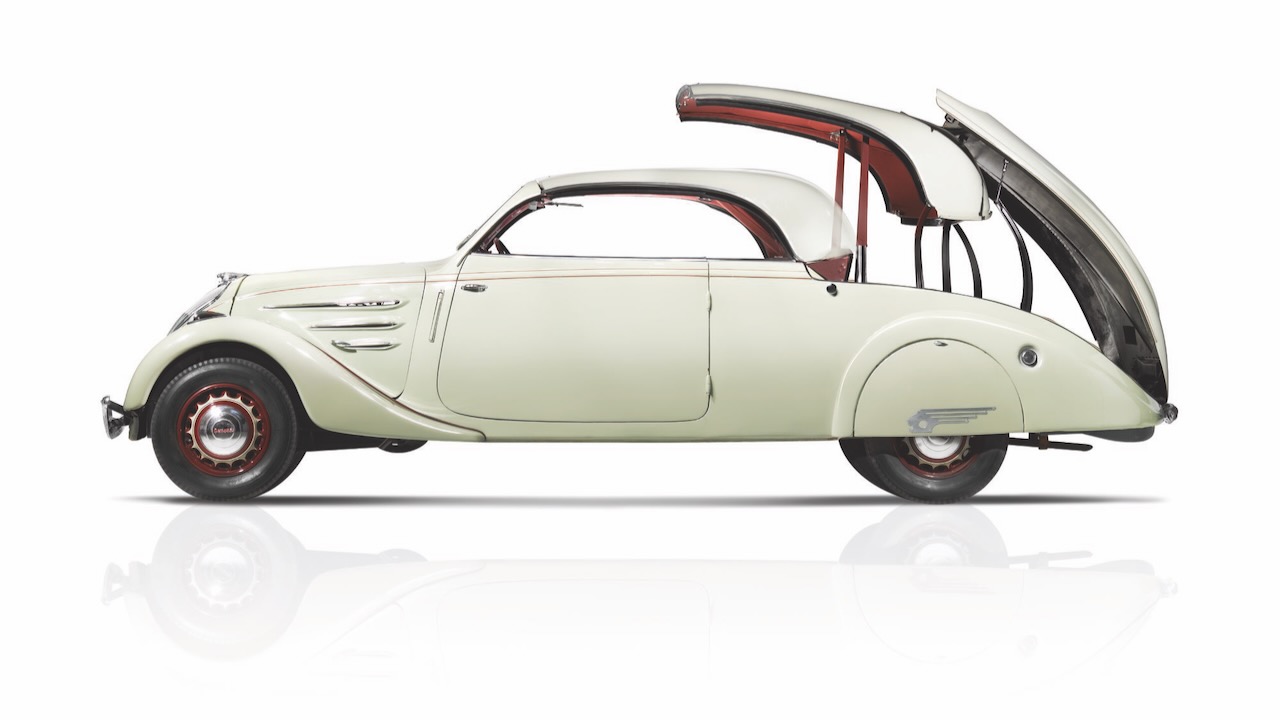
79 units of this convertible were manufactured with a 4.45 m long saloon base and a 44 CV engine and after the success, the 202 models (aka “El Bizco”), the 301, 402 or the 601.
The war and post-war period
Although the stoppage in world production was more than remarkable and more speaking of cabriolet vehicles, Peugeot created another convertible vehicle in the middle of World War II, let us cite in this historical point the Peugeot VLV.
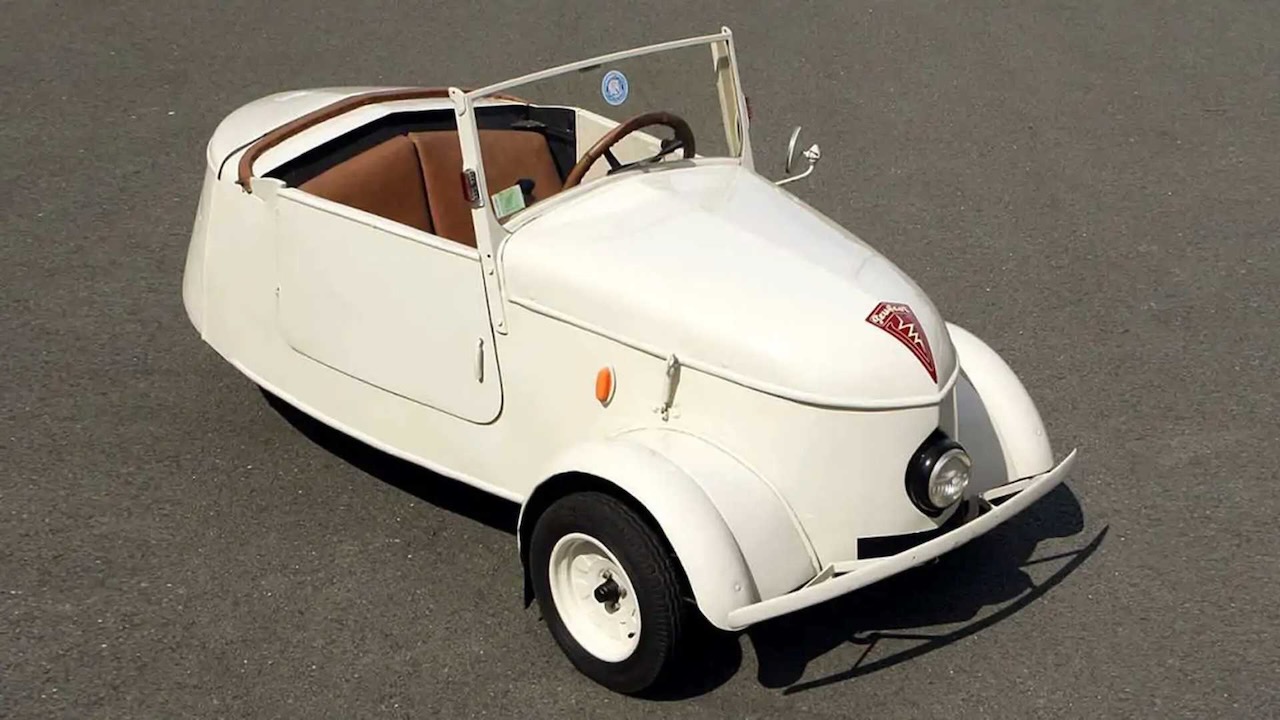
It was, he points out, a 2-seater electric mini-convertible with a range of 80 km/h, designed to ensure essential services during the war, such as postal services or medical assistance, in a period when hydrocarbons were reserved for what they were reserved.
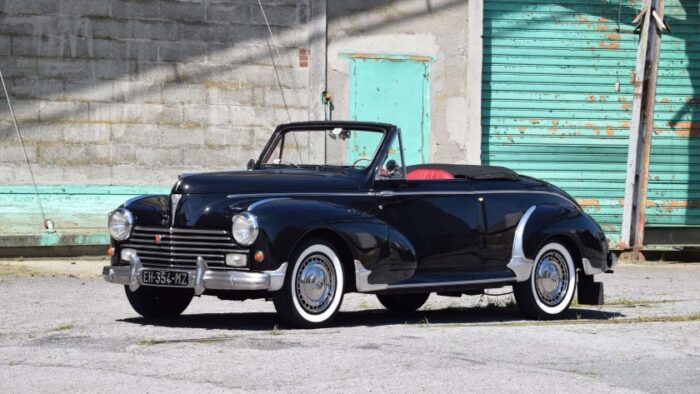
In the postwar period came the 203which included a convertible variant in its catalog and which did not have the desired success.
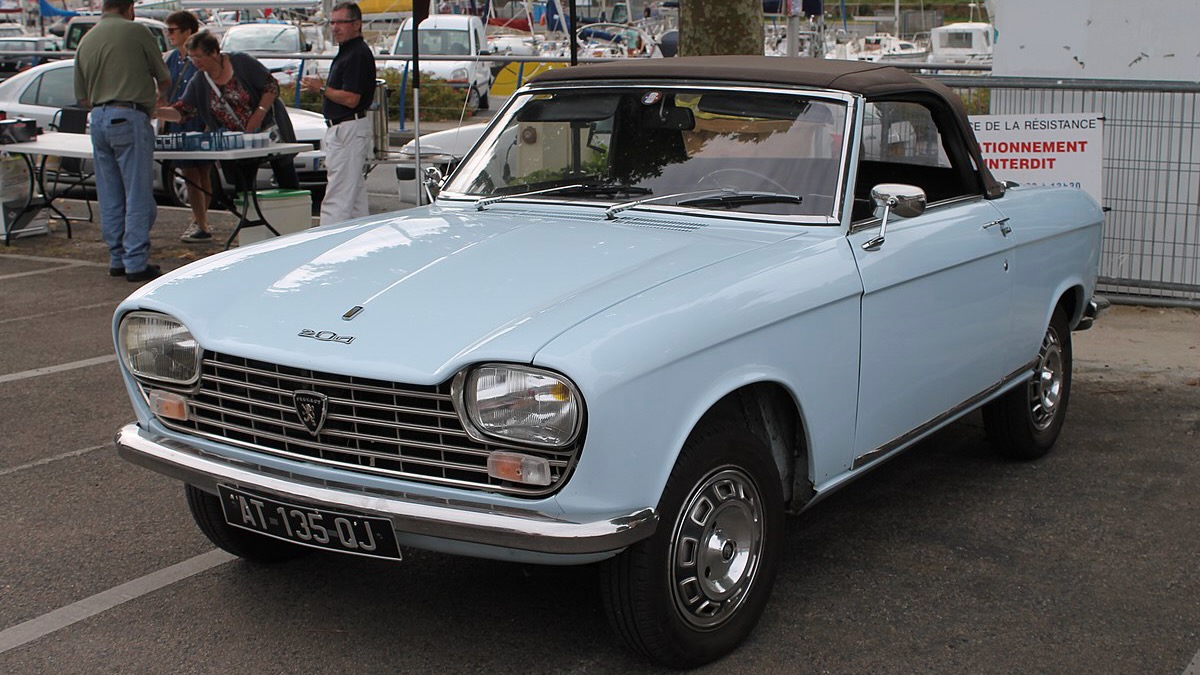
Its subsequent evolution, the peugeot 204 it did have more luck and was generally better received.
The dancers 50 and 60
The 50s and 60s were a decade of economic recovery, of rock n’ roll, of Hollywood and of peace movements. Globalization was beginning to take hold and it was becoming easier for European vehicles to reach the American continent.
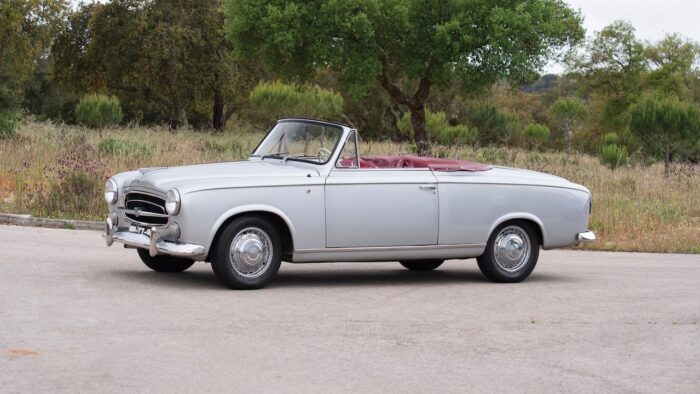
The sum of these factors made the Peugeot 403 Skip to American celluloid with the Colombo series, that gentleman detective with a hoarse voice and questionable methods chose 403 as his workmate, a 403 in a rather deplorable state. As a curiosity, years later this unit was auctioned for around €30,000.
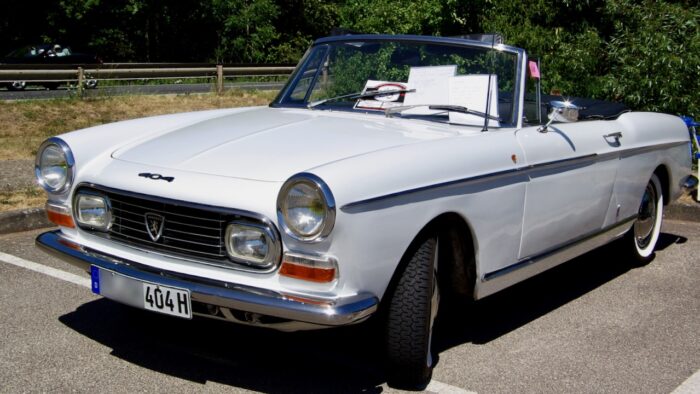
Already entered in 1960 the Peugeot 404 At the Paris Motor Show, with its refined and elegant profile, this CC was signed by Pininfarina and stood out for its reliability and remarkable behavior on the road. Smooth sides, a large windshield and shark fins following the American aesthetic canon were its 3 main characteristics to succeed in various markets.
1970 and 1980
Protagonists of the first decade cited: Peugeot 304 Coupe Cabrio and Peugeot 504, also CC. The latter being the most innovative and avant-garde. What’s more, the design of the 504 continues to be a source of inspiration for Peugeot’s current models and concepts, such as the Peugeot e-Legend Concept.
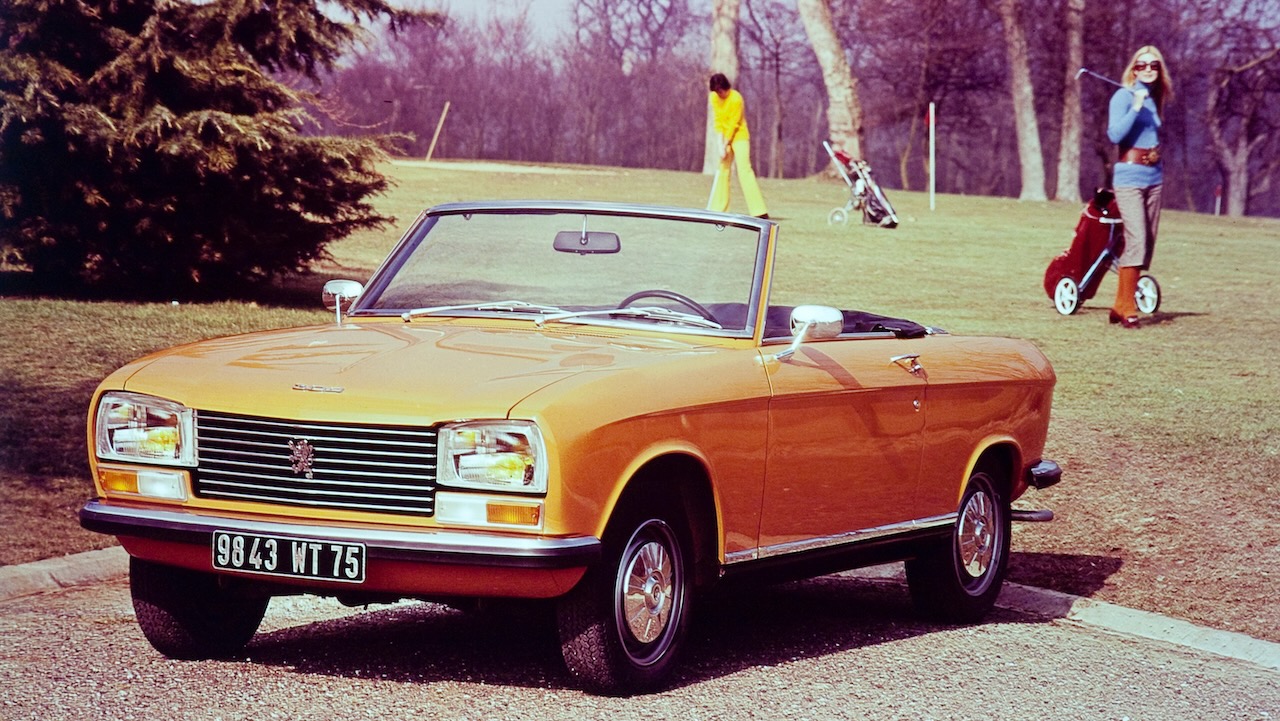
We also highlight the triple rear headlights of this classic and its front with square headlights. Undoubtedly a legendary and robust vehicle in equal parts since the base of the 504 competed in the Safari Rally of 81 and in the Bandama Rally of 76 and 78.
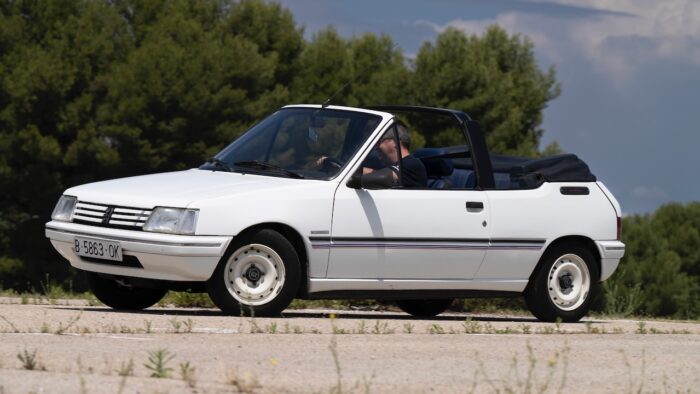
Having seen the models from the 80s, we have to talk about the 205. MYTHICAL. ICONIC. Call it what you call it, label it how you label it, this little number revolutionized the roost in the house of the Lion. Its cabrio version, the Peugeot 205 CTi It was born in 1986, signed again by Pininfarina and was based on the legendary 205 GTi with which it shared an engine, hence its acronym CTi. In another order of curiosities, this CTi had its Roland Garros version, like many other brand vehicles.
the nineties
After the success in the segment with the 205, the cabriolet range jumped up in category with the Peugeot 306another timeless classic from Pininfarina in this case characterized by 4-seaters, sloping windshield and an infinite range of colours.
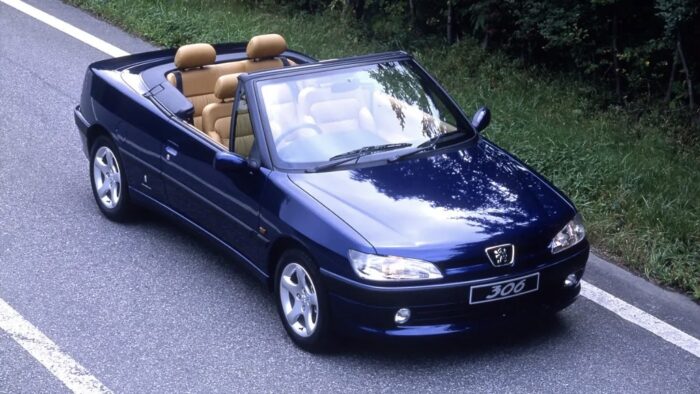
During this decade there were no more convertible representatives, but at the end of the decade the Peugeot 20Coeur concept was presented in 1998, which laid the foundations for what would be Peugeot convertibles in the 21st century.
The 2000 and the… last convertibles?
Taking up the trail of the 401 and what was presented in “Paris – 1998”, Peugeot compiled the best of its convertibles to transfer them to the new generation of the 200. The innovation was baptized as Coupé Cabrio with rigid roof, presenting itself as a variant bodywork of the base of the 206 that had its continuity with the logical evolution in the Peugeot 207 CC of 2007.
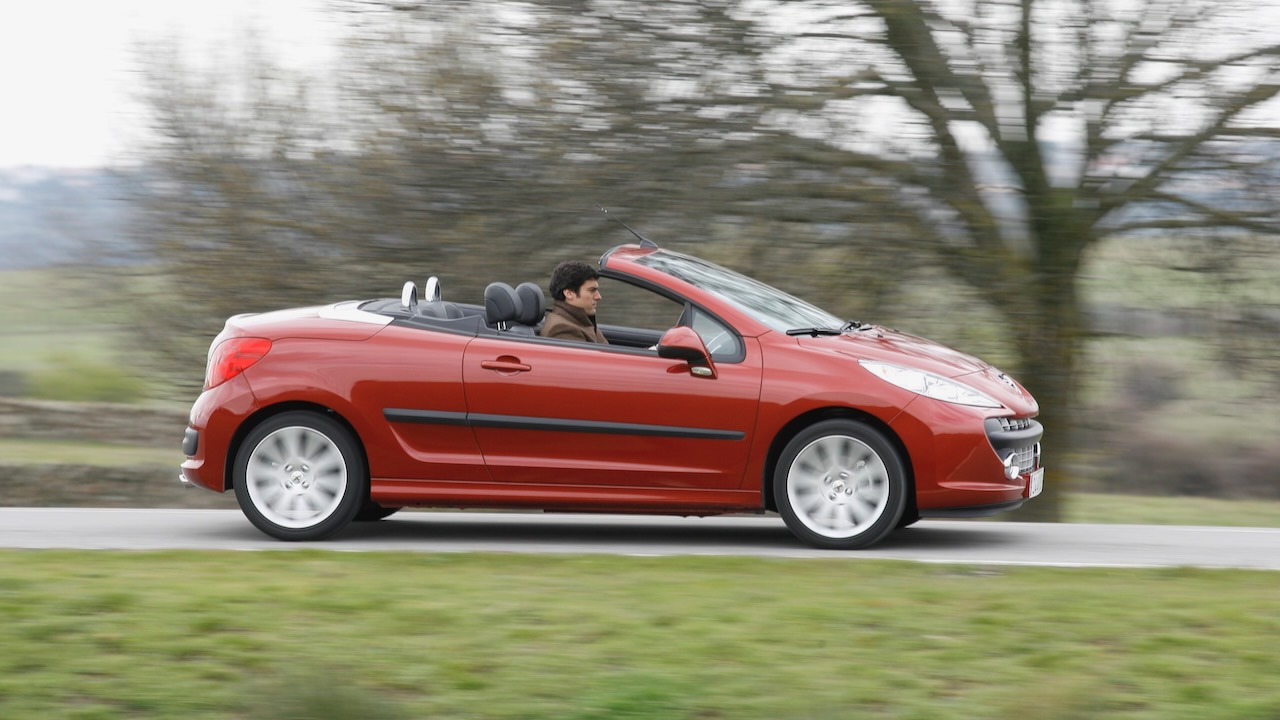
This concept jumped segment again with the arrival of the version 307 CC of what was a car in Europe in 2002. This CC, older brother, stood out for its mechanics of up to 177 CV and four fairly spacious seats. Later the 308 CC also offered an alternative with a rigid folding roof and a THP engine that produced 200 CV.
The title of “Last of the Peugeot Convertibles” falls under the 108 Top!this time with fewer aspirations and a soft top on the roof.
We’ll see if the Leon brand surprises us in the future with a conceptual design of what could be its new cabrio. Fans of cabrios, leave in the comments if you had one of these models or if they just made you turn your head when you saw them go by.
Source: Alamy, Sothebis and Peugeot

