

2 photos
 Author: Autocasion
October 25, 2022
In the conference “Mobility: reality, myths and lies” organized by Ganvam, the paradigm shift that the automotive sector is experiencing has been addressed, among other things.
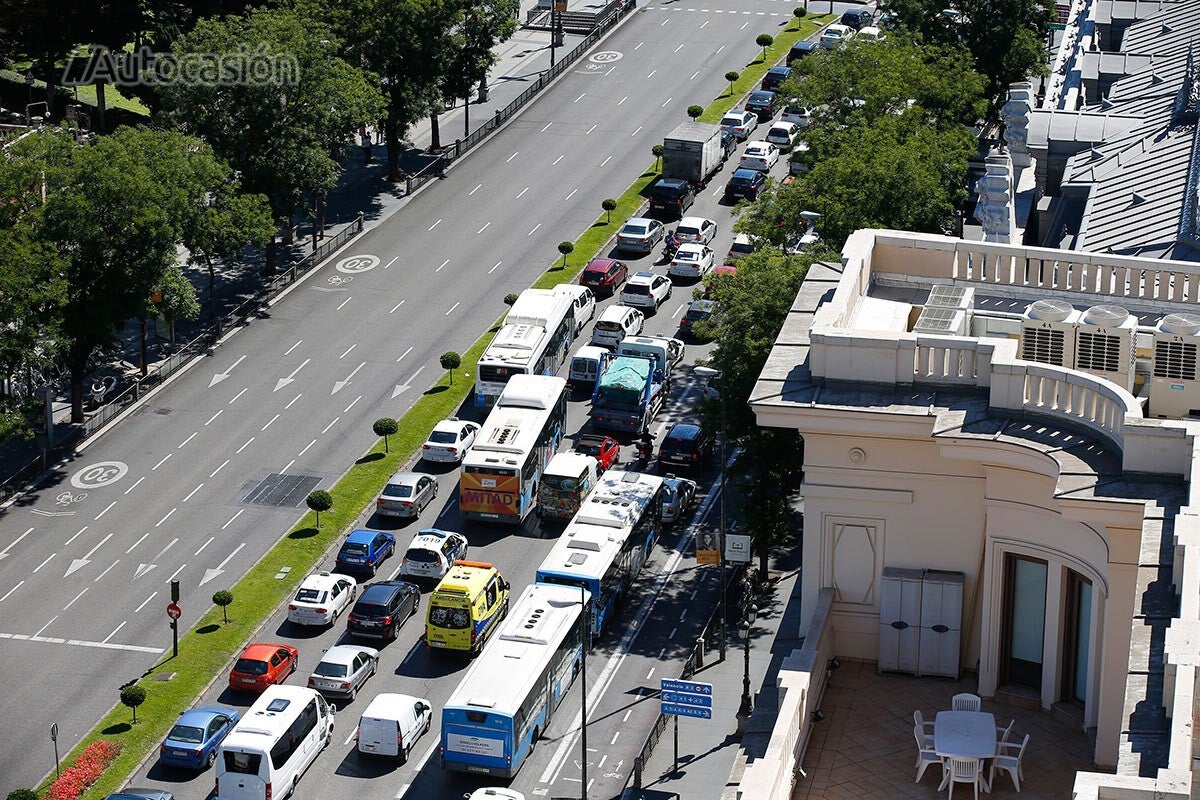
At a time when Germany has decided to turn around its climate neutrality strategy, reducing incentives for electric vehicles and questioning the end of the sale of combustion vehicles by 2035, the Spanish mobility sector recognizes that policies of mobility should be carried out by asking the user for their opinion.
In this way, during the conference “Mobility: reality, myths and lies” that the employers of vehicle distribution organized today in Madrid in collaboration with the consulting firm NTT Data -with which they want to mark the birth of a new sector in which the automotive industry gives way to the mobility services industry-, the general director of Ganvam, Fernando Miguélez, exposed the “convictions” that the employers have about this new model that it has brought with it “the change of era that the sector is experiencing”.
“Citizens’ change in mindset is accelerating the transformation towards mobility, and these should be the ones setting the pace for decarbonisation. The reinvention of the distribution model, the challenges of decarbonisation and the different tools we have to face them, as well as the increased travel to the detriment of propertyare some of the realities that we are already experiencing and that we are going to analyze and measure from now on”, Miguélez pointed out during his speech.
The meeting has acted as a forum in which distributors, manufacturers (represented by the ANFAC General Director, Jose López-Tafall), dealers (represented by the General Secretary of the Mercedes-Benz Dealers Association, Borja Llordén), renting companies (represented by the president of the AER, José-Martín Castro) and the electric mobility industry (represented by the general director of AEDIVE, Arturo Pérez de Lucia) have analyzed the impact of the ecological and digital transition in the automotive industry.
You may be interested: 2 months to go before cities close to most cars
Although the revolution in the automotive industry comes from the hand of the “electric, connected and autonomous vehicle”, as pointed out by the general director of AEDIVE, Arturo Pérez de Lucia, One of the biggest challenges the sector is facing is decarbonisation. For the electric mobility association we have to meet the requirements to achieve climate neutrality, but “offering the customer what he really wants”.
In this sense, the representatives of the different associations have agreed that the private vehicle does not respond to all the mobility needs of customers, so it is essential to offer flexibility. However, as the general secretary of the Spanish Association of Mercedes-Benz Dealers and representative of Faconauto, Borja Llordén, has stressed, the challenge will be in “make these flexible mobility models profitable”.
Faced with this reality of changing the model, the general director of ANFAC, José López-Tafall, pointed out that “brands have to change their way of producing cars and dealer networks also have to adapt to new mobility services”, since the challenge is to respond to the needs of users while meeting the demands set by the decarbonization challenges.
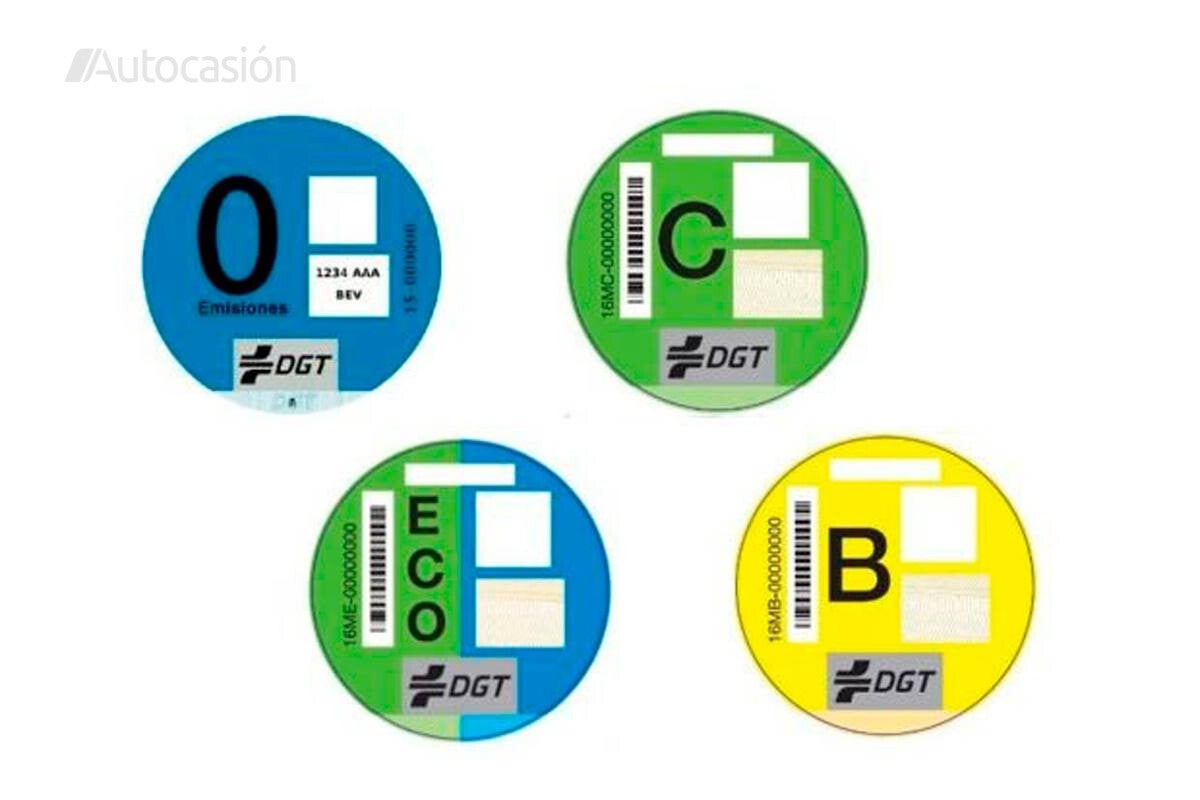
A system of environmental labels that can be improved
2 photos
On the other hand, the debate about the current mobility offer was put on the table and if it really responds to the needs of the users. To answer this question, the coordinator of Mobility of the Madrid City Council, Federico Jiménez de Parga; the coordinator of the Mobility Institute (RACC-Deloitte), Ricard Casalins; the Head of Fleets, LCV, Remarketing and Residual Values of Hyundai, Damian Tokmayier and the Director of Business Development Large Accounts of Caser, Fernando Martín Ponce, who also discussed the role played by the private vehicle in mobility policies in a context in which you aspire to return to the citizen the “space monopolized by cars”.
Regarding whether the mobility offer is what users expect, the person in charge of Mobility Projects at RACC and coordinator of the Mobility Institute, an independent platform created by the RACC and DELOITTE, Ricard Casalins, highlighted that “30% of users in large cities are not satisfied with the mobility offer”, which they consider does not respond correctly to their needs.
Given this information, the General Mobility Coordinator of the Madrid City Council defended the “freedom of mobility options”, without forcing users to how they should move, but rather giving them the widest range of options in order to respond to individual mobility needs. of each citizen. In addition, he highlighted that the current system of environmental labels is “manifestly improvable” and proposed a revision of the system, in which the challenge of the event’s participants agreed.
In this sense, the speakers also agreed that an effective roadmap towards climate neutrality must respect the principle of social cohesion and, therefore, guarantee affordable and accessible mobility for all incomesin which the vehicle is an extension of individual freedom and not a luxury good within the reach of a few.
Thus, promoting the renewal of the park becomes a key point to meet these objectives, although the traditional approach of encouraging scrapping in exchange for the purchase of another vehicle must be expanded and also incorporate -following the example of the Community of Madrid- other formulas that allow citizens to benefit from aid for efficient mobility. Specifically, incentives in exchange for kilometer wallets that can be exchanged in the different sharing solutions reduce the number of vehicles in circulation and free up public space.
Car sharing is also for the rural environment
2 photos
In the debate on whether the mobility offer meets the needs of current users, the representative of the Business Development Department for Large Accounts at Caser, Fernando Martín Ponce, stressed that “the citizen has to be at the center of the model of mobility. We have to respond to his needs and prevent the ones he is going to have so that he can continue with his mobility and optimize his time”.
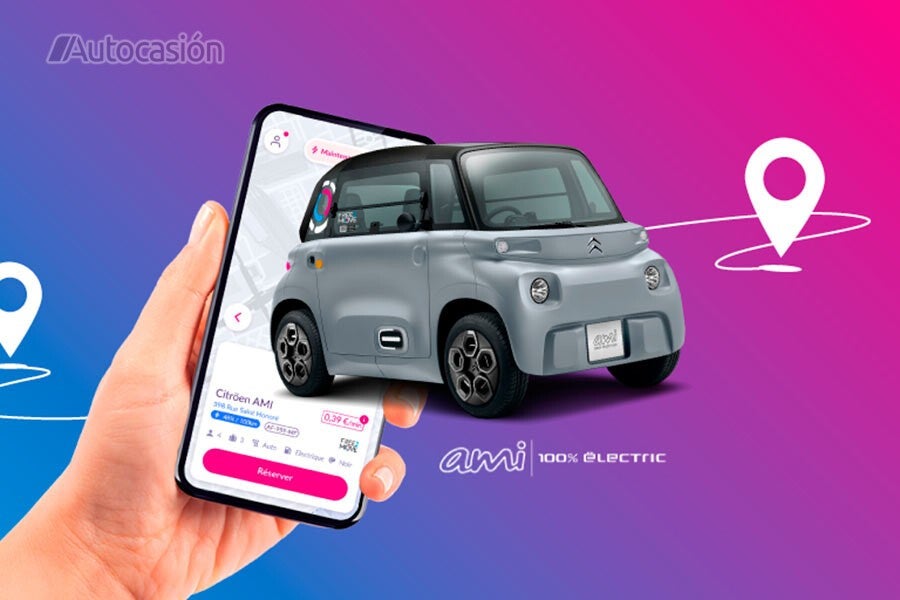
In this way, carsharing also stands out as an attractive mobility solution due to its flexibility and adaptability to needs, but not only in urban environments, but also in rural ones, being a complement to public transport. For Hyundai’s Head of Fleet, LCV, Remarketing and Residual Values, Damian Tokmayier, “there is a paradigm shift. People increasingly demand a different form of mobility, depending on their particular needs and we must adapt to it, not only in large cities”.
Precisely in this context where payment for use and connectivity are imposed, the automotive industry in general and distribution in particular is facing a change of model in which, -according to data from Ganvam- in 2030, only 25% of registrations will go to private buyers.
This displacement of new car purchases by individuals towards fleets and companies will bring about cheaper shared mobility services as a result of a higher rate of use of vehicles, which will have a positive impact on after-sales and on the second-hand market, which will become the main business of distributors given the trend towards direct sales by the manufacturer.
And it is that the increase in shared mobility, where vehicles have a high renewal rate, will improve the quality of the second-hand market, expanding the offer of young models and increasing the prominence of the professional seller over the individual.
Similarly, this shared mobility ecosystem will be possible thanks to connectivity, which triggers the debate on access to data. Connectivity must provide real value to the user through the collection of data, but the speakers at the conference agreed on the importance of managing it properly so that its use responds to real mobility needs.

