

chance
new
 christian garcia
May 22, 2023
The Japanese brand, a world benchmark in hybridization for decades, ensures that the transition to 100% electric must be carried out gradually and in an orderly manner, without imposing a specific mobility method on the population in the short or medium term.
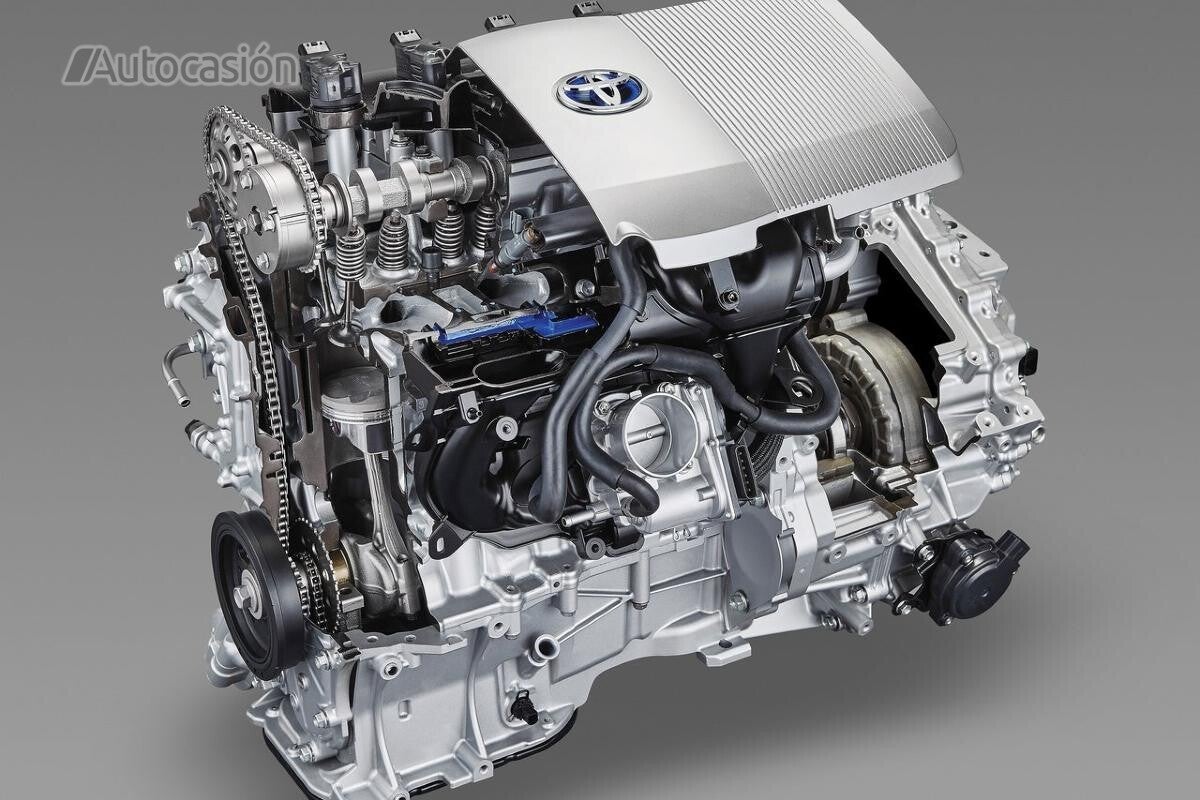
The Aichi brand was the first to bet so much and so strongly on hybridization, thereby paving the way for a new style of sustainable mobility and offering users a real alternative to save fuel and emissions. However, in recent years the concept of electrification has become widespread and, especially in Europe, administrations have imposed it above almost everything. So much so that from 2035 manufacturers will be prohibited from selling new combustion cars, except those that resort to so-called e-fuels. Well, according to Toyota, this rush to kill the heat engine could play a trick on us…
Lexus will lead Toyota’s electric transformation, according to Toyota’s new CEO
Despite having prepared a whopping 10 zero-emission models for the next three years, the Japanese giant, through the executive director of its Research Institute, Gill Pratt, has asked the different governments that were meeting in Japan for the G7 summit to hold a transition to electric in the most gradual and orderly way possible. Imposing a specific method of mobility on the population could create the opposite effect; that is to say, that drivers cling more than ever to the old thermal vehicles, something that would be totally counterproductive for the objective of reducing pollution.
“It will take decades to generalize the electric car”
The truth is that today financial incentives do not imply real aid to get an electrified car, no one escapes that electric technology represents a significant additional cost that not everyone can afford. For this and other reasons, the brand led by Koji Sato (Akio Toyoda’s replacement) believes that vehicle neutrality will take longer than people expect. “It will take decades even,” says Pratt, as battery mines, renewable energy generation facilities, transmission lines and seasonal energy storage facilities must grow.
Even so, Toyota claims to have the zero emission technology for when it is demanded by the client (we have seen it in cars like the Mirai or the bZ4X), but it is not yet the time to make it universal.
View model information

