

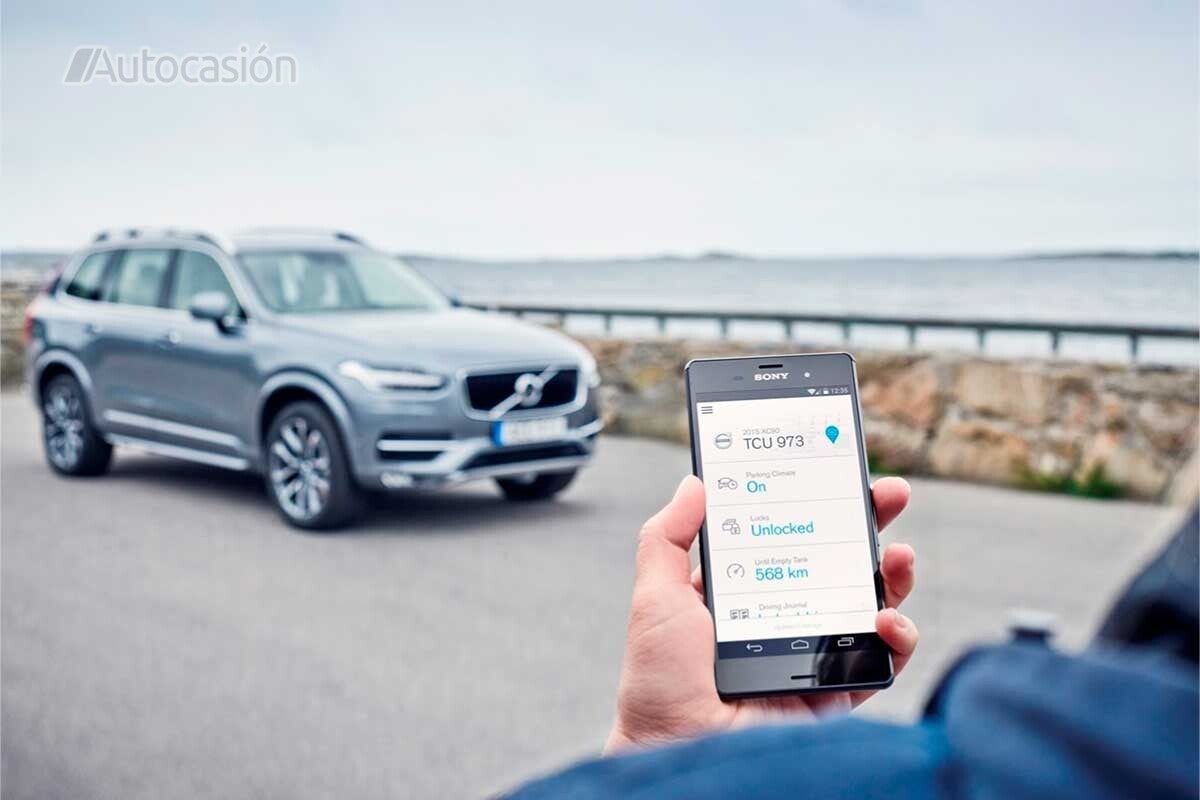
2 photos
 CDA
CDA
May 05, 2023
Volvo has filed a patent that attempts to prevent technological theft of its cars through a series of checks.
Car thieves are constantly updated and the lock pick trick already seems from Prehistory. Now they use technology and access to their “four-wheel victims” they do capturing the codes that are exchanged between smart keys and cars.
Given this, Volvo has filed a new patent with the United States Patent and Trademark Office (USPTO) that adds digital protections designed to stop modern car thieves from taking your vehicle.
Most stolen vehicles today fall victim to the digital duplication of the data transmitted from their own keys. The process consists of waiting for the owner to attempt to unlock the vehicle and jam signal.
2 photos
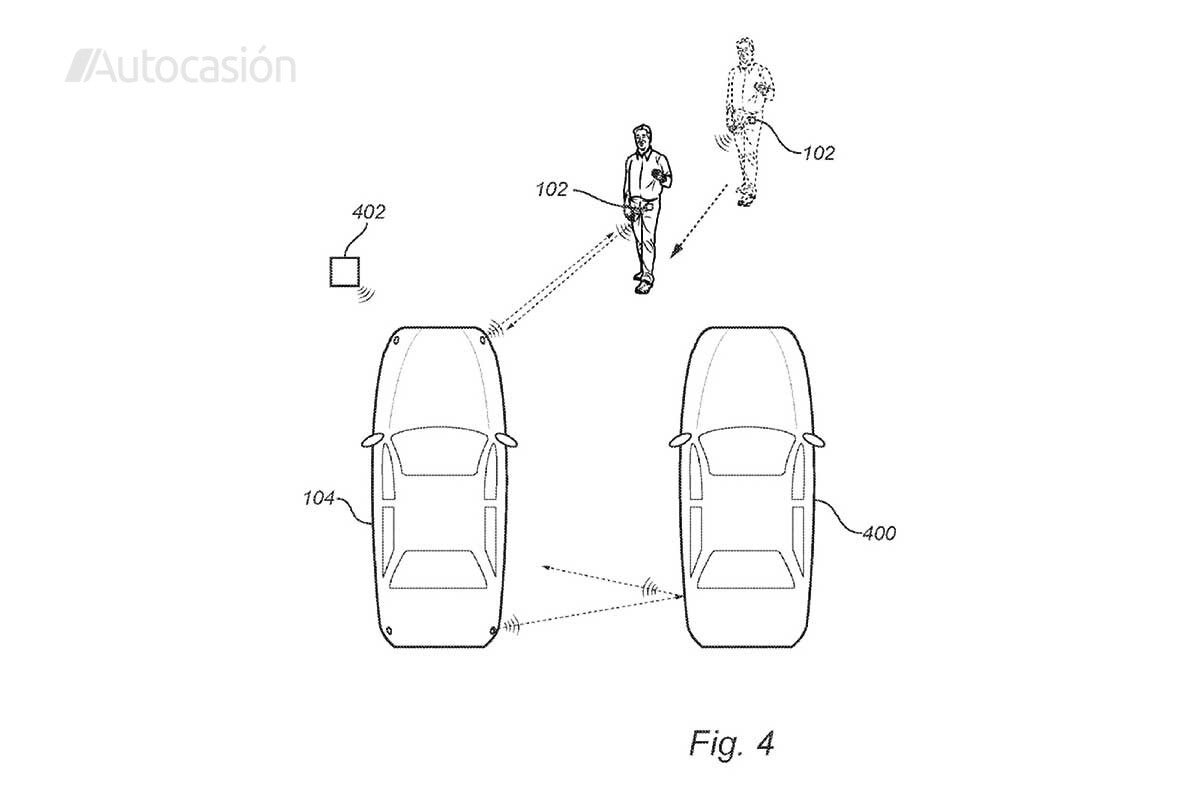
Volvo is developing a system that offers additional layers of protection to prevent password attacks. Volvo’s solution revolves around two-way communication between the vehicle and its access device, along with time calculations and distance estimates based on signal strength from the secondary acoustic sensors.
The vehicle first sends a time-stamped identification signal to the access device via a Bluetooth connection, which is returned to the vehicle to verify the first contact time. Then the vehicle create a new unique second identitywhich is sent to the access device and back to the vehicle through acoustic receivers mounted in the corners of the vehicle to determine the response time delay in communications and confirm the second unique identifier at the same time.
It may interest you: A Ford patent could block the car if it detects non-payment
It’s something like a two step authentication for carusing Bluetooth as the primary password and acoustic verification as secondary security.
By bouncing a signal between the vehicle and the device trying to access it, the car has a better idea of who is trying to break in. If the delay between the request and the response is longthe car will assume that it is not the key fob, smartphone or Apple Watch that is supposed to be given access and will try to cross the distance of the Bluetooth connection with the distance of the acoustic detection system.
If they match, no problem. However, if they end up being different, that probably means we’re dealing with a suspect and entry to the vehicle will not be allowed.

