

The workshops want to do their bit to contribute to road safety and minimize the environmental impact of cars, but drivers can do a lot if we take care of our vehicles. Above all, these ten points:
1. Shock absorbers
The shock absorbers provide driving comfort and represent a guarantee of safety as they help control the vehicle at high speeds and in risky situations. In fact, it is considered one of the three essential components of the so-called “safety triangle”, along with tires and brakes.
The proper functioning of a shock absorber depends on various factors, such as road conditions, vehicle load, mileage, and wear effects such as cold, heat, and humidity. The action of these factors causes the effect of the shock absorber to gradually reduce, until it stops working correctly. As it is not a very perceptible wear for the driver, it is advisable to carry out periodic reviews every 20,000 kilometers.
2. Wiper blades
In case of rain, the wiper blades play a fundamental role. If they do not sweep well and do not properly evacuate the water, (or hail or snow), they prevent precious information from reaching our eyes well. A few seconds can be vital.
You can extend the life of the wipers. Of course, when the brushes leave areas to be swept, cause strange fogging, make noise or jump, the time has come to replace them. ASETRA advises as appropriate its change after summer. There is nothing worse for its components than long sunny days and high temperatures. Now, in addition, they usually incorporate wear detectors that are very interesting to incorporate.
3. Filters
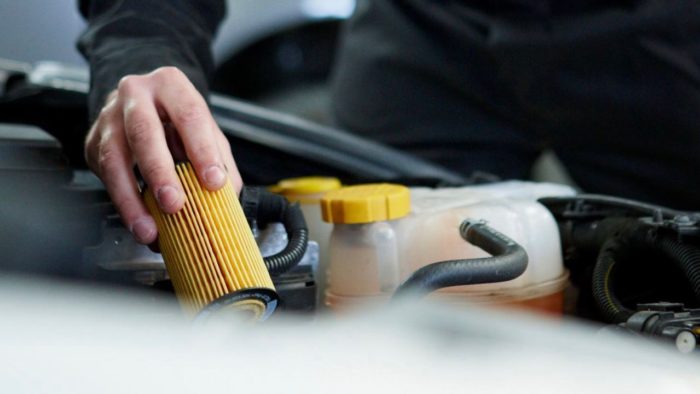
you should control them At least once a year. Various types of filters are mounted on vehicles:
The normal wear of the engine implies the appearance of metallic particles that detach from the components and end up in the lubricant. The oil filter’s mission is retain said particles that impair engine performance or even severely damage it.
Given that the oil replacement periods have been greatly extended in new vehicles and despite the fact that the quality of the filters has improved remarkably, it is essential to replace this element. every time the lube is changed. If you dare to change the oil yourself, you can follow these seven steps.
A filter in good condition guarantees that the air reaching the engine does not contain abrasive particles. In this way, combustion is carried out in the best conditions and fuel consumption is maintained at the levels included in the vehicle catalogue, as is the case with polluting emissions.
It is important that the filter is always checked during vehicle maintenance operations. The end of its life depends a lot on the places through which it circulates. Hence, in case of walking around dusty roads Normally, it is necessary to replace it much more frequently than if you drive in much cleaner environments.
Its operation differs if it is a vehicle of gasoline: remove impurities from the fuel before they reach the engine, whereas in vehicles that run on diesel oil They serve to eliminate water and prevent corrosion of the metallic elements of the engine. In both cases, their task is paramount to ensure engine health. They should be checked whenever the vehicle enters the workshop for maintenance.
If the rest of the filters that are mounted in a vehicle have the purpose of guaranteeing the health of the car’s engine, the cabin one deals with that of health of its occupants. How does he do it? “Trapping” dust particles and pollen grains that are suspended in the environment. Therefore, they prevent them from entering the vehicle and reduce their negative incidence, especially in allergy sufferers, as well as providing a feeling of cleanliness and well-being inside the passenger compartment. Important especially when traveling with an allergy sufferer.
4. Tires
Many factors influence the useful life of a tire: from the casing components themselves and storage prior to sale, to the way the user drives, or the weather and the characteristics of the pavement on which he rolls. Therefore, it is very difficult to determine an estimated number of kilometers (there are brands that last longer than others). However, being the link between the car and the road, its role in safety is paramount.
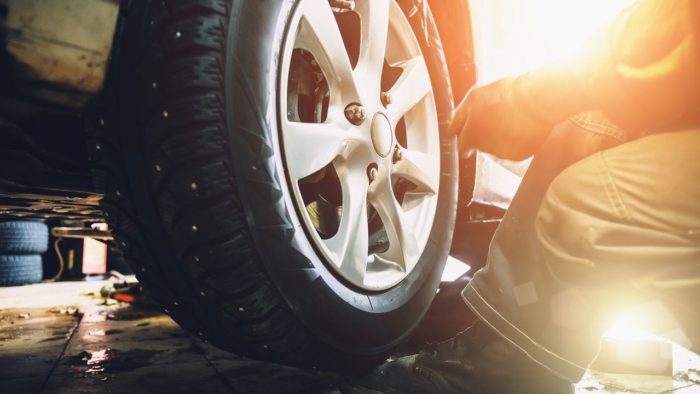
You must correctly maintain the pressure ratings recommended by the manufacturer. You should always be very aware of the appearance of vibrations and noises, of the abnormal wear (greater for some areas than for others), of any strange behavior detected during braking. It may be that the time for change has arrived and that they may even notify us of failures in other components related to security. ASETRA recommends going to a specialist at least once a year if the tires have been installed for more than four years, when the annual mileage does not exceed 14,000 kilometers. If more kilometers are done, it is advisable to visit the workshop before.
5. Brakes
With the brakes in poor condition, we will need more meters to stop the car in case of an emergency. The wear of the brake system components is highly dependent on the driving characteristics and also the usual way in which the vehicle travels (traffic jams in the cities, mountain routes, with abundant curves, etc.).
Therefore, it is very important that this system is reviewed by a specialist at least once a year. It is not easy to detect, since the brake components deteriorate little by little and, unless the difference is very marked (it goes to one side, it takes time to “react”, noises, squeaks, etc.) in which case the step by the workshop must be immediate. We have already talked about how to keep the brakes in good condition.
6. Lubricants
Lubricants minimize wear on engine parts, channel the metal particles arising from this wear to the filter, help cooling and prevent tiny leaks in the circuit due to their sealing properties.
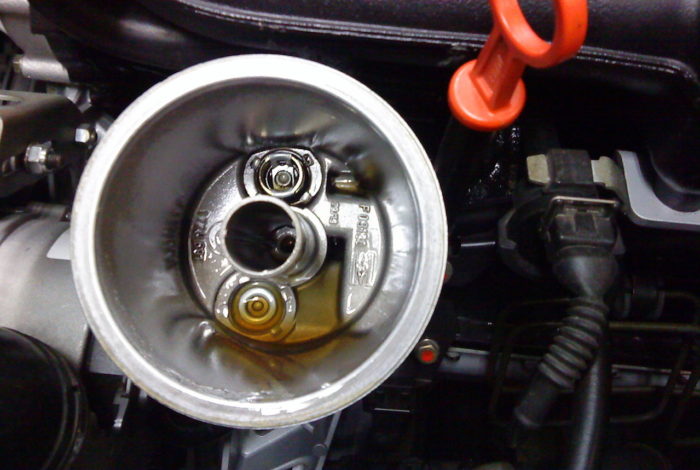
The useful life of lubricants has been greatly increased in modern cars. 20 years ago, the average change was around 5,000-8,000 kilometers, but today vehicle manufacturers talk about more distant replacements, above the 30,000 kilometers for their new models… although delaying more than 15,000 kilometers changing lubricants causes the engine to suffer excessively.
The workshops advise checking the level of the lubricant tank (every 1,500 kilometers), an excellent habit that saves a lot of scares… and that saves trouble and money. If you must replenish, choose the type of lubricant recommended by the vehicle manufacturer.
7. Lighting
Your vehicle’s headlights allow you to see…and be seen. It is no longer mandatory to carry spare bulbs in the car (due to the difficulty of mounting them and even to the electrical risks that the change operation may entail in certain vehicles), it must not be forgotten that it is mandatory to maintain the replacement system. lighting and signaling in optimal conditions.
For this, it is convenient check monthly the proper functioning of all lights (position, dipped, road, brake, reverse, turn signals and fog lights) and maintain their outer surface free of mud and dirt. Likewise, whenever an irregularity is detected (a drop in intensity, for example) a specialist should be consulted.
8. Exhaust system and catalytic converters
Exhaust systems have a double mission in caring for the environment: they must reduce polluting emissions and the noise of the gases leaving the engine. Its deterioration cannot be avoided, due to its hard task, especially when driving a lot through cities or on uneven surfaces. You will notice leaks or corrosion for a lack of engine power and for him increase in lubricant consumption.
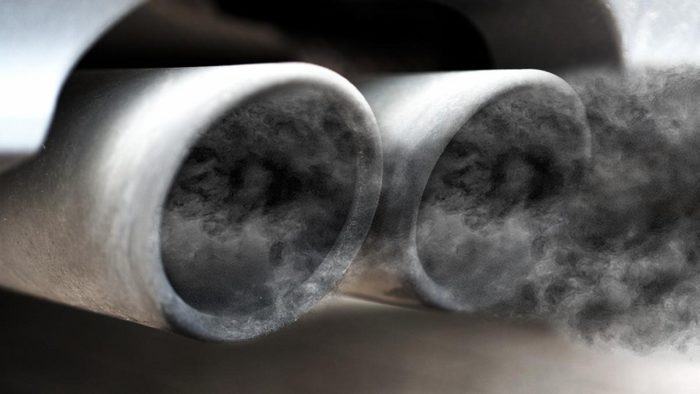
Likewise, and according to the main manufacturers, driving with catalytic converters (highly in demand by friends of foreigners) or defective exhaust pipes can increase the danger of fire of the vehicle and cause suffocation and poisoning in closed places.
The catalytic converters stop covering their protective function of the environment at 80,000 km, so it does not hurt to review them from the 60,000 kilometers. To avoid damaging it, it is recommended avoid climbing on curbs and warm up the vehicle by keeping the car idling for a couple of minutes before starting off.
9. Timing belt
The timing belt synchronizes the four times of the engine, the opening and closing of the intake and exhaust valves, and the spark from the spark plug. It is very important to follow the advice of the vehicle manufacturer because, being an element that wears out, its breakage can cause a serious and expensive failure in the engine.
It is practically impossible for an average driver to detect its deterioration (you can always pay attention), so the best forecast is replace it by an average unit based on the intervals recommended by the manufacturer. And if you have to buy a new (or used) car, know the differences between a timing belt and a timing chain.
10. Environment
Some of the parts that are replaced in vehicles are considered hazardous waste and are highly polluting (in addition to being considered a crime). Vehicle repair and maintenance workshops comply with strict regulations for the correct recovery and recycling of waste. If you change any component, go to the clean point closest. And if you plan to retire your car, do it responsibly.
[NOTA: Artículo publicado originalmente el 20/05/2012. El 23/05/2012 subimos el archivo en pdf con los consejos de mantenimiento de Asetra, por si alguien quiere imprimirse estos consejos. Y el 26/12/2019 actualizamos el texto]

