

2 photos
 Ruben Fidalgo
October 25, 2022
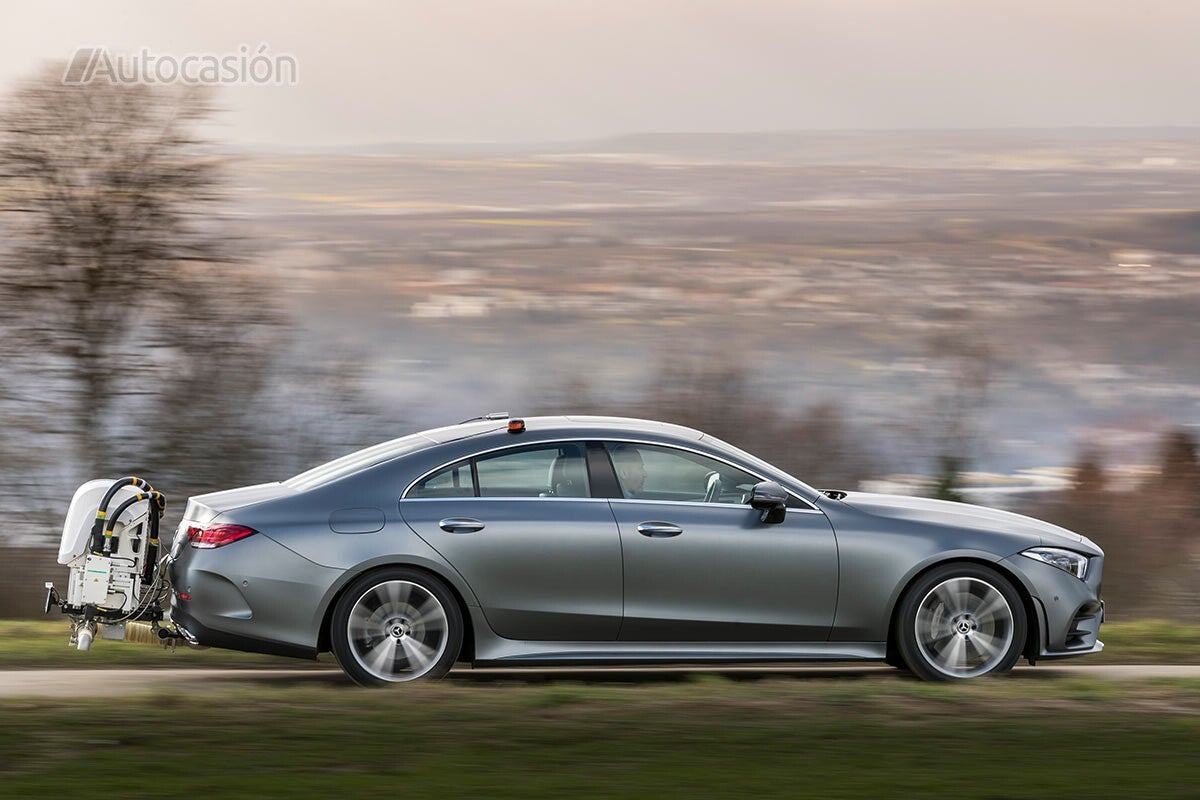
The European authorities could lower the severity in emission limits that will be imposed by the entry into force in 2026 of the Euro7 regulations. This measure favors most car manufacturers.
On November 9, the final document must be made public that will set the limits and the penalties for exceeding them in the emissions of vehicles of the Euro7 regulation, which should come into force from 2026. Until now, this regulation was expected to be very severe in terms of CO2 emissions and pollutants of vehicles with combustion engines, but in recent months rumors have emerged suggesting that a new, more lax text could be on the table and that it will leave more room for manufacturers.
This idea, received with optimism by the industry, collides head-on with associations and interests seeking solutions to environmental and health problemswho consider that, once again, industries and companies are protected more than citizens and their health.
Why is Europe considering softening Euro7?
The imposition of very low limits in the new Euro7 implies a huge economic and technological effort for the industry automotive in a delicate and unstable economic moment worldwide. Furthermore, we cannot lose sight of the fact that in 2035 all this development will no longer be of any use because the sale of vehicles with internal combustion engines will be prohibited. Investing billions of euros in technologies that will end up in a drawer in less than a decade does not seem to make much sense.
The price of vehicles with the entry into force of a very severe Euro7 would skyrocket due to the technologies required to comply with the standard (as has already happened with the need to incorporate the AdBlue) at a difficult economic time. This would mean that many citizens would not be able to access a new vehicle, so the rule would not fulfill its task either by putting few vehicles in circulation with emissions reduced so drastically. In the global computation, it may be more effective to be able to sell more cars with technologies that are somewhat cleaner than the current and more efficient ones, than to demand much cleaner ones, but also more expensive and that hardly have an impact on the mobile fleet. .
In any case, we will have to wait a couple of weeks to find out the final wording of Euro7, which will come into force in a few years and will be the last regulation before the disappearance of combustion engines in cars.

