

Sustainability is the buzzword in the motor world. It is almost mandatory that cars emit less throughout their production process. In fact, regulations are tightening around them and (much to our regret) we have an expiration date for some technologies, such as combustion engines. It also applies to the materials from which vehicles are made, which tend to be recycled and more environmentally friendly. Just look at the latest from Callum.
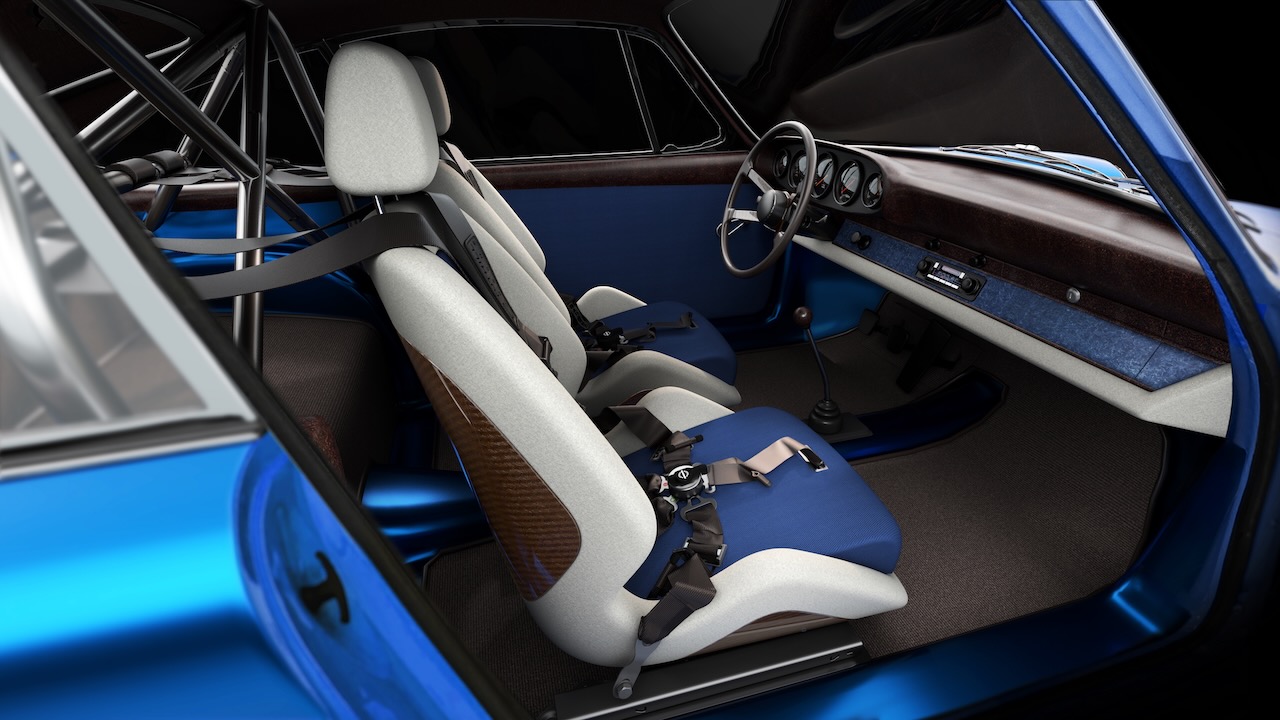
The company founded by the legendary British designer, Ian Callumin addition to doing amazing things like the Aston Martin Vanquish 25 or the Callum Lounge Chair, He also dares with the interiors. In this case, they have used that of a retromod Porsche 911 to investigate different sustainable materials and how their application could be in different areas of the passenger compartment. The result is quite surprising, since coffee waste, egg shells, nuts, rice or lentils can be found among the materials used.
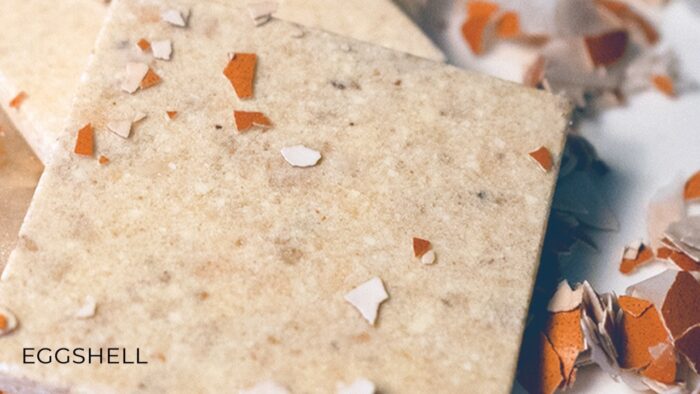
They are studying its feasibility for the next decade, worrying about the growing food waste problem. Thousands of tons of food are thrown away unceremoniously every day, and Callum thinks it could be used to replace existing plastics in interiors. For example, the eggshells mixed with resin They result in a smooth, opaque material with a glossy or matt surface that can be used for door frames. Even if walnut shells are added to the formula, the percentage of recycled material rises from 78 to 84%.
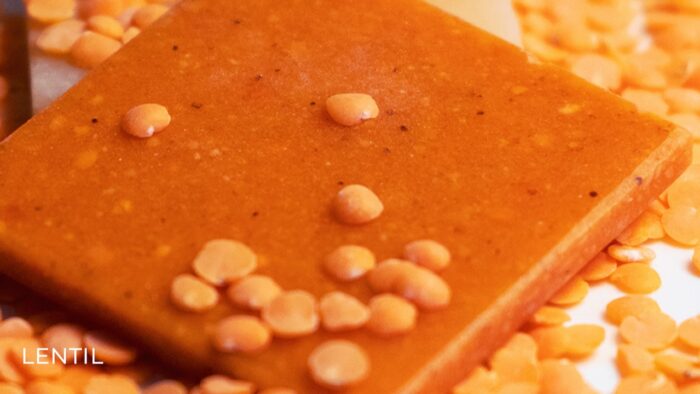
If we talk about rice or lentils expired, a smooth translucent material can be obtained that is ideal for lighted areas of the car. It’s even been said that coffee pulp could replace traditional plastics with shiny decorative trim – would that be the end of Piano Black? There was also talk of colors, because you don’t want to give up bright colors like purple, which could be obtained with purple carrot pulp, or the natural tones of wood, replicable with tree leaves.
It also worries the waste of clothes worldwide, estimated at 62 million tons per year. Considering that 87% of textile fiber is thrown away or incinerated, Callum believes it could be harnessed in car interiors. A crushing and pressing process with other materials such as potato or corn starch is enough to create a hard material that can be used on seats or dashboards. And of course, plastics they must have a second life and are fully recyclable.
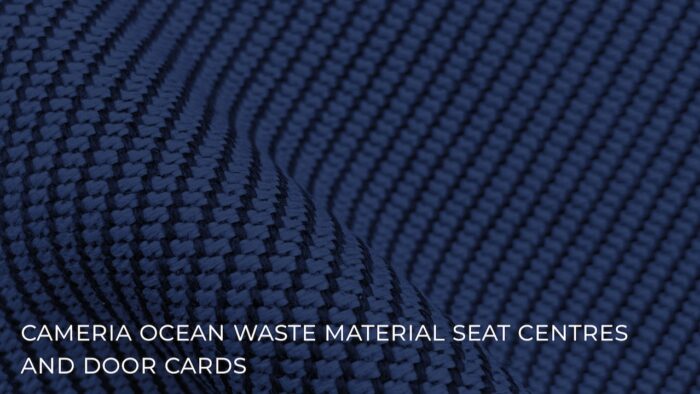
For the upholstery, he proposes textile materials such as Camira, which comes from marine plastic waste, Féline (from PET bottles) or Econyl (from nylon or fishing nets). The good thing is that they do not add any weight to the interior and their properties are very usable. In Callum they believe their application in production cars by 2030 and will continue to investigate the feasibility of these sustainable materials.
Photo gallery:
 1/9Photos
