

 CDA
July 07, 2023
A survey of car buyers is conclusive: they do not trust autonomous driving and they do trust ADAS systems:
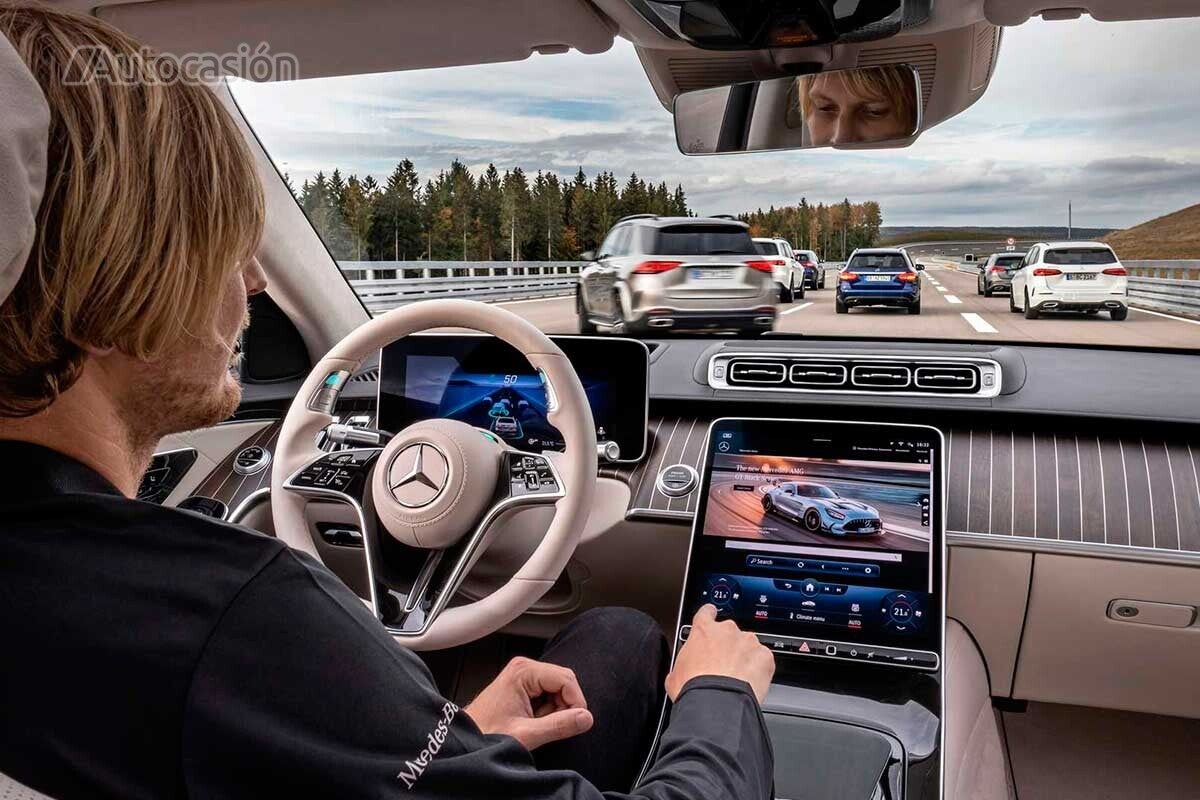
Autonomous driving is one of the elements that is being worked on within the automotive industry. Technically it is very developed, but the main problem he faces is legislation of different governments globally.
In line with this, What do drivers think about this type of technology? A survey of 8,000 car buyers around the world by consultancy S&P Global Mobility has revealed that motorists still do not trust “semi-autonomous driving features”, while “automated safety features” are gaining favor. .
We still don’t trust autonomous driving
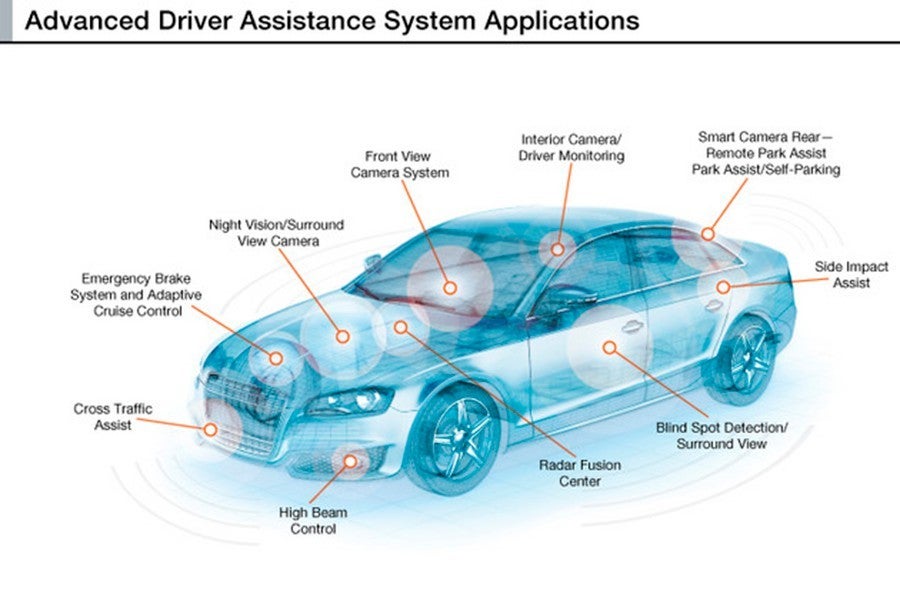
ADAS stands for Advanced Driver Assistance Systems.
Respondents support that ADAS systems (Advanced Driving Assistance Systems), a series of technological solutions that are integrated into vehicles to improve the safety of both drivers and passengers as well as other road occupants, including pedestrians and cyclists, are standard on luxury and mid-range vehicles, but are reluctant to use “autonomous driving systems”.
Respondents were asked to choose a series of automated security features. Most ADAS features were desired by 80 percent of respondentswhile “only” 61 percent showed an interest in “autonomous driving”, this characteristic being the least chosen of the survey.
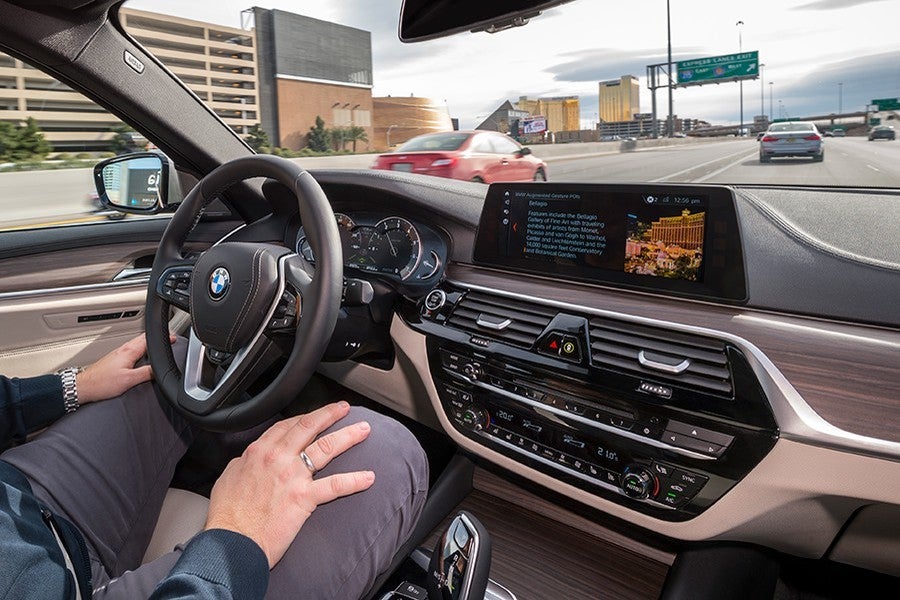
Autonomous driving is a reality that will revolutionize the automotive world.
The most desired ADAS features were the blind spot warningthe forward collision warning system and cameras in the rear-view mirrors, automatic emergency braking and night vision.
According to the survey, drivers prefer automated driving functions in which the driver maintains more control over the vehicle. 69 percent of consumers wanted Level 2 systems, which take over some driving tasks under the driver’s supervision, while 65 percent wanted Level 2+, which adds hands-free automated highway driving.
It may interest you: 8 mandatory ADAS in cars from July 2022
Only 53 percent of consumers believed that an “autonomous” car would drive more efficiently than a “normal” car and only 48 percent believe it is safer than a normal one.
According to Yanina Mills, a senior technical research analyst at S&P Global Mobility, these results are justified because consumer experience with autonomous driving is very lowwhich inhibits its desirability.

