

2 photos
 CDA
CDA
January 18, 2023
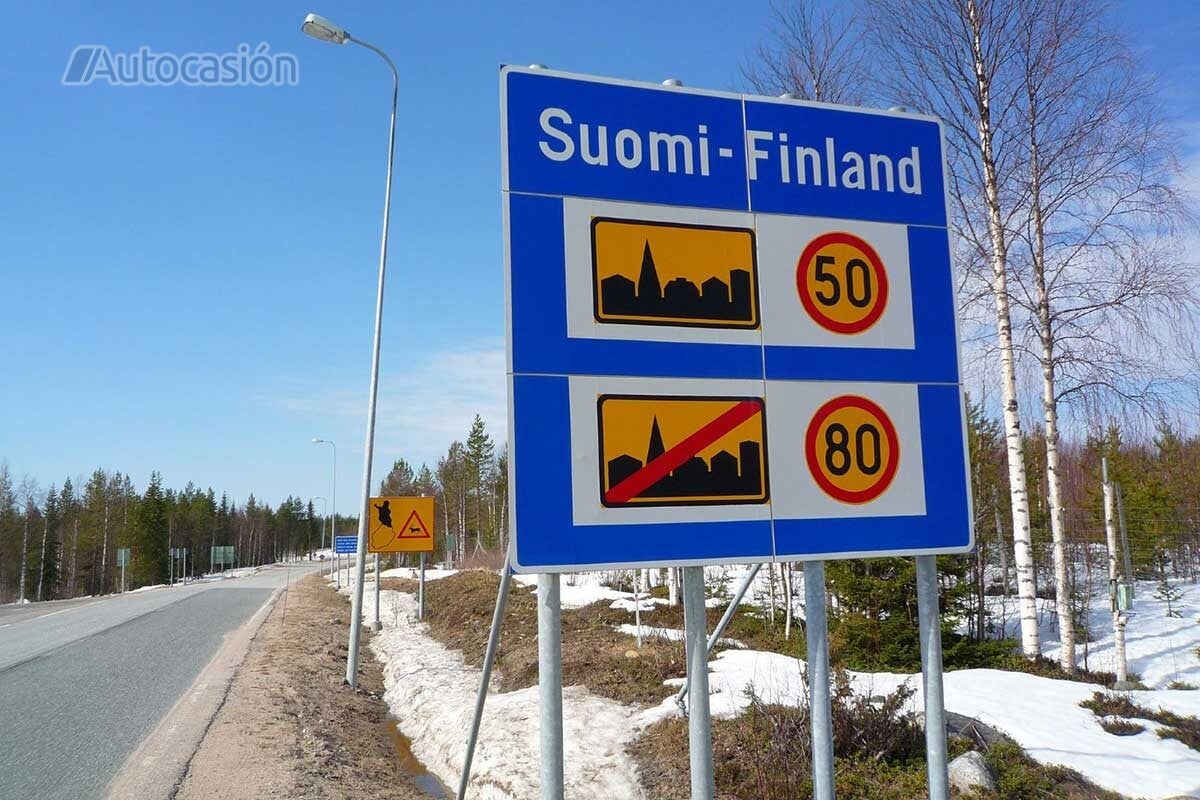
Do you agree that the fines are paid based on the income of the offenders? In Finland they do it like this.
Traffic fines in Spain, as you well know (and if you don’t know, it’s because you haven’t had to pay any, congratulations!), have a fixed amount depending on the severity of the same.
Thus, for drivers, the sanctions vary, as a general rule, between 50 (with reduction for prompt payment) and 600 euros, with loss of driving license points (between 2 and 6). If we are talking about a workshop that has installed a radar inhibitor, this amount can be multiplied and reach up to 20,000 euros.
82,000 euros for speeding?

2 photos
Despite the fact that we are talking about a good amount of money, in Spain we cannot complain if we look at ourselves in the mirror of other European countries, as is the case of Finland. In the Scandinavian country the fines can be really harsh, although it all depends on your income (of course, they do not take points from the driver’s license).
And it is that, for example, the fines for speeding are not only based on the seriousness of the infraction, but also on how much you earn, reaching real fortunes (for middle-class economies) for those with high incomes.
It may interest you: 12 things you should know about radar fines
Take the example of Anssi Vanjoki, a former manager of Nokia, who a few years ago was caught driving at 75 km/h on a 50 km/h road. received a fine of nothing more and nothing less than almost 82,000 euros (in Spain it would be penalized with 300 euros and the loss of 2 points on the driver’s license).
This sanction was considered the most expensive speeding ticket in the history of Finland and it is that at that time, Vanjoki He earned 14 million euros a year. Interestingly, Finland is not the only country that calculates fines based on offense and income. In fact, the Swiss authorities do the same.
And you do you think? Although fines in Finland can be high, they are linked to income makes them “hurt” in a similar way. And it is that 300 euros can be unpleasant for someone who earns 1,500 euros a month and nothing for someone who earns 10,000 euros. The debate is served.

