

 Ruben Fidalgo
February 20, 2023
There are not a few who are considering buying a Seat Panda with more than 30 years to make it Historic and to be able to enter with it in the center of the cities with ZBE. Is it really possible to circulate freely with Historic Vehicles in Low Emission Zones?
The rumor that classic cars are getting rid of ZBE and even ITV is making many consider buying an old car to access the city center. This is not entirely true and this “pull effect” can have negative consequences, starting with a higher concentration of carbon monoxide in cities and ending with the definitive lock on the use of classic cars, not to mention the disappointment that can lead many to feel that they have wasted money buying a classic car that does not really cover their needs.
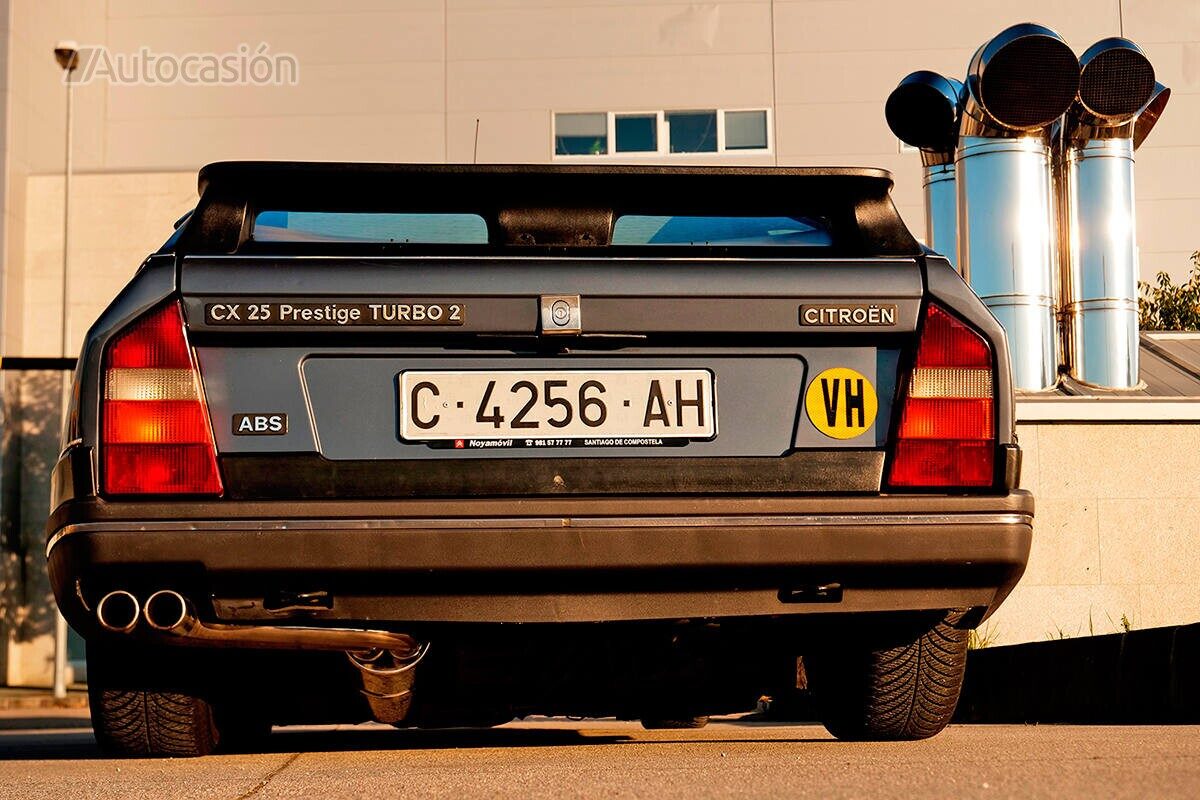
To begin with, we must know that, although all Historic Vehicles are classic, not all classics are historic. For a car to be historic, in addition to being a classic with more than 30 years old, it must meet a series of requirements that we explain in this video about VH registration. The next thing we have to be clear about is that historic cars get rid of having to pass the ITV is false. The cars that will not have to pass the ITV are those registered for the first time before January 1, 1950. The reason is that these very old cars are really used very little throughout the year. If you think that you can use such an old car daily in today’s traffic to skip the ZBE and ITV, the idea is very romantic, but unrealistic and most likely you will both end up in the workshop… the car because it is not designed for today’s traffic. More than half a century ago, traffic was much more fluid and neither the cooling systems nor the clutches of these cars are designed to withstand today’s traffic jams. The lack of comfort elements such as power steering or brake servo also makes day-to-day driving very uncomfortable.
Without going to such old and impractical cars for day to day, we can opt for a model that is at least 30 years old and that we can classify as VH, for example, one of these models that we present to you in this report of cars that turn 30 years old. Of course, any of them can circulate without problems in today’s traffic, being relatively modern cars. The problem is that nor is it entirely true that VHs can circulate without any restriction through LEZs.
Are there really no restrictions in LEZs for VHs?
1 photos
The reason why historic vehicles have been included in the exceptions to the driving limitations in LEZs is that they really its impact on pollution in cities is practically negligible. Classic cars are vehicles that are used sporadically, usually on weekends and in events such as regularity tests, rallies, parades, exhibitions… so that they are unusual on a day-to-day basis. To put it graphically, historic cars are a drop of water in a pool in the midst of daily traffic. According to statistical data, 61% of the historic vehicles registered in Spain (which are barely 47,000 in total) circulate less than 20 days a year.
Yes, looking for the legal hole, the concentration of VH in the traffic of the center of the cities skyrocketsthis reason for which the restrictions have been eliminated will be baseless, so that said privilege will be withdrawn again, but it is also that it is not even true that they can circulate without any type of restriction and there are city councils that are raising a limit of days a year in which they can circulate.
On the other hand, this partial exemption can change at any time, in fact, In cities such as Madrid, this exemption is only contemplated until January 1, 2024. In a few words, if in 2023 the use of historic cars to circulate in Madrid skyrockets, rest assured that on January 1, 2024 they will lock everyone, since the reason why FEVA has managed to leave out will have no basis. of the restrictions on HVs, the fact that they are vehicles that currently have practically no impact on the pollution of cities.

